ASUS TUF Gaming FA506NCR-HN015W RAM upgrade specifications
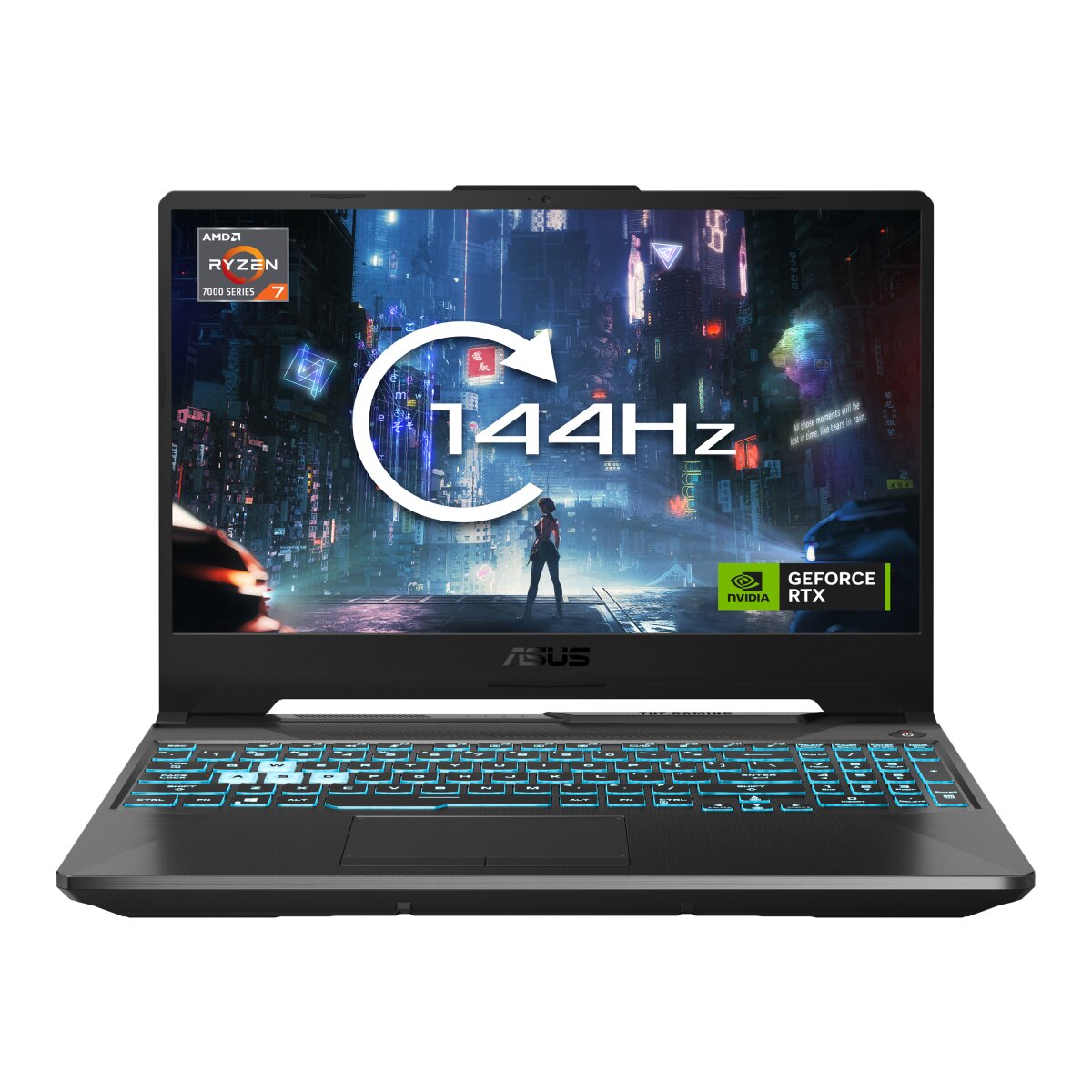
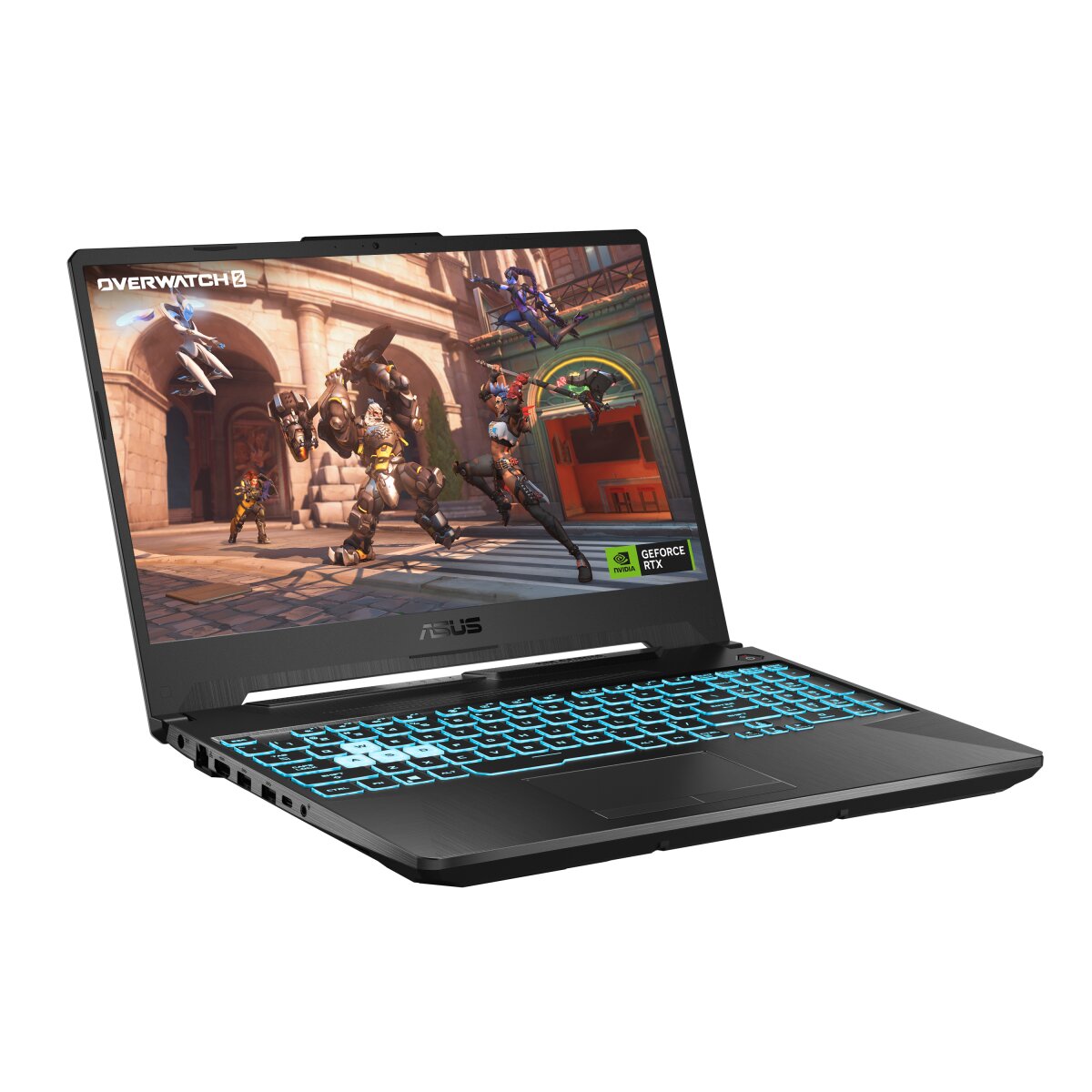
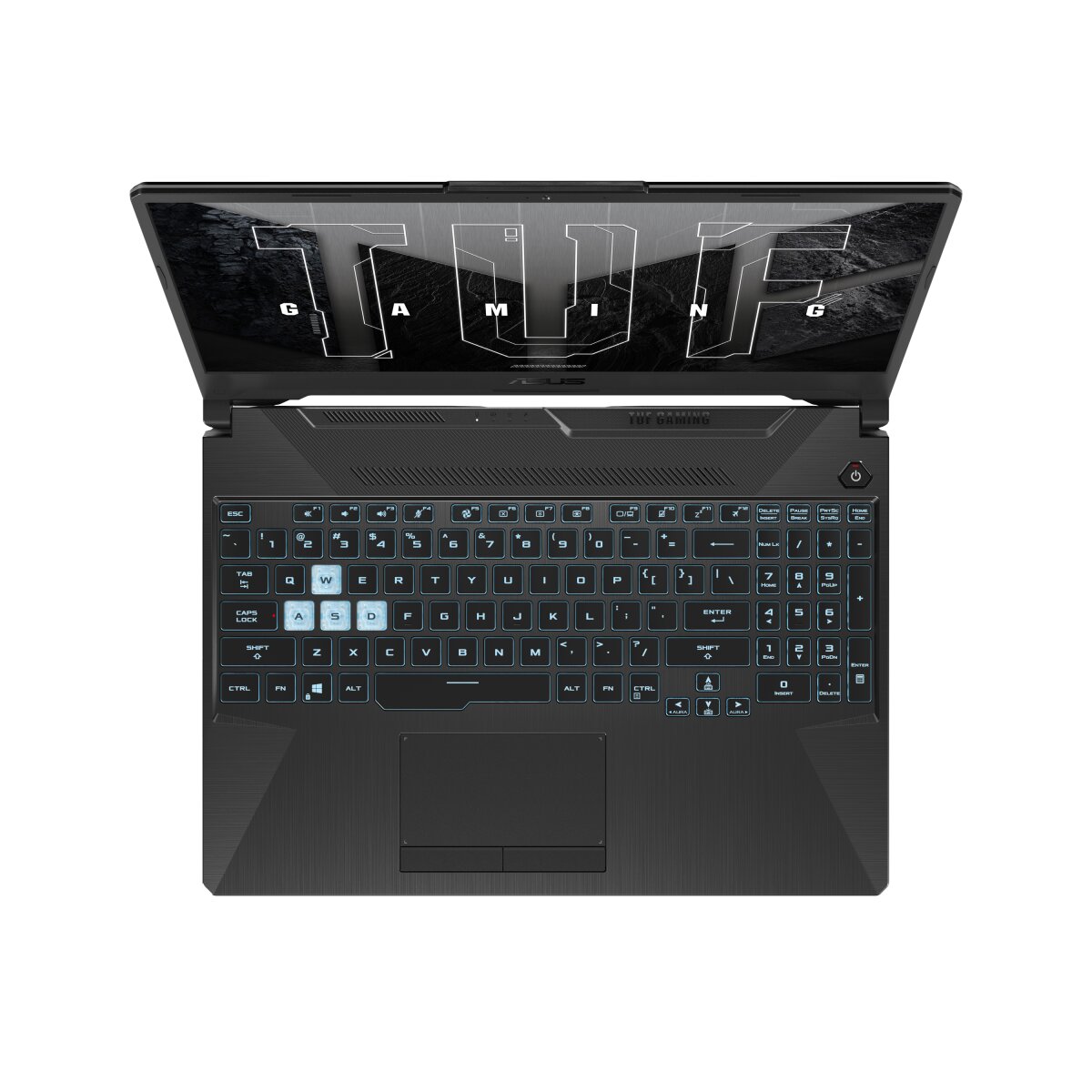
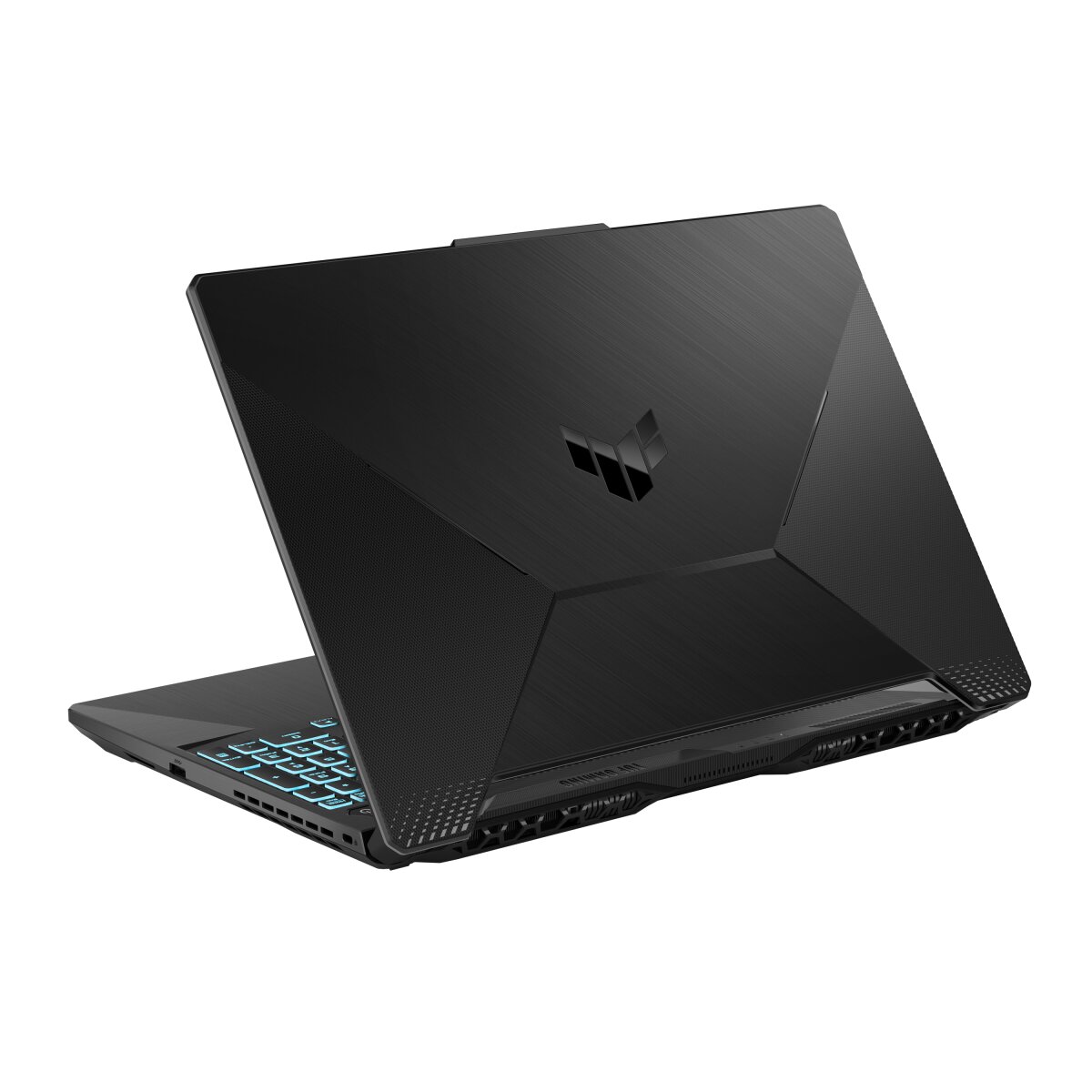
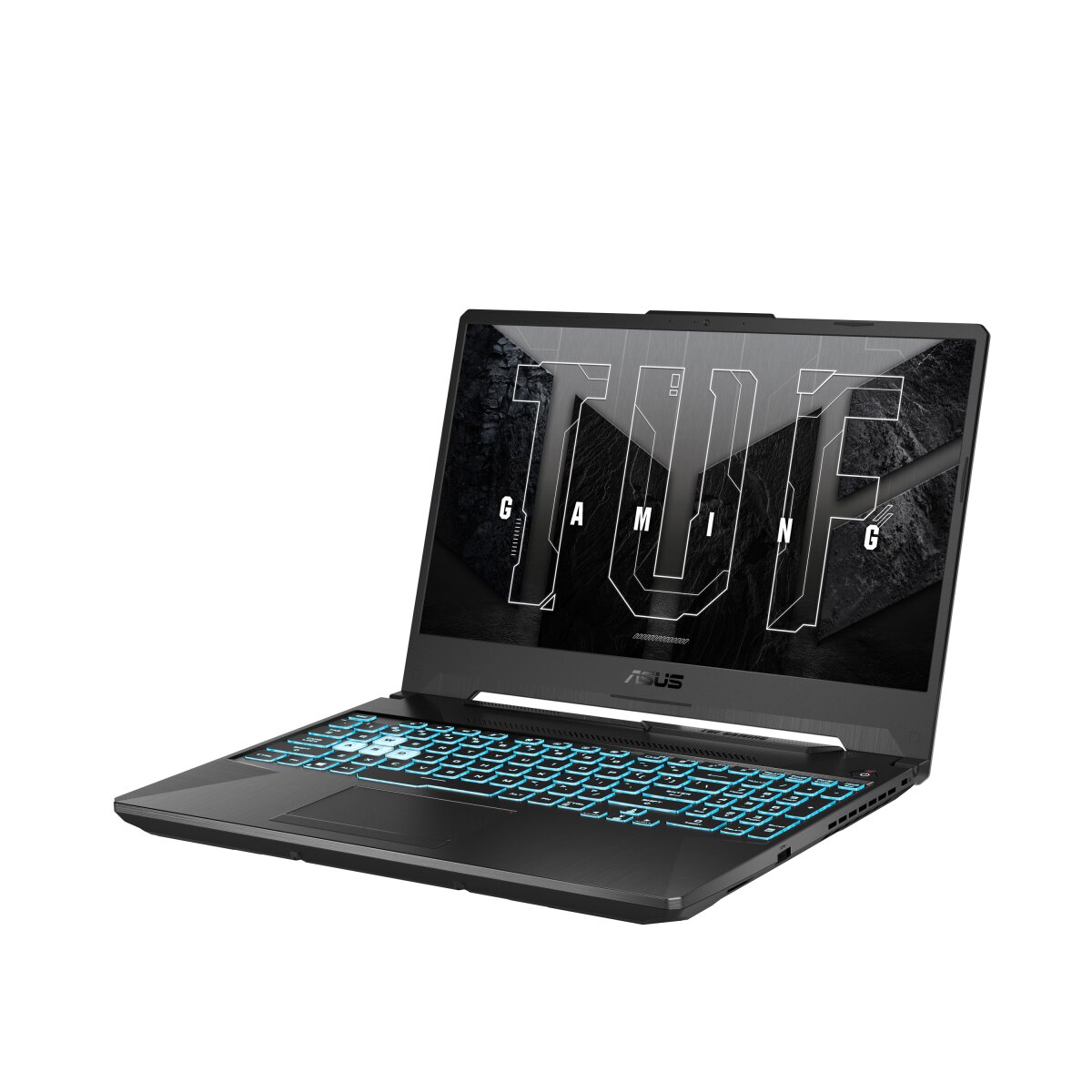
The ASUS TUF Gaming A15 FA506NCR-HN015W laptop features DDR5-SDRAM memory upgrade specifications. The system contains 2x SO-DIMM slots for RAM expansion, supporting a maximum capacity of 32 GB. The memory operates at 4800 MHz frequency. Upgrades compatible with this model must utilize SO-DIMM form factor DDR5 modules. The specifications indicate the device supports dual-channel memory configuration for enhanced performance. Maximum RAM capacity of 32 GB represents the total memory ceiling for this gaming laptop series.
Memory Upgrade Specifications
| Specification | Value |
|---|---|
| Memory slots | 2x SO-DIMM |
| Form factor | SO-DIMM |
| Memory type | DDR5-SDRAM |
| Frequency | 4800 MHz |
| Maximum RAM | 32 GB |
| Voltage | 1.1V |
| Number of pins | 262-pin |
| Interface | PC5 |
| PC Speed Rating | PC5-4800 (PC5-38400) |
| Bandwidth | 38.4 GB/s |
Additional Notes
- The ASUS TUF Gaming FA506NCR-HN015W uses laptop-class SO-DIMM slots rather than desktop DIMM slots, restricting upgrade sources to mobile-specific memory modules and eliminating desktop RAM compatibility.
- DDR5-4800 modules operate at a fixed JEDEC standard frequency; aftermarket DDR5 SO-DIMMs rated higher than 4800 MHz will downclock to this specification, making premium-tier memory unnecessary for compatibility purposes.
- The 2-slot configuration limits total capacity to 32 GB maximum, which constrains future scalability and eliminates the option to exceed this threshold without replacing existing modules entirely.
- Installing mismatched memory capacities (for example, 16 GB and 8 GB modules) will function but operate both modules at the speed of the slower device and reduce dual-channel bandwidth efficiency to single-channel performance on the unbalanced capacity.
- Upgrading beyond the factory-installed capacity may void thermal warranty coverage if the memory manufacturer or installer does not provide validation that heat output remains within ASUS TUF Gaming specifications.
- The SO-DIMM form factor requires manual BIOS configuration on some models to recognize capacity changes; the system will not auto-detect new memory without explicit UEFI settings adjustment.
- DDR5 modules consume measurably more power than DDR4 equivalents; each additional 8 GB module will increase system idle power draw by approximately 0.5 to 1 watt.