ASUS TUF Gaming FA507NUR-LP028W RAM upgrade specifications

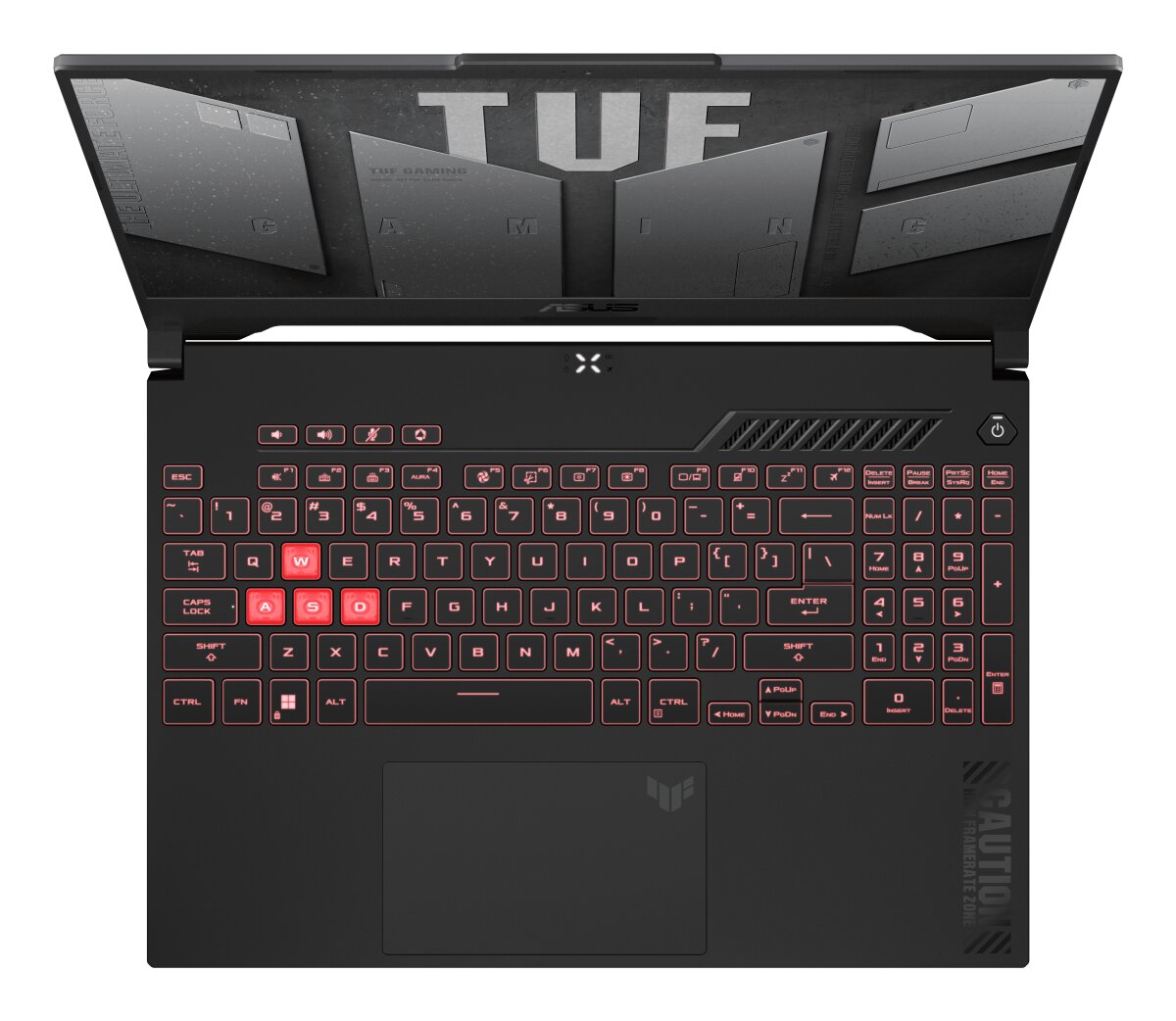



ASUS TUF Gaming A15 FA507NUR-LP028W laptop features DDR5-SDRAM memory upgrade capability. The system contains two SO-DIMM slots supporting maximum RAM capacity of 64 GB. Compatible memory operates at 4800 MHz frequency. Specifications indicate DDR5 technology with SO-DIMM form factor for this gaming laptop model. Upgrade options allow users to expand memory from factory configuration to maximum supported capacity of 64 GB total.
Memory Upgrade Specifications
| Specification | Value |
|---|---|
| Memory slots | 2x SO-DIMM |
| Form factor | SO-DIMM |
| Memory type | DDR5-SDRAM |
| Frequency | 4800 MHz |
| Maximum RAM | 64 GB |
| Voltage | 1.1V |
| Number of pins | 262-pin |
| Interface | PC5 |
| PC Speed Rating | PC5-4800 (PC5-38400) |
| Bandwidth | 38.4 GB/s |
Additional Notes
- The ASUS TUF Gaming FA507NUR-LP028W contains 2 SO-DIMM slots operating at 4800 MHz, which establishes a hard ceiling of 64 GB total capacity regardless of individual module density.
- DDR5-4800 memory runs at native JEDEC specification, meaning third-party modules rated above this frequency will downclock to 4800 MHz unless Intel XMP profiles are manually enabled in BIOS, potentially affecting latency performance in memory-intensive workflows.
- Dual-slot architecture requires paired module installation for dual-channel operation; single-module upgrades will reduce memory bandwidth by approximately 50 percent until a second module is added, creating a significant bottleneck in gaming and content creation tasks.
- SO-DIMM form factor limits module selection to laptop-specific components; desktop DDR5 UDIMM modules are physically incompatible and cannot be adapted, restricting upgrade sources to mobile-grade inventory.
- Warranty coverage remains valid when upgrading to 64 GB using certified DDR5 SO-DIMM modules within manufacturer specifications; non-standard voltage adjustments or overclocking modifications may void thermal and stability guarantees.
- Memory controller latency on this platform typically ranges 40 to 55 nanoseconds; upgrading from lower-capacity modules to maximum density does not alter this latency characteristic, meaning performance scaling is linear with capacity addition only.