ASUS TUF Gaming FA608UH-R72B55CS2 RAM upgrade specifications
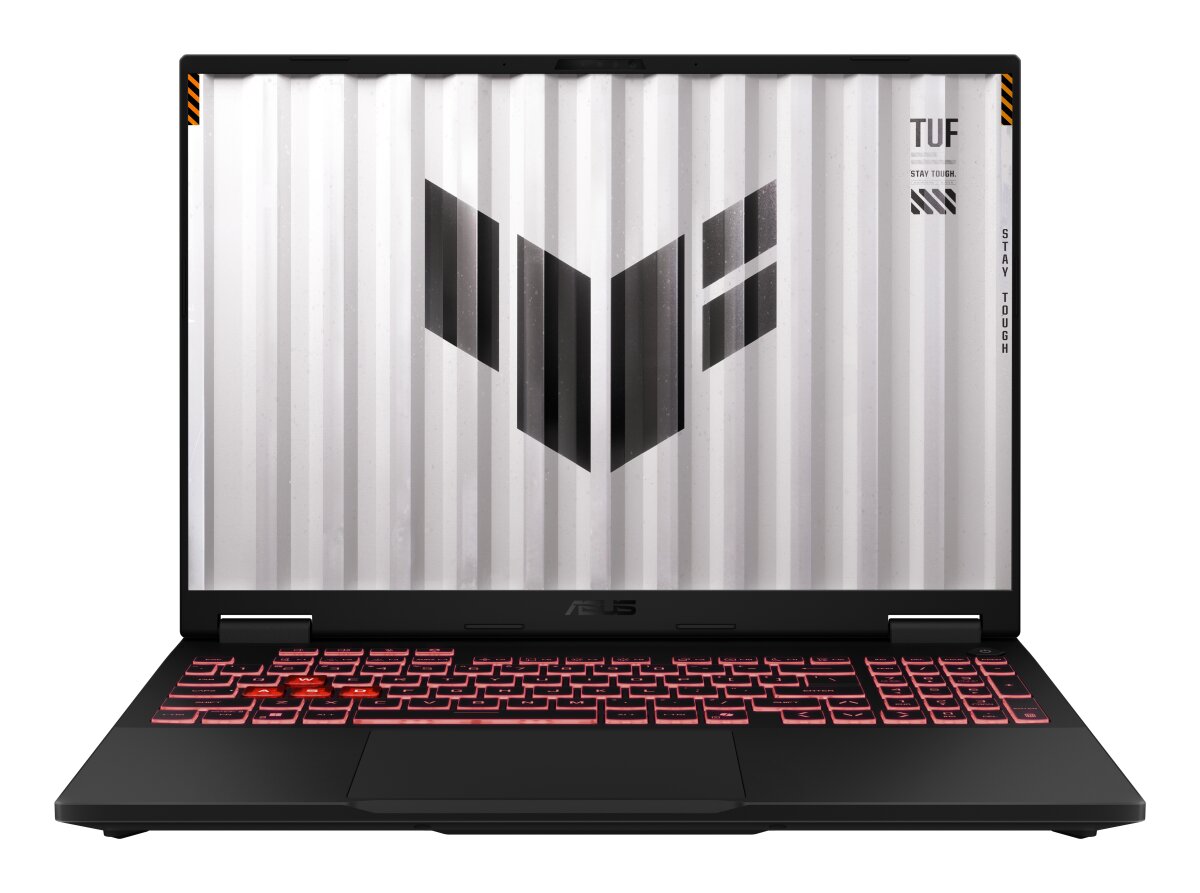

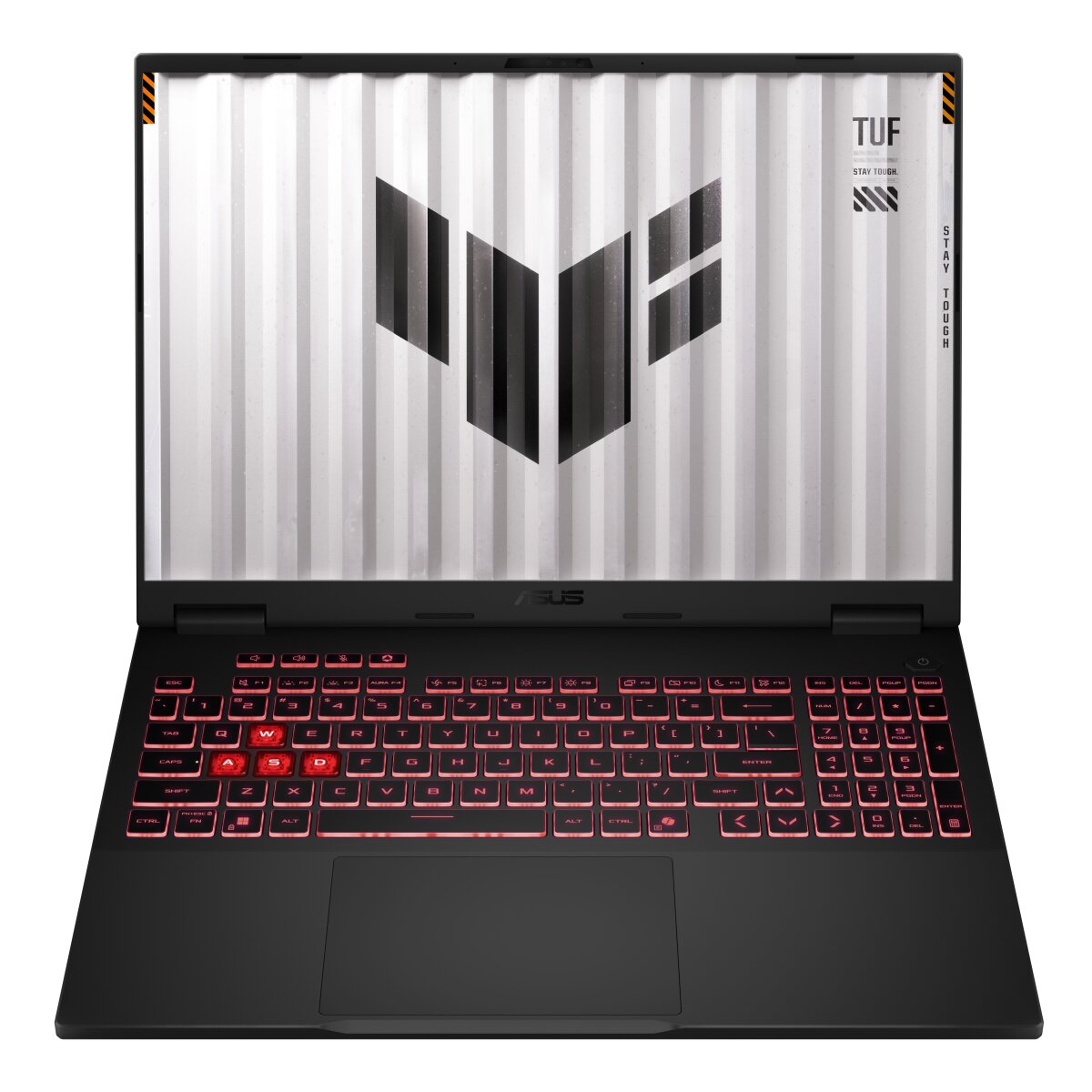
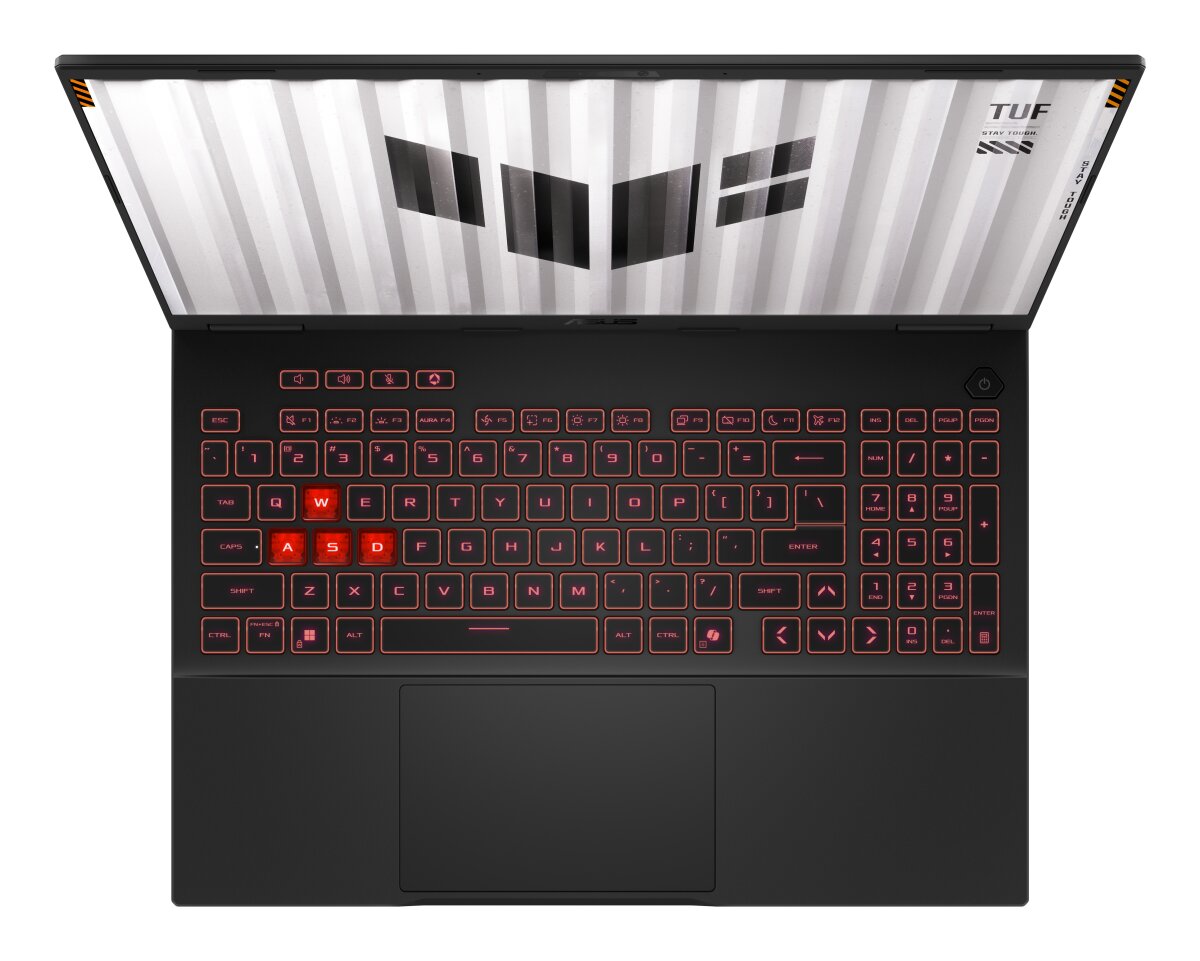
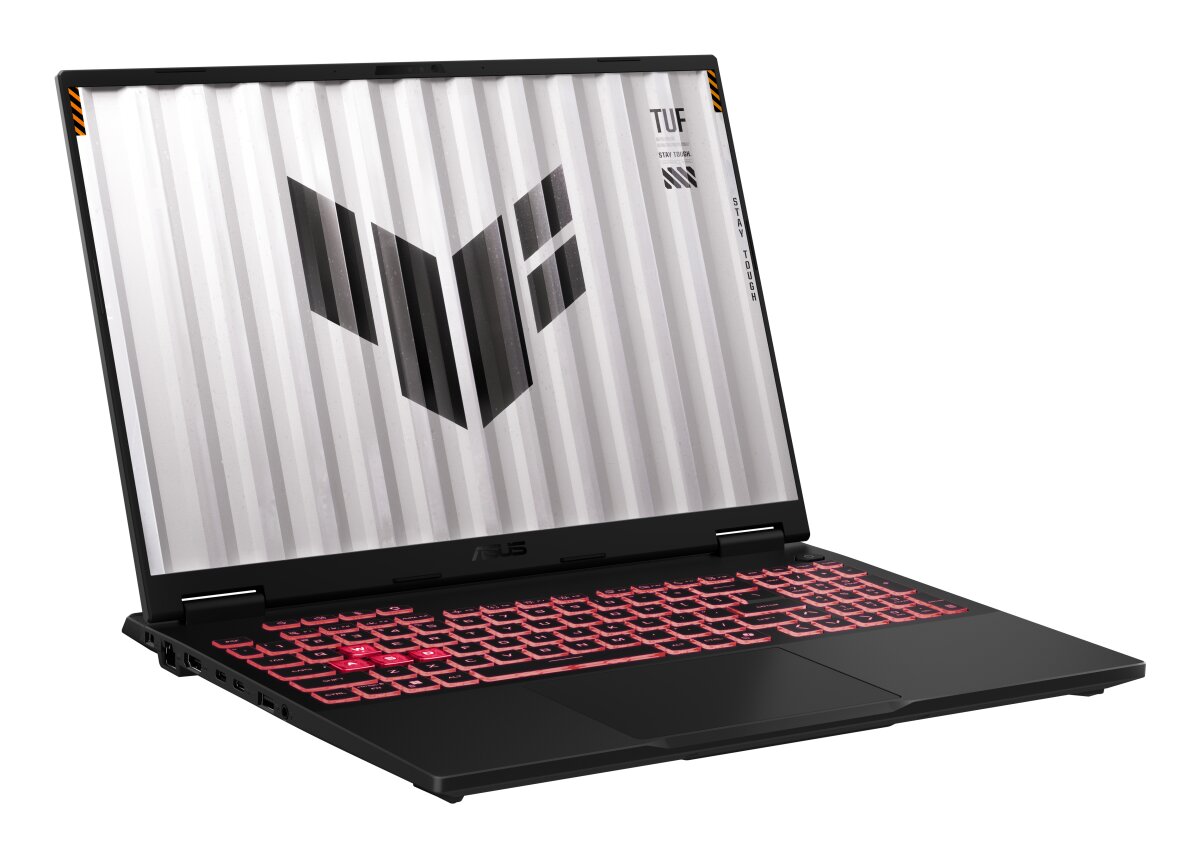
ASUS TUF Gaming A16 FA608UH-R72B55CS2 laptop features dual SO-DIMM memory slots supporting DDR5-SDRAM upgrade specifications. Maximum RAM capacity reaches 64 GB total, with compatible modules operating at 5600 MHz frequency. Upgrade slots accommodate standard SO-DIMM form factor memory modules for performance enhancement and multitasking capabilities expansion.
Memory Upgrade Specifications
| Specification | Value |
|---|---|
| Memory slots | 2x SO-DIMM |
| Form factor | SO-DIMM |
| Memory type | DDR5-SDRAM |
| Frequency | 5600 MHz |
| Maximum RAM | 64 GB |
| Voltage | 1.1V |
| Number of pins | 262-pin |
| Interface | PC5 |
| PC Speed Rating | PC5-5600 (PC5-44800) |
| Bandwidth | 44.8 GB/s |
Additional Notes
- The ASUS TUF Gaming FA608UH-R72B55CS2 requires modules specifically rated at 5600 MHz to maintain JEDEC compliance, though higher-frequency modules will typically downclock to the supported speed.
- DDR5 SO-DIMM modules operate at 1.1V nominal voltage, eliminating compatibility concerns with older DDR4 systems due to physically incompatible slot notching.
- The 64 GB ceiling translates to a maximum configuration of 2x32 GB modules, as no single SO-DIMM DDR5 module currently exceeds 32 GB density in consumer markets.
- Dual-channel architecture across both slots enables aggregate theoretical bandwidth of 89.6 GB/s when populated symmetrically, significantly impacting integrated graphics performance if present.
- SO-DIMM modules measure 67.6 mm in length compared to standard DIMM at 133.35 mm, preventing installation of desktop memory despite identical DDR5 protocol.
- Mixing modules with different CAS latencies may force the memory controller to adopt the slower timing profile across both channels, reducing effective throughput.
- Asymmetric capacity configurations such as 16 GB plus 8 GB will operate in flex mode, where only 16 GB runs dual-channel and the remaining 8 GB operates in single-channel mode.
- DDR5's on-die ECC operates transparently at the DRAM level but differs from server-grade module ECC, offering error correction without BIOS visibility or logging.
- Thermal considerations become relevant above 4800 MHz, as DDR5-5600 modules generate approximately 15-20% more heat than baseline specifications during sustained memory-intensive operations.
- The SO-DIMM form factor typically limits heat spreader height to 3-4 mm, constraining passive cooling solutions compared to desktop modules with taller fins.
- Installation requires panel removal that may involve breaking security seals, potentially affecting manufacturer warranty terms depending on regional consumer protection regulations.
- Non-binary capacity configurations such as 48 GB total require careful selection to ensure matched rank organization between the two modules for stable operation.