ASUS TUF Gaming TUF608UM-RV107W RAM upgrade specifications
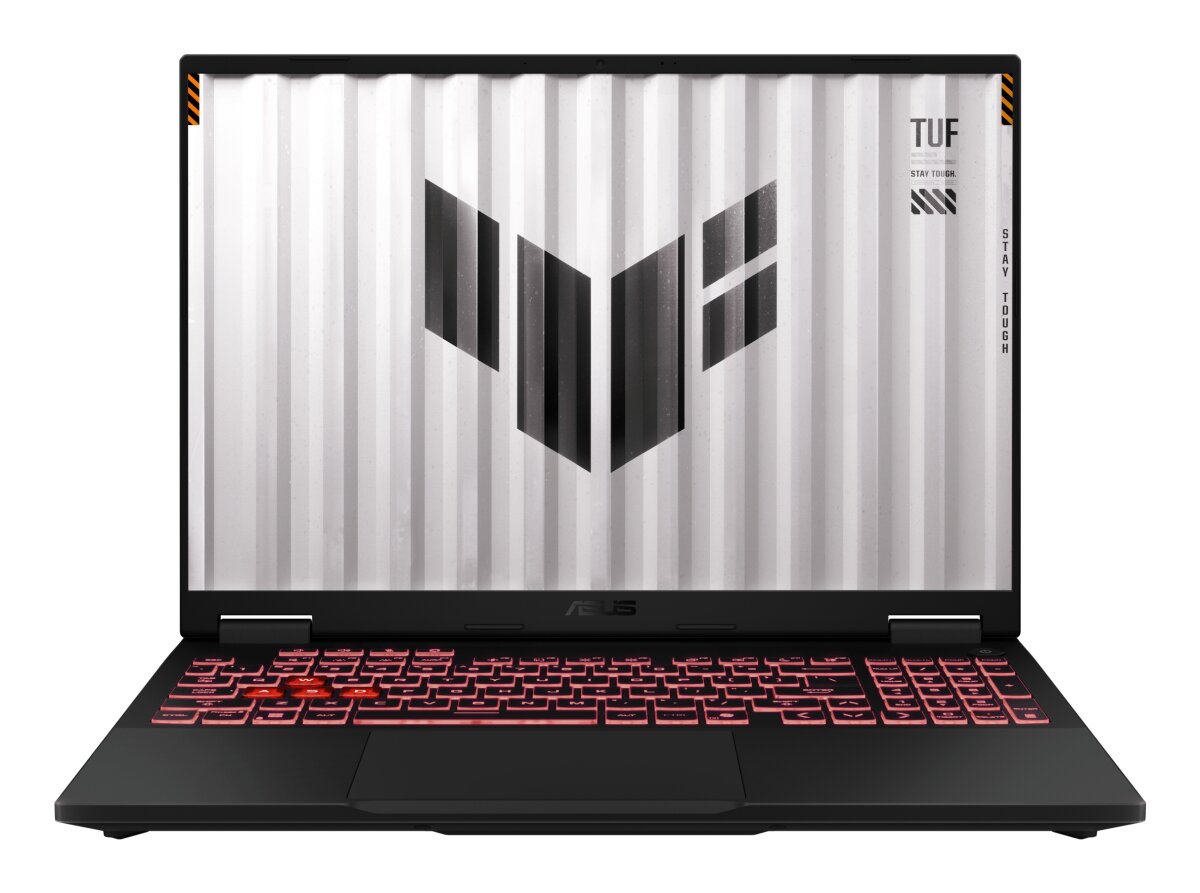
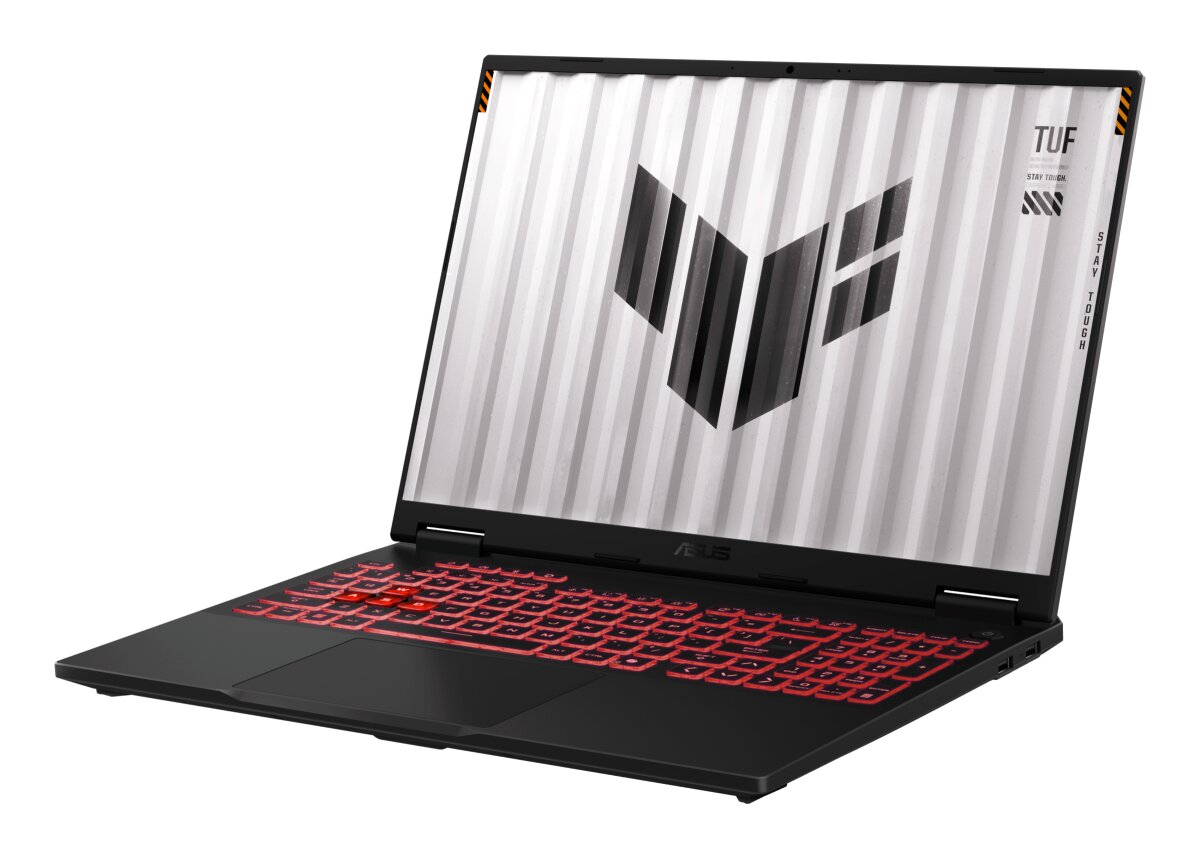
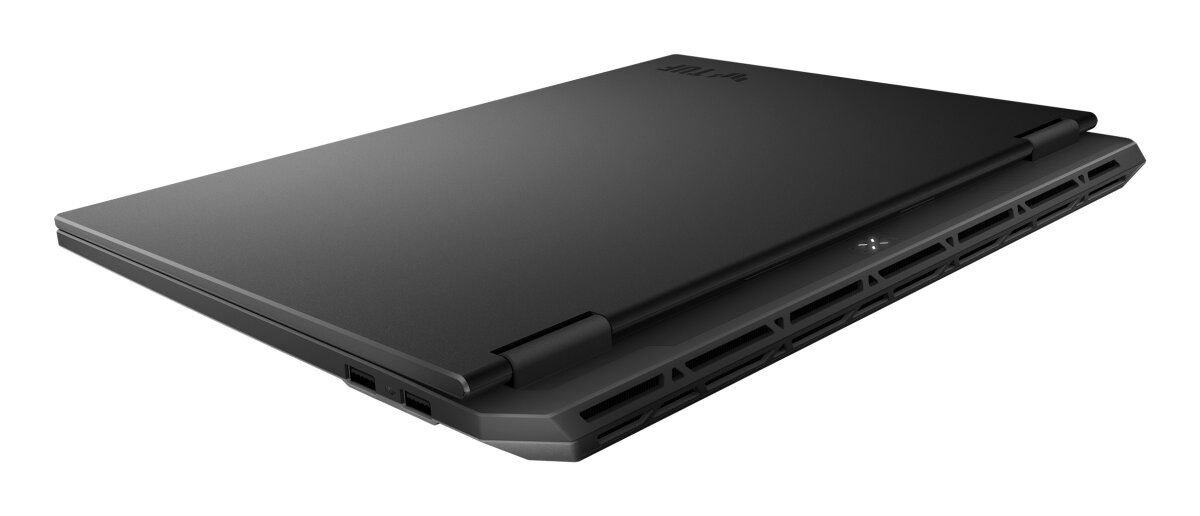
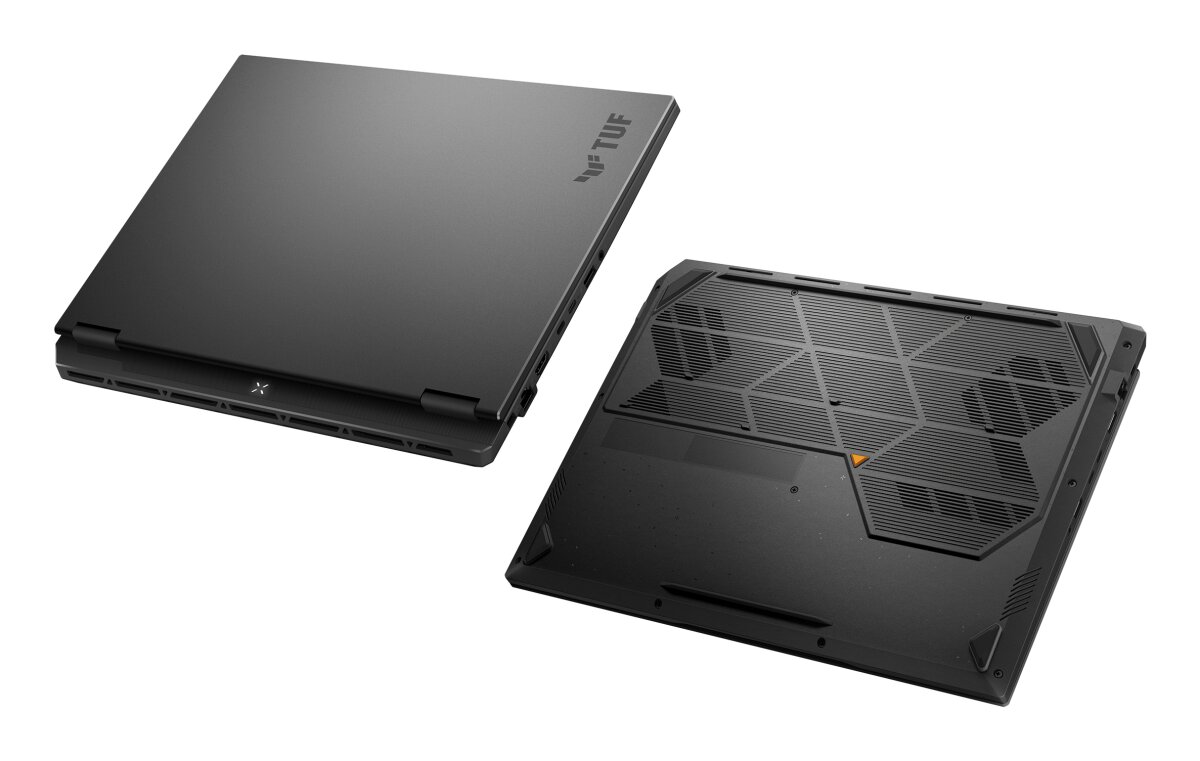
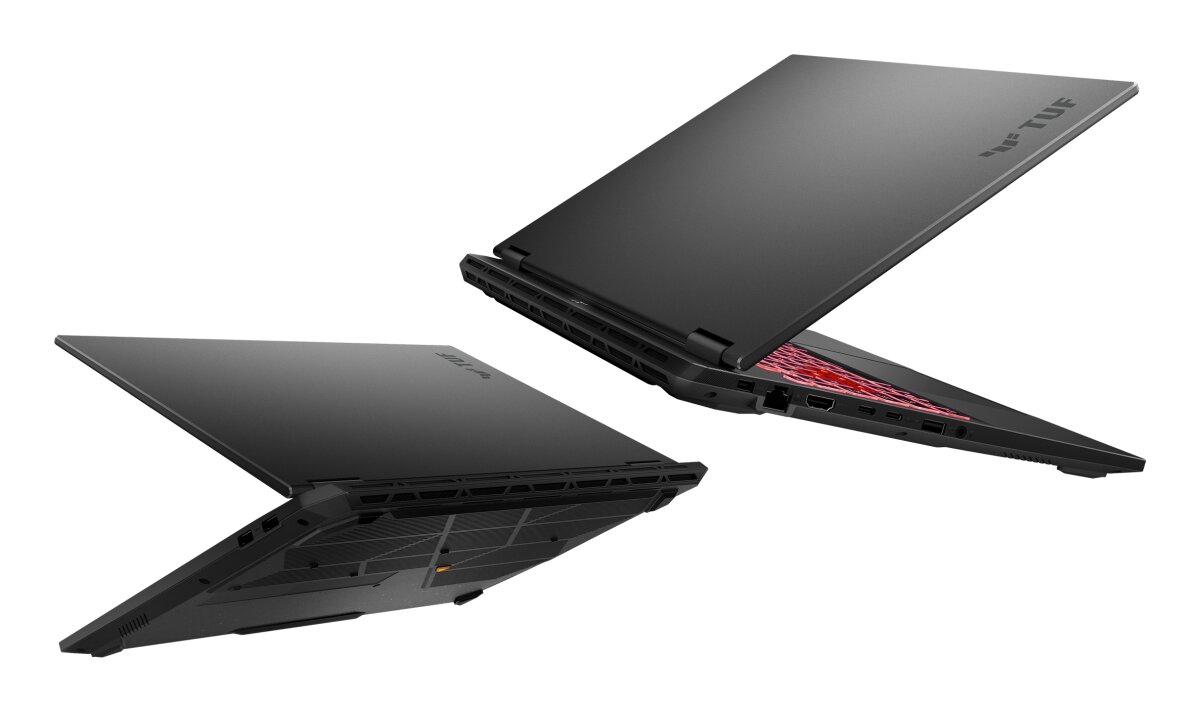
ASUS TUF Gaming A16 series model TUF608UM-RV107W features DDR5-SDRAM memory upgrade specifications. The laptop contains 2x SO-DIMM slots compatible with DDR5 modules operating at 5600 MHz frequency. Maximum supported RAM capacity reaches 64 GB total. SO-DIMM form factor memory modules are required for compatible upgrades to this TUF Gaming A16 specifications.
Memory Upgrade Specifications
| Specification | Value |
|---|---|
| Memory slots | 2x SO-DIMM |
| Form factor | SO-DIMM |
| Memory type | DDR5-SDRAM |
| Frequency | 5600 MHz |
| Maximum RAM | 64 GB |
| Voltage | 1.1V |
| Number of pins | 262-pin |
| Interface | PC5 |
| PC Speed Rating | PC5-5600 (PC5-44800) |
| Bandwidth | 44.8 GB/s |
Additional Notes
- The ASUS TUF Gaming TUF608UM-RV107W implements DDR5 technology, which operates at higher voltages during initial boot sequences compared to DDR4, potentially affecting compatibility with older power delivery circuits not designed for DDR5 specifications.
- The 5600 MHz native frequency indicates JEDEC standard timing rather than overclocked profiles, eliminating the need for XMP or EXPO configuration and reducing the risk of stability issues from unsupported memory profiles.
- Dual SO-DIMM configuration enables dual-channel memory architecture when matching modules are installed, doubling theoretical bandwidth from 44.8 GB/s per channel to 89.6 GB/s aggregate throughput.
- The 64 GB ceiling requires 32 GB modules per slot, which rely on dual-rank or single-rank high-density configurations that may introduce higher CAS latency penalties compared to lower-capacity modules.
- DDR5 SO-DIMM modules incorporate on-die ECC functionality independent of system-level error correction, providing silent bit error correction without requiring ECC-specific chipset support.
- Installing a single module will force single-channel operation, halving memory bandwidth and creating performance bottlenecks in bandwidth-sensitive applications such as integrated graphics rendering or large dataset processing.
- The SO-DIMM form factor restricts module height to approximately 30mm, preventing installation of desktop DIMM modules and limiting thermal solution options for memory cooling.
- Mixed-capacity configurations such as 16 GB plus 32 GB will operate in flex mode, where only the matched 16 GB portions run in dual-channel while the remaining 16 GB operates in single-channel mode.
- DDR5 architecture splits each module into 2 independent 32-bit channels with separate command/address buses, reducing bank conflicts but requiring motherboard firmware support for proper channel utilization.
- Mismatched frequency modules will downclock to the lowest common speed, potentially forcing 5600 MHz-capable slots to operate at 4800 MHz if slower modules are introduced during upgrades.
- Thermal considerations become relevant beyond 32 GB total capacity, as higher-density modules generate increased heat output that may require improved chassis ventilation to maintain JEDEC temperature specifications.
- Installation requires anti-static precautions and proper seating force, as DDR5 SO-DIMM notch positioning differs from DDR4 by 3mm to prevent cross-generation insertion attempts that could damage slot contacts.