ASUS TUF Gaming FA706NFR-HX008W RAM upgrade specifications
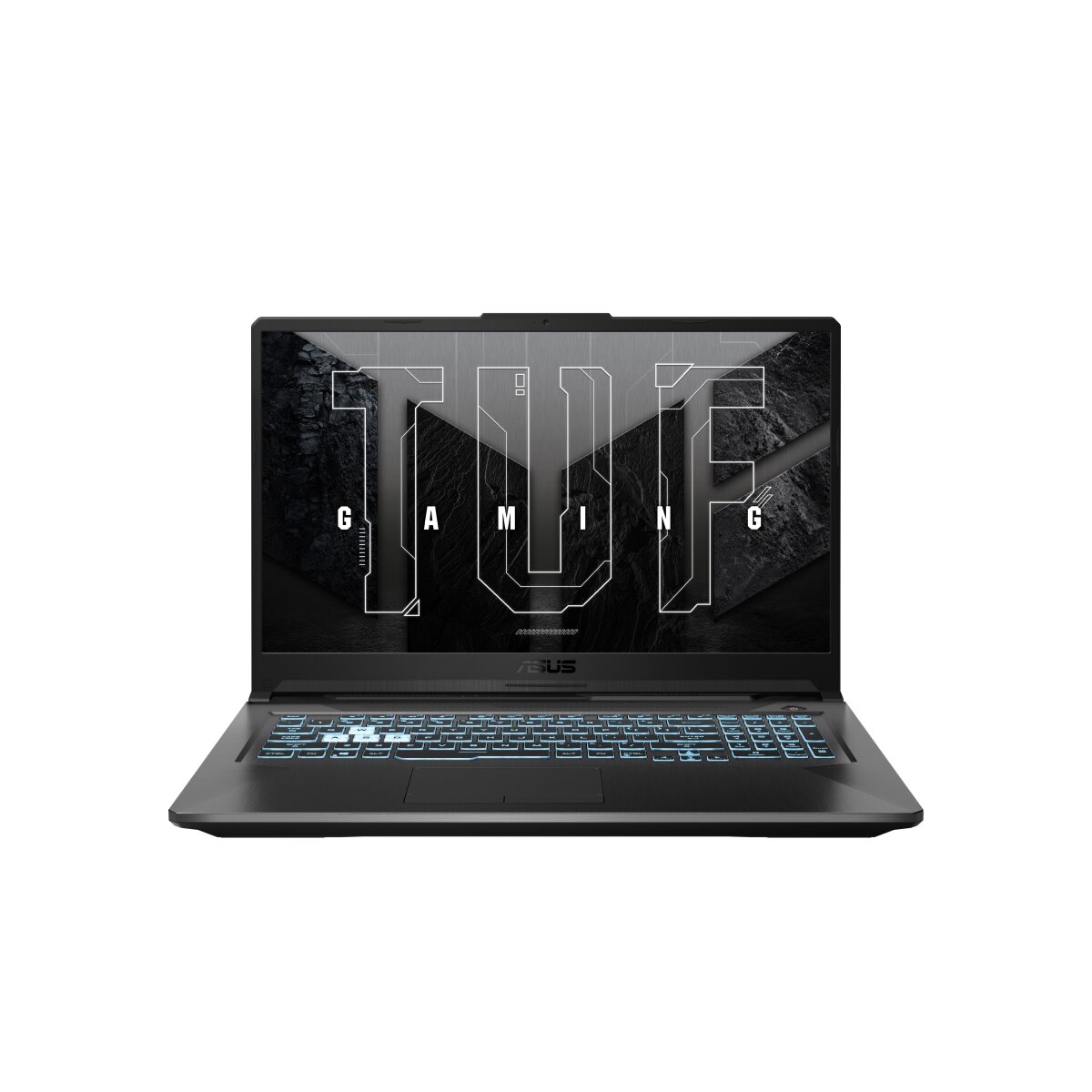
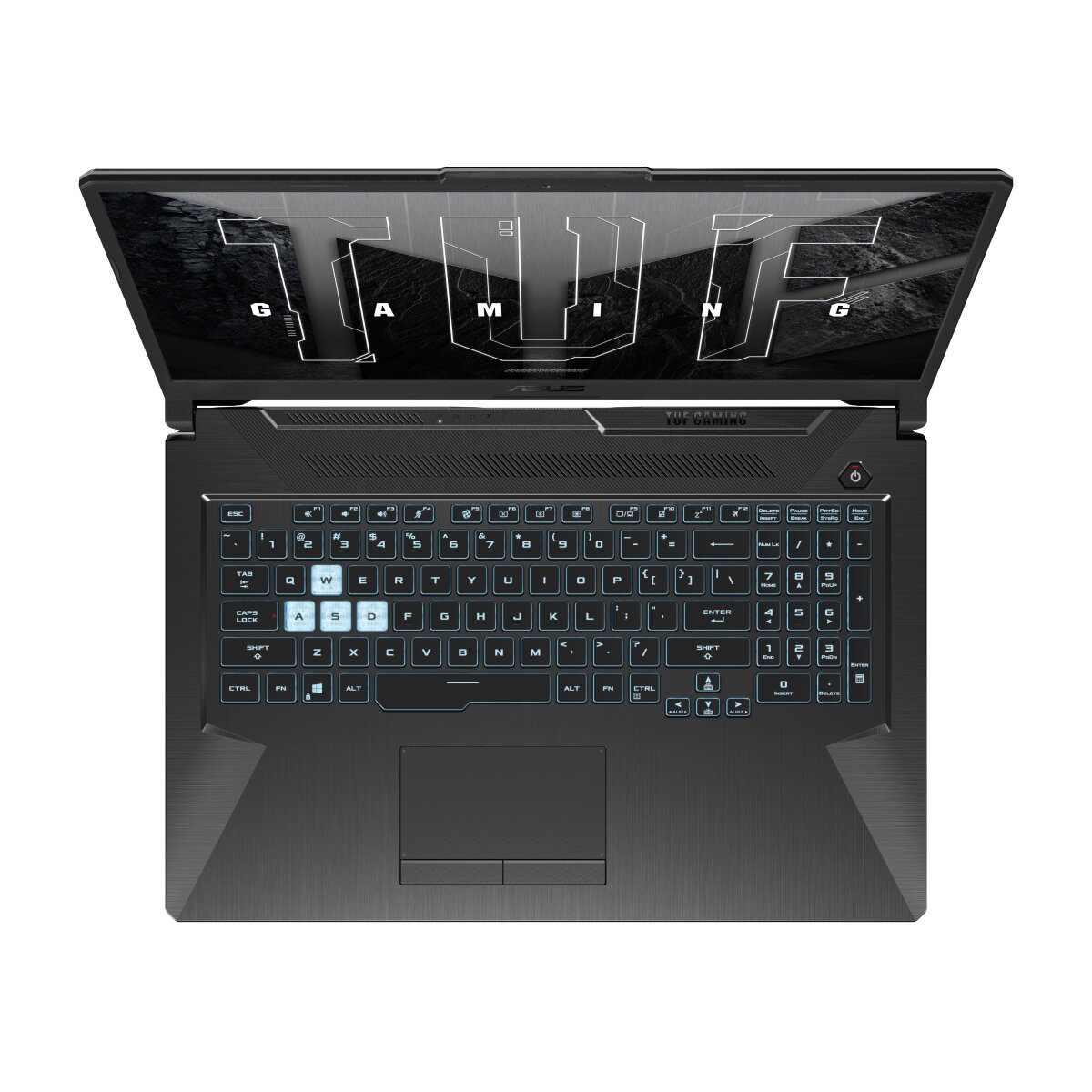


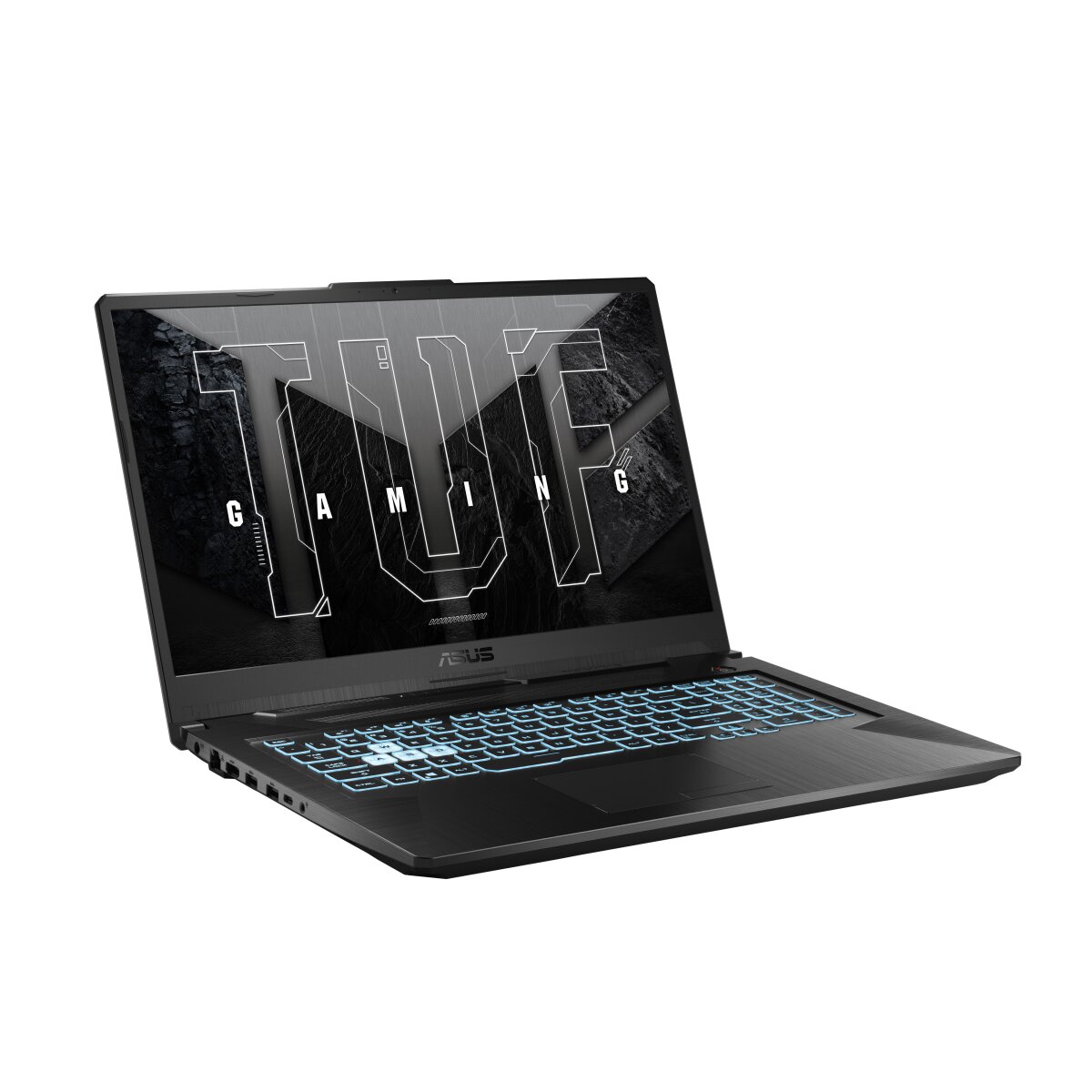
ASUS TUF Gaming A17 FA706NFR-HX008W laptop features DDR5-SDRAM memory upgrade specifications. The system contains 2x SO-DIMM slots compatible with DDR5 memory modules operating at 4800 MHz frequency. Maximum supported RAM capacity reaches 64 GB total. SO-DIMM form factor modules are required for memory upgrades on this gaming notebook model. Specifications provide framework for compatible memory expansion and upgrade options.
Memory Upgrade Specifications
| Specification | Value |
|---|---|
| Memory slots | 2x SO-DIMM |
| Form factor | SO-DIMM |
| Memory type | DDR5-SDRAM |
| Frequency | 4800 MHz |
| Maximum RAM | 64 GB |
| Voltage | 1.1V |
| Number of pins | 262-pin |
| Interface | PC5 |
| PC Speed Rating | PC5-4800 (PC5-38400) |
| Bandwidth | 38.4 GB/s |
Additional Notes
- The ASUS TUF Gaming FA706NFR-HX008W contains 2 SO-DIMM slots operating at 4800 MHz, establishing a hard ceiling of 64 GB total capacity. Configurations exceeding this limit require motherboard replacement.
- DDR5-SDRAM at 4800 MHz baseline indicates the system will reject DDR4 modules entirely due to physical key incompatibility and voltage differential (DDR5 operates at 1.1V versus DDR4 at 1.2V). Backward compatibility does not exist.
- SO-DIMM form factor restricts upgrades to laptop-grade modules exclusively. Full-size UDIMM or RDIMM sticks cannot be installed regardless of electrical compatibility.
- Dual-slot architecture means asymmetrical configurations (one 32 GB plus one 16 GB module) remain functional but operate in single-channel mode on the mismatched pair. Matched pairs enable dual-channel throughput.
- 32 GB SO-DIMM modules rated for 4800 MHz remain scarce in retail markets relative to desktop DDR5 equivalents, potentially affecting availability and cost-per-gigabyte ratios during procurement.
- Native frequency operates at 4800 MHz. Higher-frequency modules (5600 MHz, 6400 MHz) will downclock to platform specification during POST sequence unless BIOS tuning enables XMP/EXPO profiles, with stability remaining manufacturer-dependent.
- Thermal dissipation in SO-DIMM packages is limited compared to full-size DIMMs. Extended overclocking beyond 4800 MHz may elevate junction temperatures and reduce component lifespan in confined laptop chassis environments.