ASUS TUF Gaming FA707RR-HX005W RAM upgrade specifications
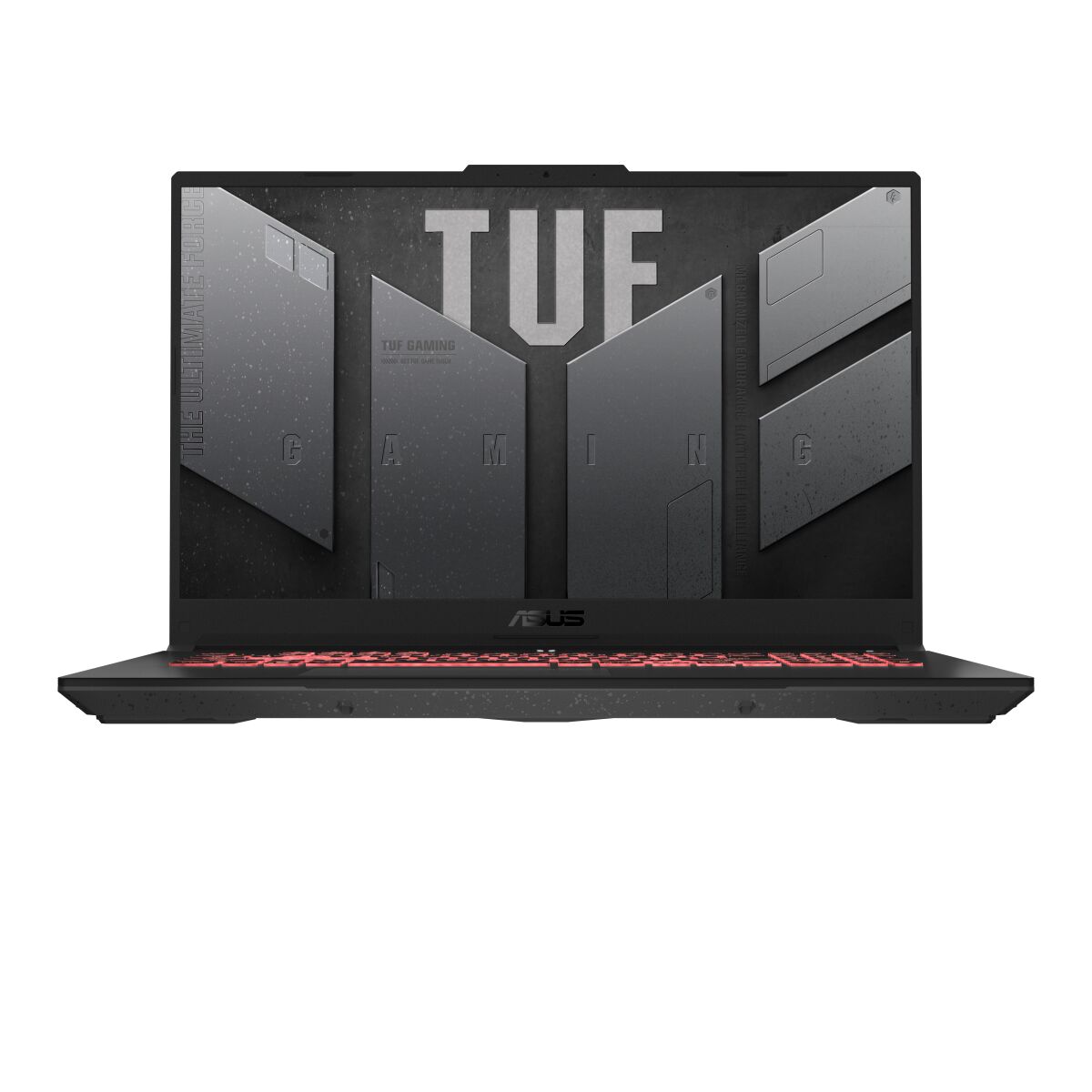
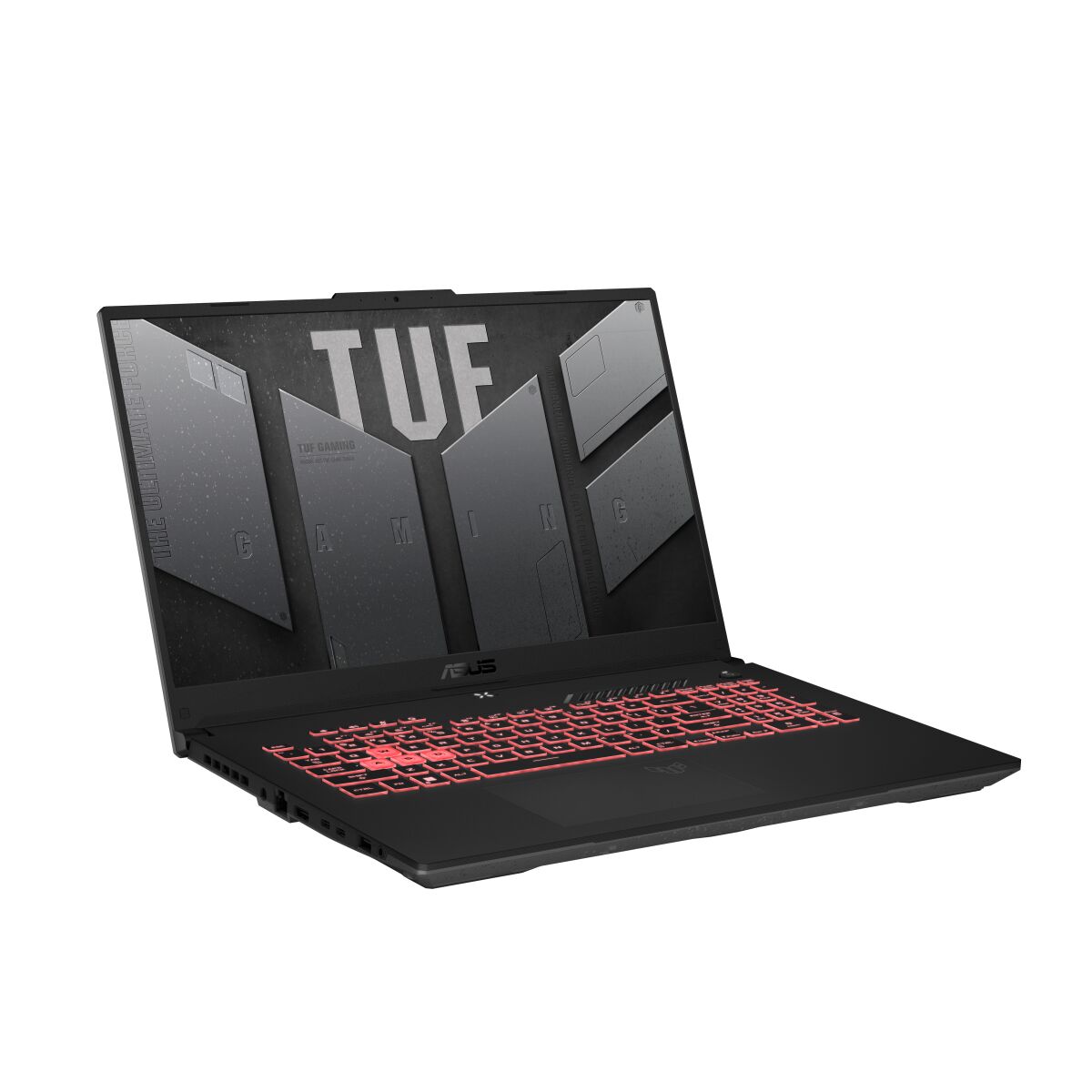
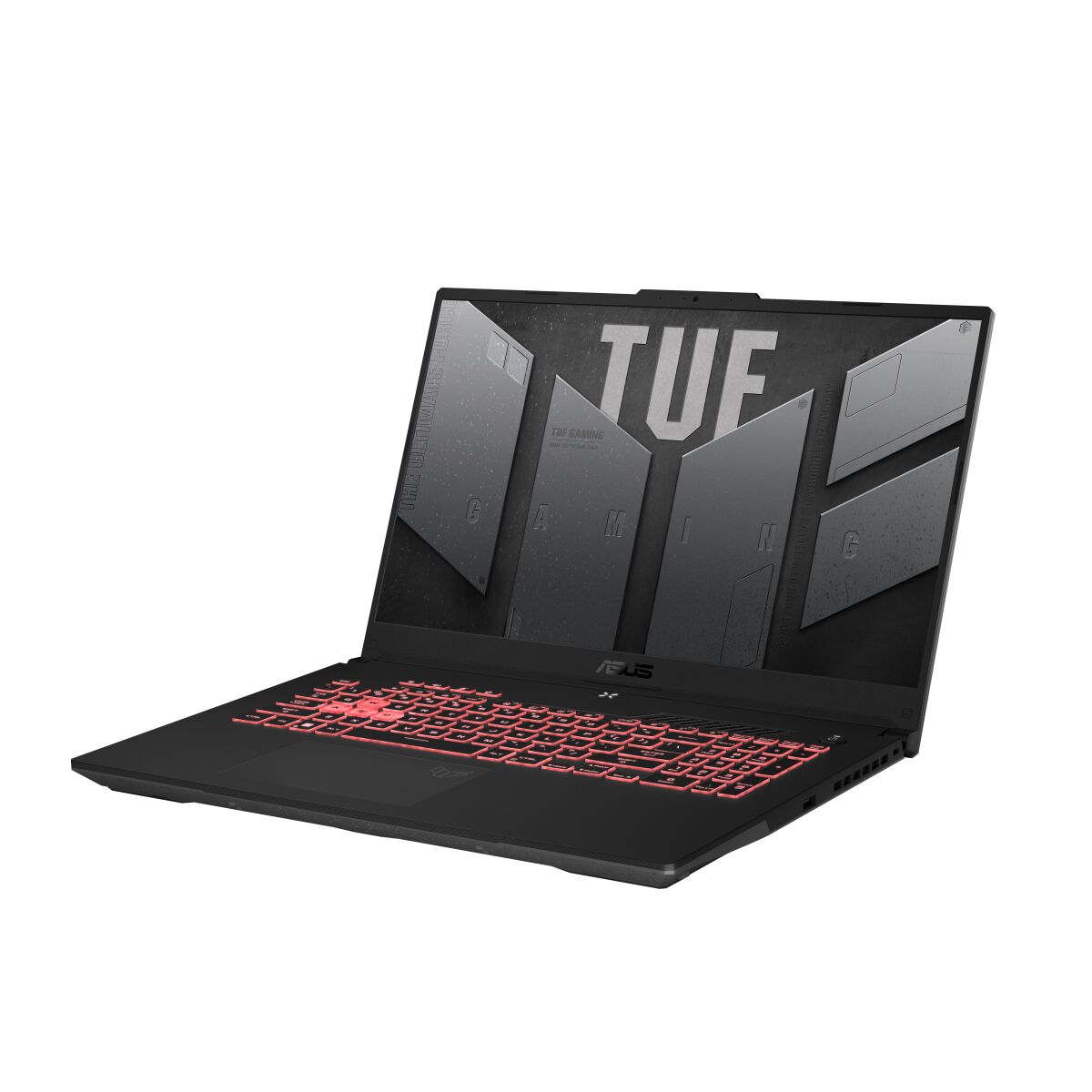
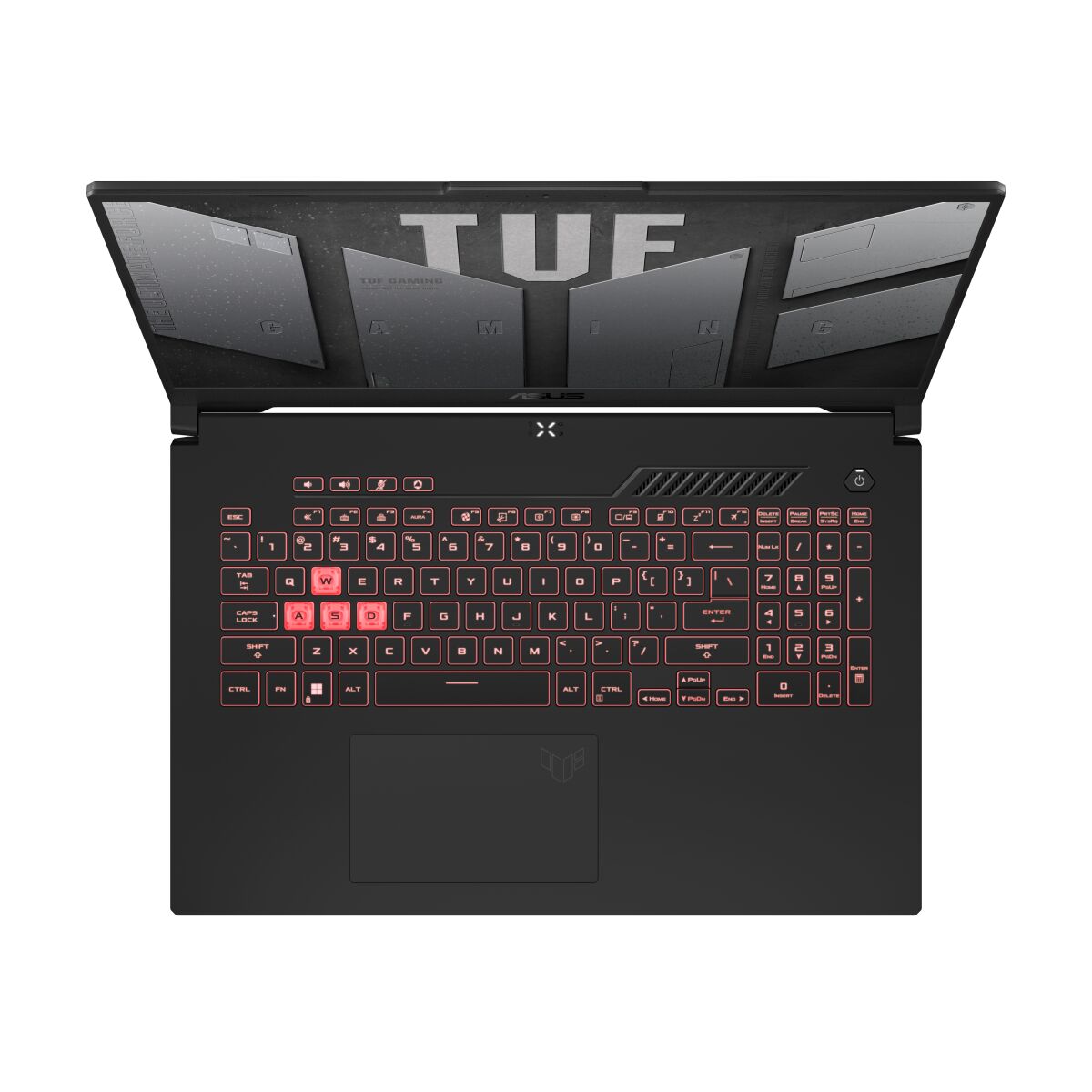
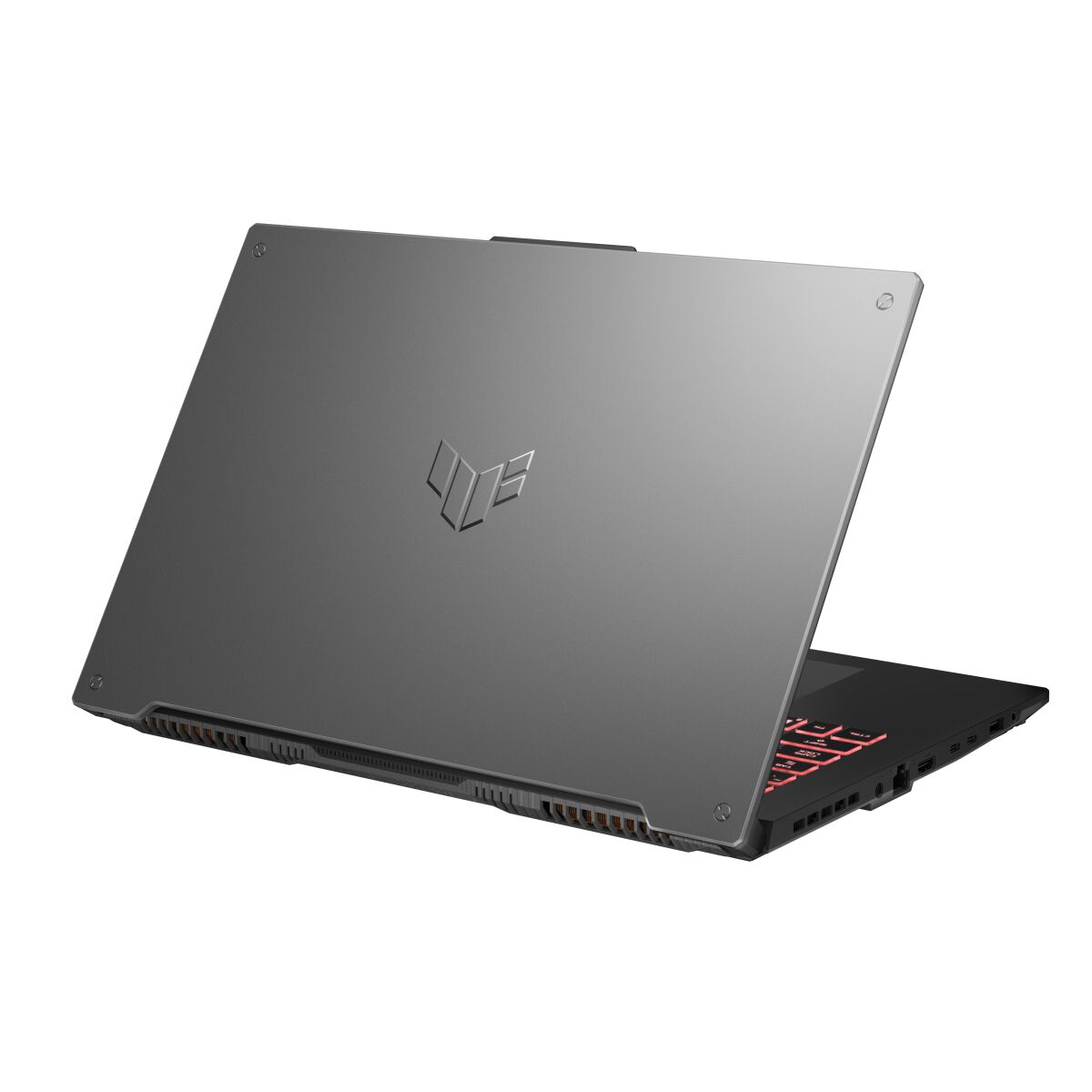
The ASUS TUF Gaming A17 FA707RR-HX005W laptop features DDR5-SDRAM memory with dual SO-DIMM upgrade slots supporting up to 32 GB maximum capacity. Specifications indicate compatibility with DDR5 modules operating at 4800 MHz frequency. The SO-DIMM form factor enables memory expansion for enhanced multitasking performance and application responsiveness on gaming and professional workloads.
Memory Upgrade Specifications
| Specification | Value |
|---|---|
| Memory slots | 2x SO-DIMM |
| Form factor | SO-DIMM |
| Memory type | DDR5-SDRAM |
| Frequency | 4800 MHz |
| Maximum RAM | 32 GB |
| Voltage | 1.1V |
| Number of pins | 262-pin |
| Interface | PC5 |
| PC Speed Rating | PC5-4800 (PC5-38400) |
| Bandwidth | 38.4 GB/s |
| Laptop Release date | 25 March 2022 |
Additional Notes
- The ASUS TUF Gaming FA707RR-HX005W accommodates only 2 SO-DIMM slots, restricting total capacity to 32 GB regardless of individual module density.
- DDR5-4800 MHz operation requires modules rated for JEDEC DDR5 standard; non-standard or overclocked modules may experience stability issues or boot failures in this platform.
- SO-DIMM form factor limits upgrade options to mobile-grade memory; desktop DDR5 UDIMM modules are physically incompatible and cannot be force-fitted.
- Upgrading to the 32 GB maximum (2x16 GB configuration) necessitates complete replacement of existing modules rather than additive expansion due to the fixed 2-slot architecture.
- Memory populated above the factory configuration may trigger BIOS POST delays or require manual XMP/DOCP profile disabling to maintain boot reliability, particularly with non-OEM-validated modules.
- SO-DIMM memory typically operates at higher latencies than desktop DDR5, which compounds effective bandwidth limitations when paired with bandwidth-intensive CPU and GPU configurations in gaming workloads.
- Warranty coverage remains intact for DDR5 modules meeting JEDEC 4800 MHz specifications; however, OEM support cannot guarantee compatibility with third-party modules, particularly those marketed for overclocking.