ASUS TUF Gaming FX506HC-HN409 RAM upgrade specifications



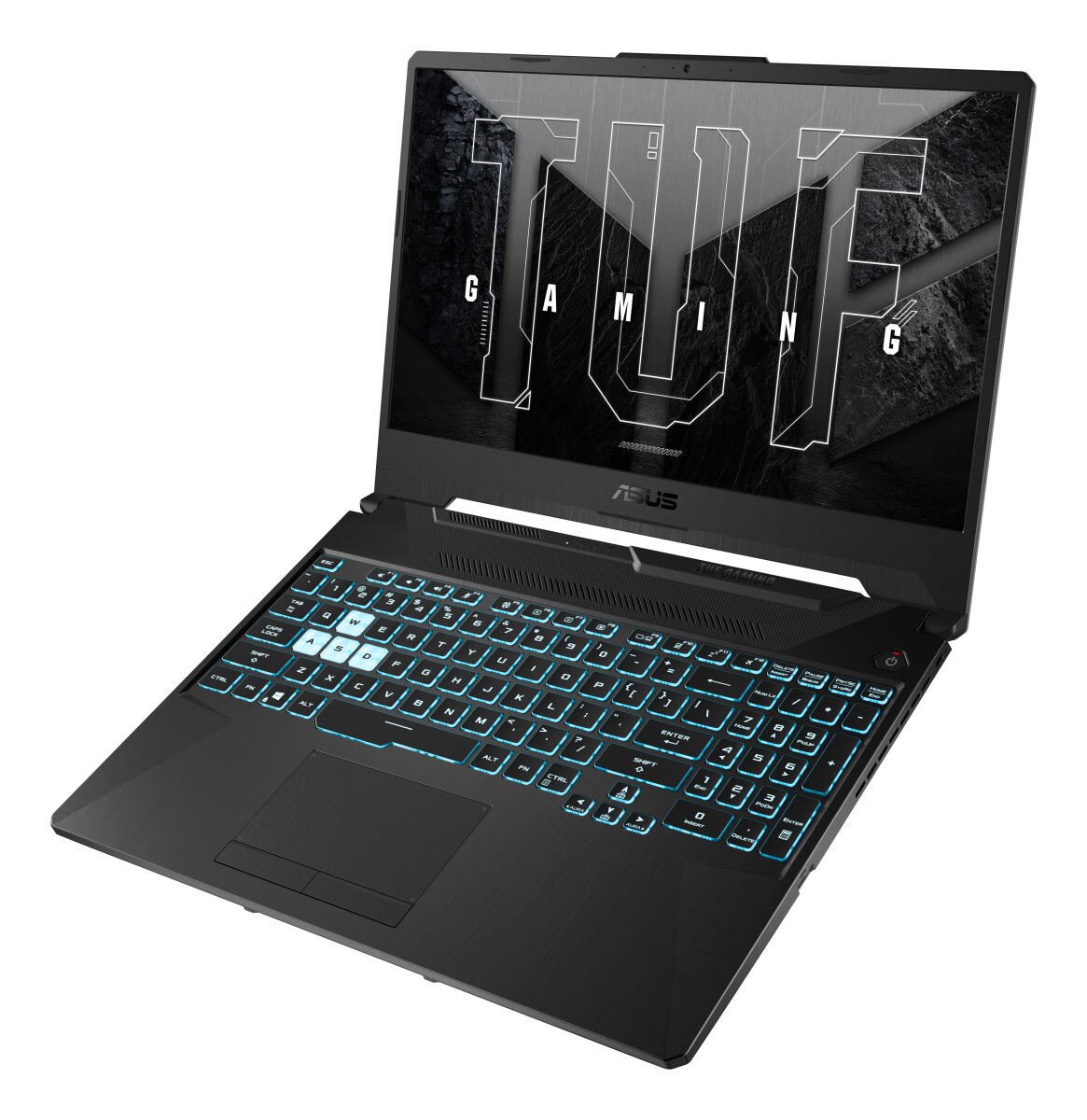
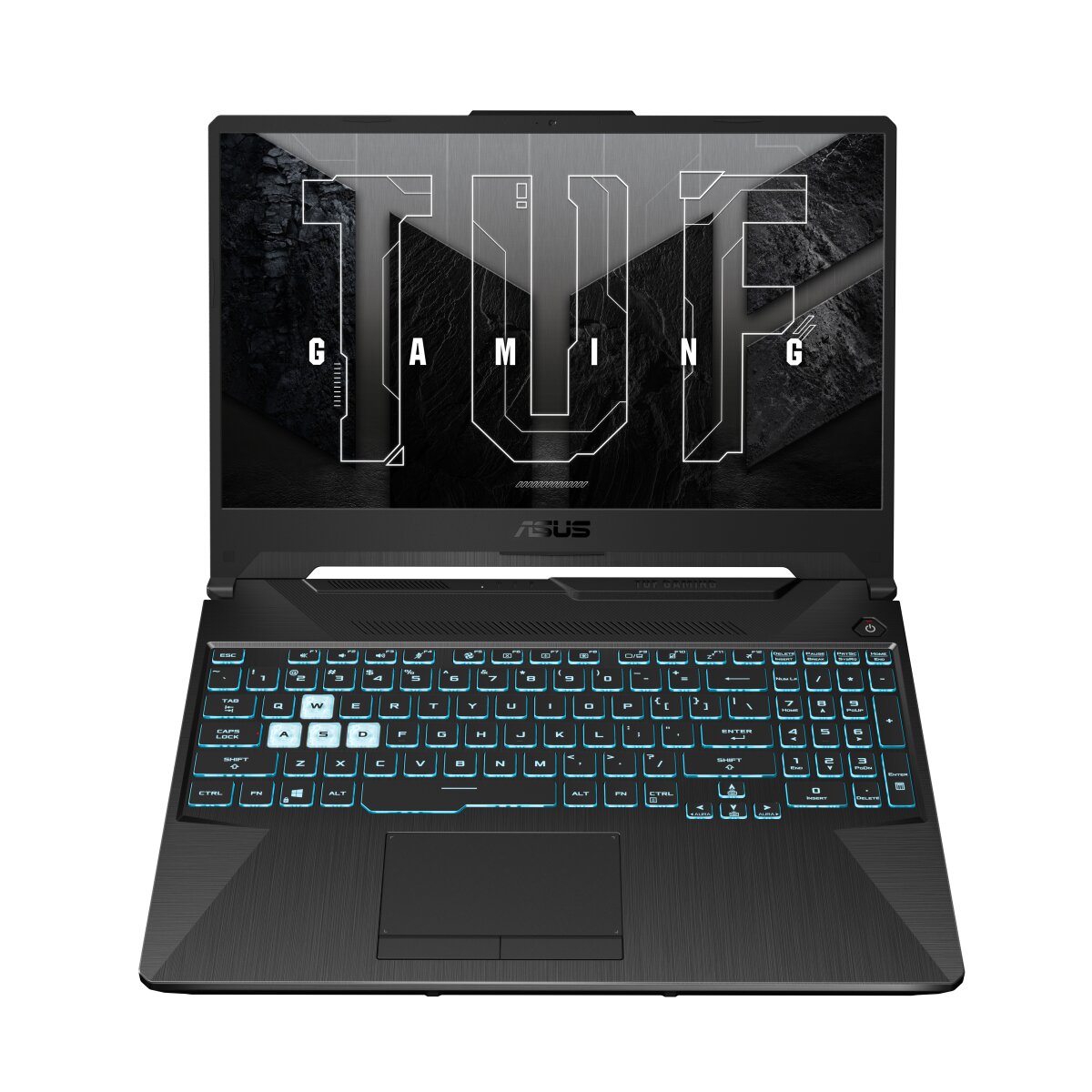
The ASUS TUF Gaming F15 FX506HC-HN409 features DDR4-SDRAM memory upgrade capabilities with two SO-DIMM slots. Maximum RAM capacity reaches 32 GB with compatible modules operating at 3200 MHz frequency. The laptop supports SO-DIMM form factor memory modules for upgrade configurations. Current specifications indicate dual-slot architecture enabling memory expansion from baseline capacity to maximum supported 32 GB RAM specifications. Memory upgrade slots accommodate DDR4-SDRAM modules meeting compatibility requirements for this TUF Gaming F15 model.
Memory Upgrade Specifications
| Specification | Value |
|---|---|
| Memory slots | 2x SO-DIMM |
| Form factor | SO-DIMM |
| Memory type | DDR4-SDRAM |
| Frequency | 3200 MHz |
| Maximum RAM | 32 GB |
| Voltage | 1.2V |
| Number of pins | 260-pin |
| Interface | PC4 |
| PC Speed Rating | PC4-3200 (PC4-25600) |
| Bandwidth | 25.6 GB/s |
Additional Notes
- The ASUS TUF Gaming FX506HC-HN409 supports only 2 SO-DIMM slots, which means maximum capacity is constrained to 32 GB total when both slots are populated with 16 GB modules.
- DDR4-3200 MHz specification indicates the memory controller has been validated at 3200 MHz; faster DDR4 modules (such as 3600 MHz variants) may function but cannot guarantee stability and fall outside manufacturer support parameters.
- SO-DIMM form factor is standard for this laptop class and allows only laptop-grade memory modules; desktop DDR4 UDIMM sticks are physically incompatible and will not install.
- Single-channel to dual-channel migration is possible if the system shipped with 1 populated slot; upgrading both slots simultaneously improves memory bandwidth substantially compared to single-slot operation.
- Warranty coverage for RAM upgrades typically remains intact when using manufacturer-approved DDR4-3200 modules from qualified vendor lists; third-party modules may void memory-related coverage depending on ASUS regional policy.
- The 2-slot architecture creates a potential bottleneck during memory-intensive tasks if the original configuration uses only 8 GB or less; paired 16 GB modules eliminate this limitation while preserving future expansion capacity.