ASUS TUF Gaming TUF506HCB-HN148 RAM upgrade specifications

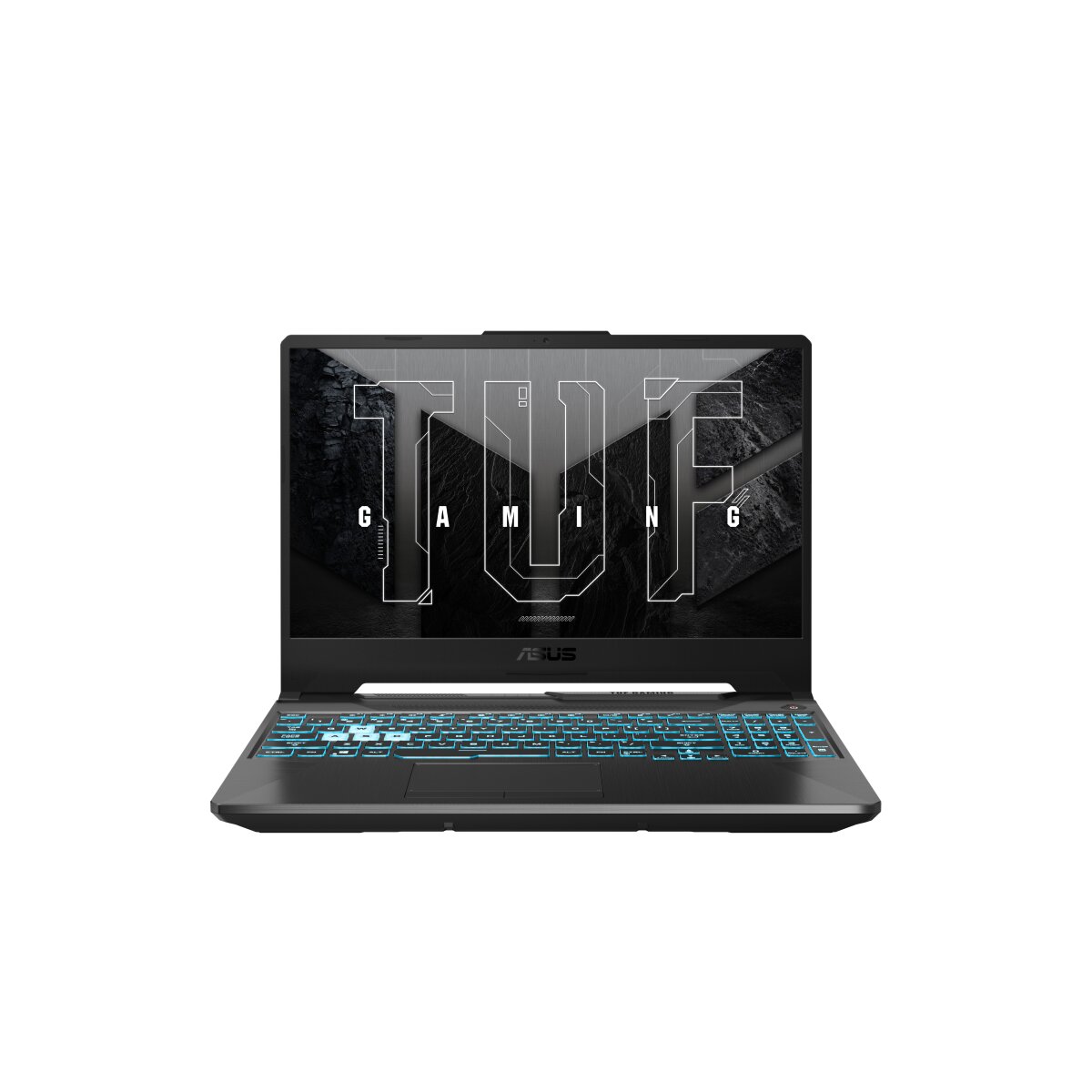


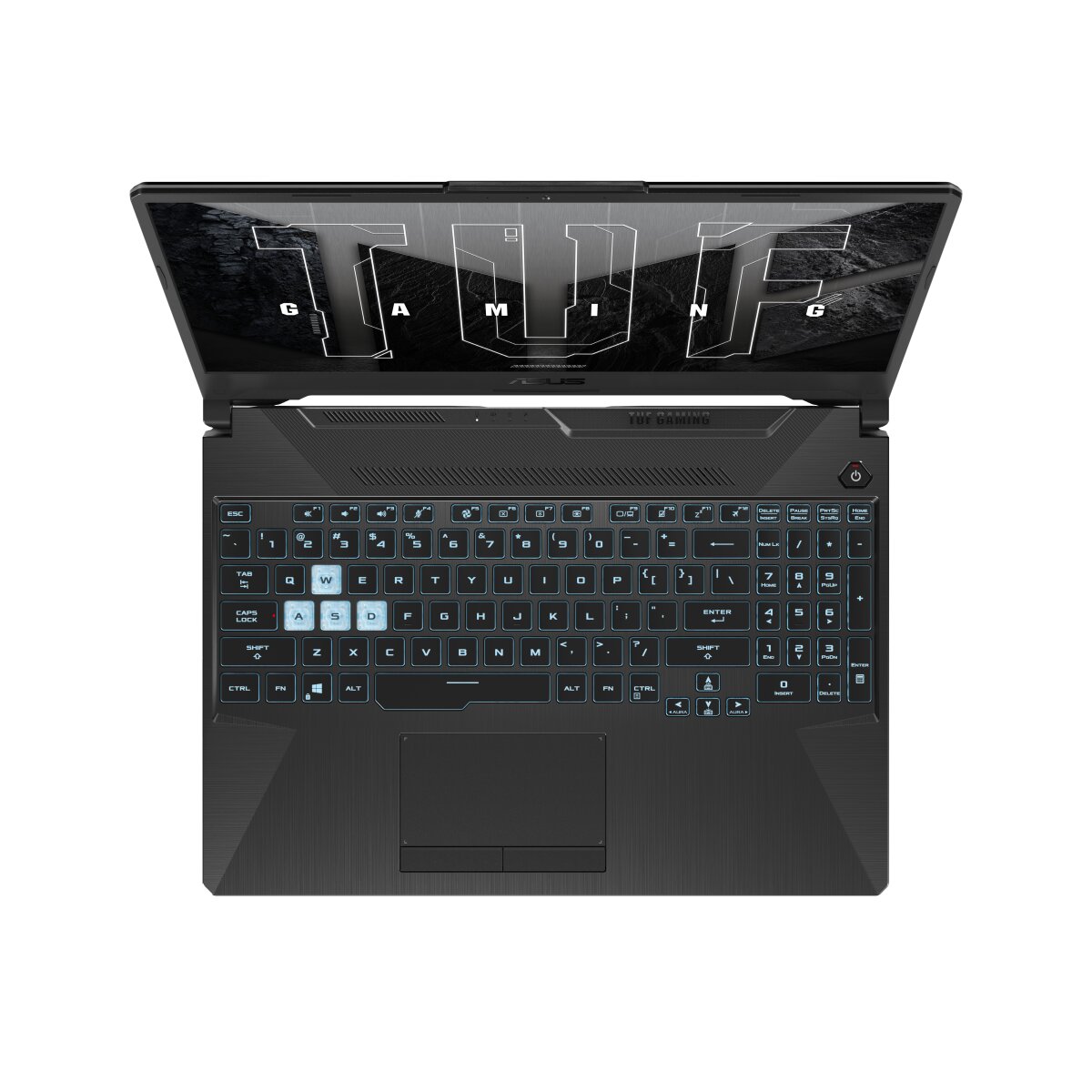
ASUS TUF Gaming F15 model TUF506HCB-HN148 features 2x SO-DIMM memory slots supporting DDR4-SDRAM upgrades. Maximum RAM capacity reaches 32 GB total. Compatible memory operates at 3200 MHz frequency. Upgrade specifications indicate SO-DIMM form factor modules required for memory expansion. The laptop supports dual-channel memory configuration for enhanced performance.
Memory Upgrade Specifications
| Specification | Value |
|---|---|
| Memory slots | 2x SO-DIMM |
| Form factor | SO-DIMM |
| Memory type | DDR4-SDRAM |
| Frequency | 3200 MHz |
| Maximum RAM | 32 GB |
| Voltage | 1.2V |
| Number of pins | 260-pin |
| Interface | PC4 |
| PC Speed Rating | PC4-3200 (PC4-25600) |
| Bandwidth | 25.6 GB/s |
| Laptop Release date | 12 November 2021 |
Additional Notes
- The ASUS TUF Gaming TUF506HCB-HN148 uses laptop-class SO-DIMM form factor memory, which is physically incompatible with desktop DDR4 UDIMM modules despite both using the same DDR4 specification standard.
- Dual memory slots permit asymmetrical configurations, meaning one slot can be populated with a higher-capacity module while the other retains lower capacity, though dual-matching modules will deliver superior performance through dual-channel bandwidth at 3200 MHz.
- The 32 GB ceiling represents a hard limit imposed by BIOS implementation rather than physical slot capacity, preventing single-module upgrades beyond 16 GB per slot without exceeding this threshold.
- Memory operating at 3200 MHz on this platform may experience reduced performance in applications sensitive to memory latency if aftermarket modules carry higher CAS latency ratings than OEM components, as latency effects compound across the memory hierarchy.
- Warranty coverage for memory upgrades remains intact if replacement modules meet the DDR4-3200 specification and SO-DIMM form factor, but mixing memory generations (such as pairing original DDR4 modules with newer DDR4 variants) can introduce compatibility issues if voltage profiles differ.
- Installation requires complete system power-down and battery disconnection; residual charge in the power delivery subsystem can corrupt boot firmware if memory modules are installed while the system retains partial charge.