ASUS TUF Gaming FX607VJ-RL805W-GAMING RAM upgrade specifications




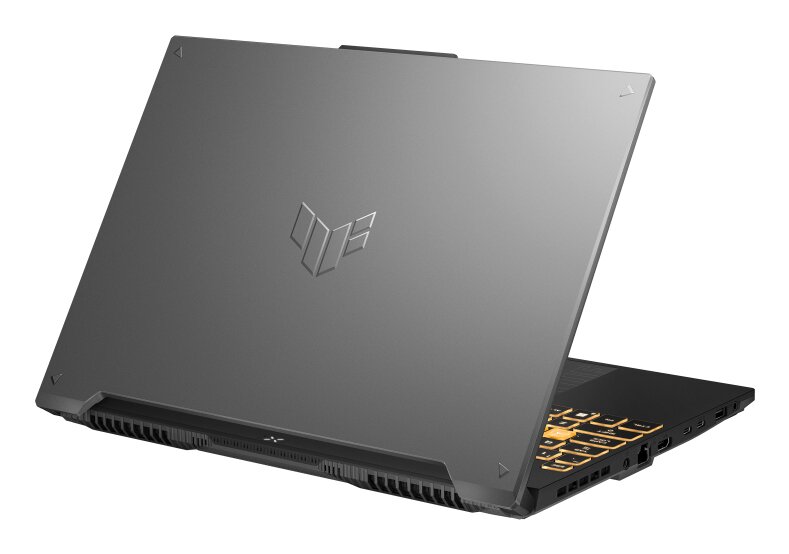
ASUS TUF Gaming F16 FX607VJ-RL805W-GAMING laptop features DDR4-SDRAM memory configuration with 2x SO-DIMM slots supporting maximum 64 GB capacity. Compatible memory modules operate at 3200 MHz frequency using SO-DIMM form factor. RAM upgrade specifications enable expansion of system memory through dual slot architecture, allowing installation of compatible DDR4 modules to enhance multitasking performance and application responsiveness on gaming-focused computing platform.
Memory Upgrade Specifications
| Specification | Value |
|---|---|
| Memory slots | 2x SO-DIMM |
| Form factor | SO-DIMM |
| Memory type | DDR4-SDRAM |
| Frequency | 3200 MHz |
| Maximum RAM | 64 GB |
| Voltage | 1.2V |
| Number of pins | 260-pin |
| Interface | PC4 |
| PC Speed Rating | PC4-3200 (PC4-25600) |
| Bandwidth | 25.6 GB/s |
Additional Notes
- The ASUS TUF Gaming FX607VJ-RL805W-GAMING uses DDR4 memory architecture, which means replacement modules must match this generation exactly; DDR5 incompatibility will prevent system boot regardless of physical insertion attempts.
- With 2 SO-DIMM slots and a 64 GB maximum capacity ceiling, each slot supports up to 32 GB modules at full saturation; single-slot upgrades cannot exceed this per-module limit without firmware constraints.
- The 3200 MHz frequency specification establishes a hard performance floor for new modules; modules rated below this speed will operate at 3200 MHz through automatic downclocking, while faster-rated modules (3600 MHz, 4000 MHz) will throttle to 3200 MHz, negating any speed premium paid during purchase.
- SO-DIMM form factor confirms this is a mobile platform with tightly constrained physical space; standard UDIMM desktop RAM will not fit, and aftermarket heatspreaders exceeding standard SO-DIMM profile heights may contact internal components or chassis obstruction during seating.
- Populating both slots with matched-capacity modules (16+16 GB, 32+32 GB) enables dual-channel memory architecture, which increases bandwidth throughput by approximately 50 percent compared to single-channel operation; mismatched capacities (8+16 GB) force single-channel operation on the smaller module's channel, creating asymmetric latency penalties.
- Warranty preservation requires sourcing modules from ASUS compatibility lists or qualified ODM suppliers; non-qualified third-party modules may trigger hardware compatibility flags in BIOS, voiding coverage on memory-related failure claims.