ASUS Vivobook X512DA-BQ579T RAM upgrade specifications


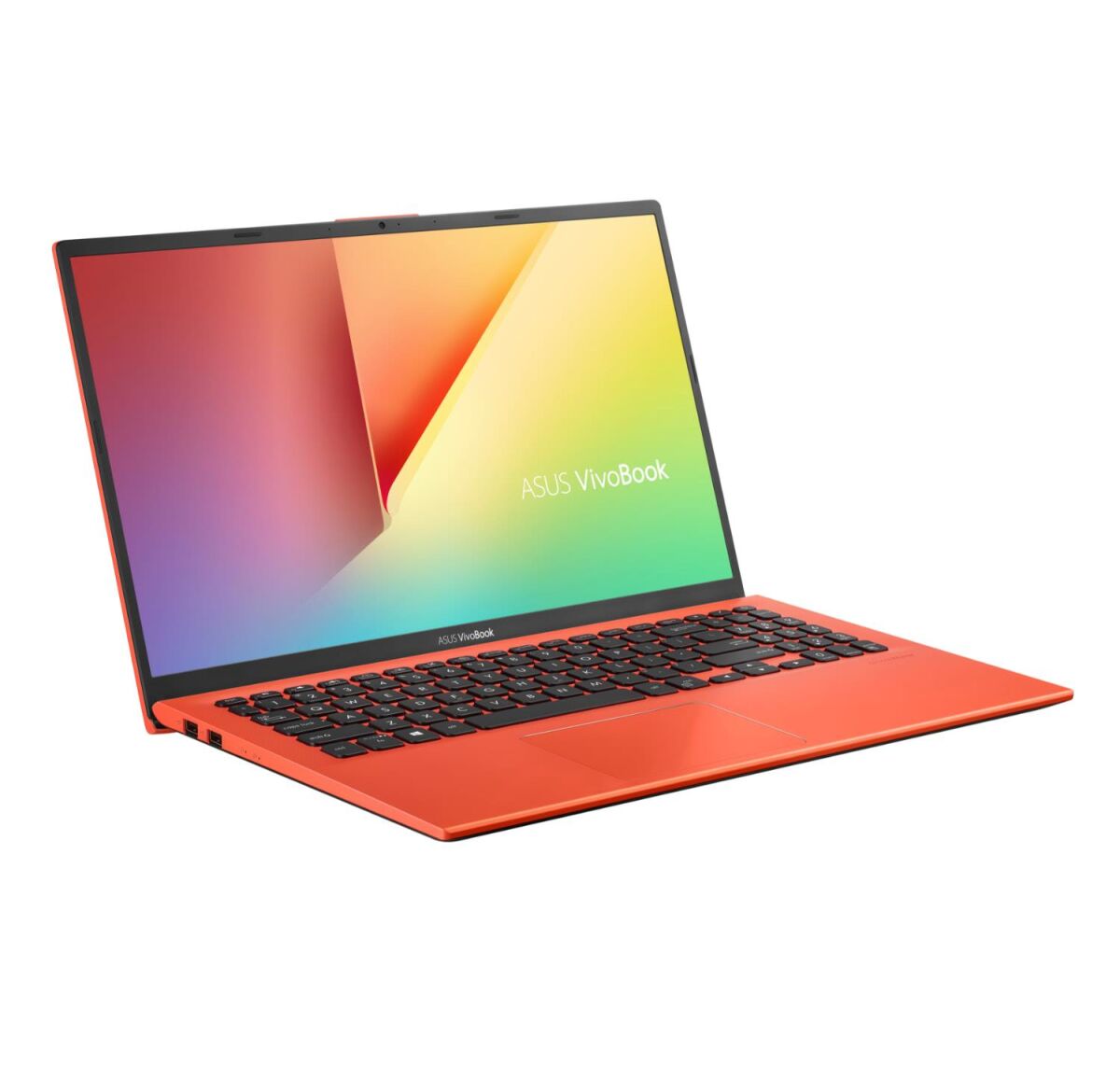
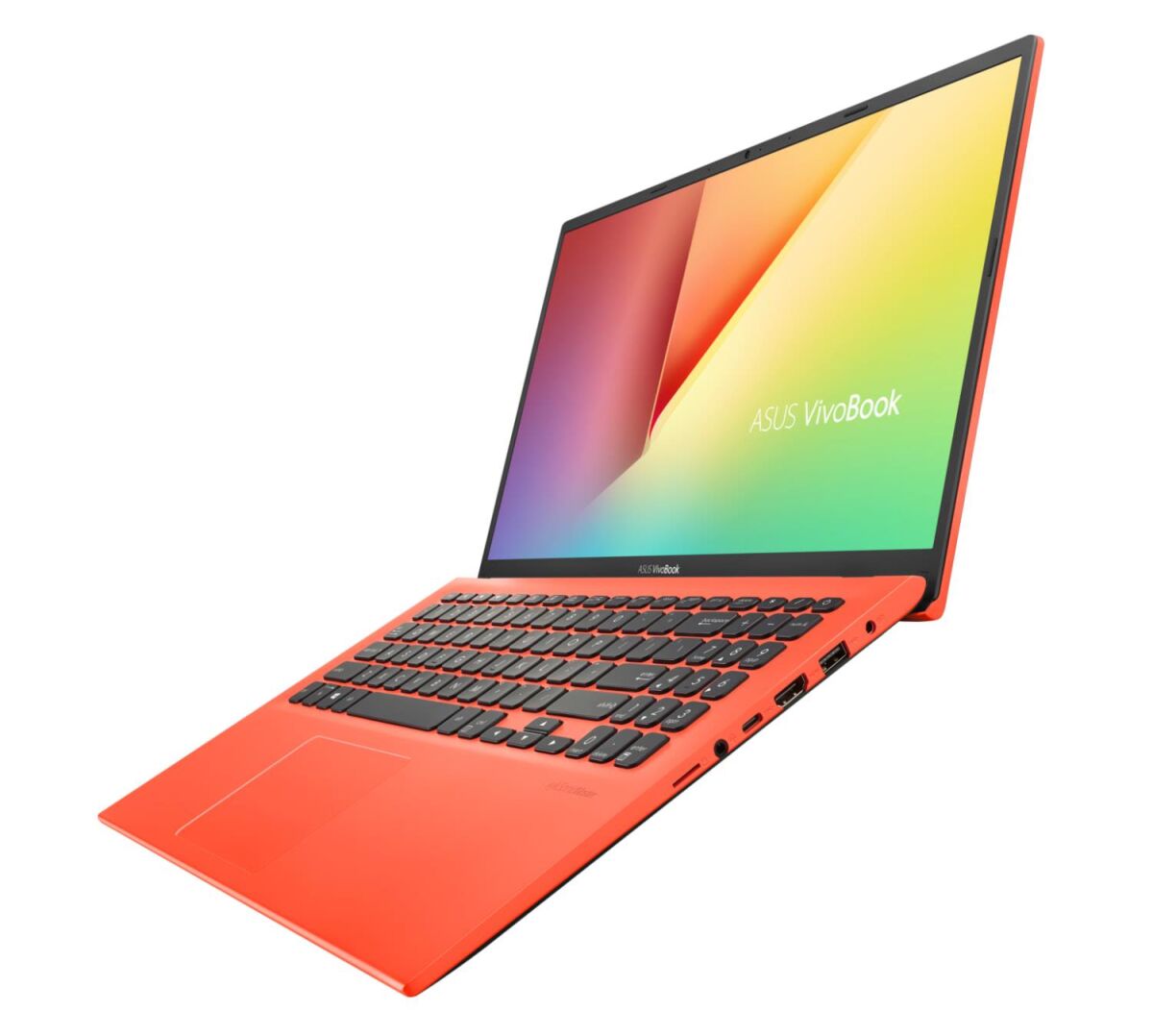

The ASUS Vivobook 15 Series X512DA-BQ579T laptop features DDR4-SDRAM memory with upgrade capacity specifications. The system contains one SO-DIMM slot available for RAM expansion. Current memory configuration includes on-board storage plus one upgradeable slot. Maximum compatible RAM capacity reaches 12 GB total. Memory operates at 2400 MHz frequency. Upgrade specifications indicate single slot configuration for memory expansion, compatible with DDR4-SDRAM modules. Additional RAM installation requires DDR4-compatible memory modules matching specified frequency parameters.
Memory Upgrade Specifications
| Specification | Value |
|---|---|
| Memory slots | 1x SO-DIMM |
| Form factor | On-board + SO-DIMM |
| Memory type | DDR4-SDRAM |
| Frequency | 2400 MHz |
| Maximum RAM | 12 GB |
| Voltage | 1.2V |
| Number of pins | 260-pin |
| Interface | PC4 |
| PC Speed Rating | PC4-2400 (PC4-19200) |
| Bandwidth | 19.2 GB/s |
| Laptop Release date | 16 August 2019 |
Additional Notes
- The ASUS Vivobook X512DA-BQ579T features soldered memory on the motherboard, which cannot be removed or replaced under any circumstances.
- The 12 GB maximum capacity indicates 4 GB of permanently soldered RAM, allowing only an 8 GB SO-DIMM module addition to reach the stated limit.
- Installing a module larger than 8 GB will result in either system failure to boot or automatic downgrade to match the asymmetric configuration constraints.
- The single SO-DIMM slot eliminates dual-channel memory operation, forcing the system to run in single-channel mode regardless of installed module capacity.
- Single-channel configuration reduces memory bandwidth by approximately 50 percent compared to dual-channel setups, creating potential bottlenecks in graphics-intensive applications that rely on integrated GPU performance.
- The 2400 MHz frequency specification represents the maximum supported speed, meaning faster modules at 2666 MHz or 3200 MHz will downclock to 2400 MHz automatically.
- Mixing the soldered memory with an aftermarket SO-DIMM module may introduce timing mismatches if the module uses different latency specifications than the onboard component.
- The SO-DIMM slot requires 260-pin modules specifically; standard 288-pin DIMM desktop memory modules are physically incompatible with this form factor.
- Accessing the single memory slot typically requires complete bottom panel removal, voiding certain regional warranty seals depending on manufacturer policies.
- Operating voltage must match DDR4 standard specifications at 1.2V, as low-voltage or overclocking modules may cause stability issues or prevent system POST.
- The asymmetric memory configuration between soldered and socketed RAM prevents optimal memory interleaving, reducing cache efficiency in memory-intensive workloads.