ASUS Vivobook X512DA-EJ065 RAM upgrade specifications
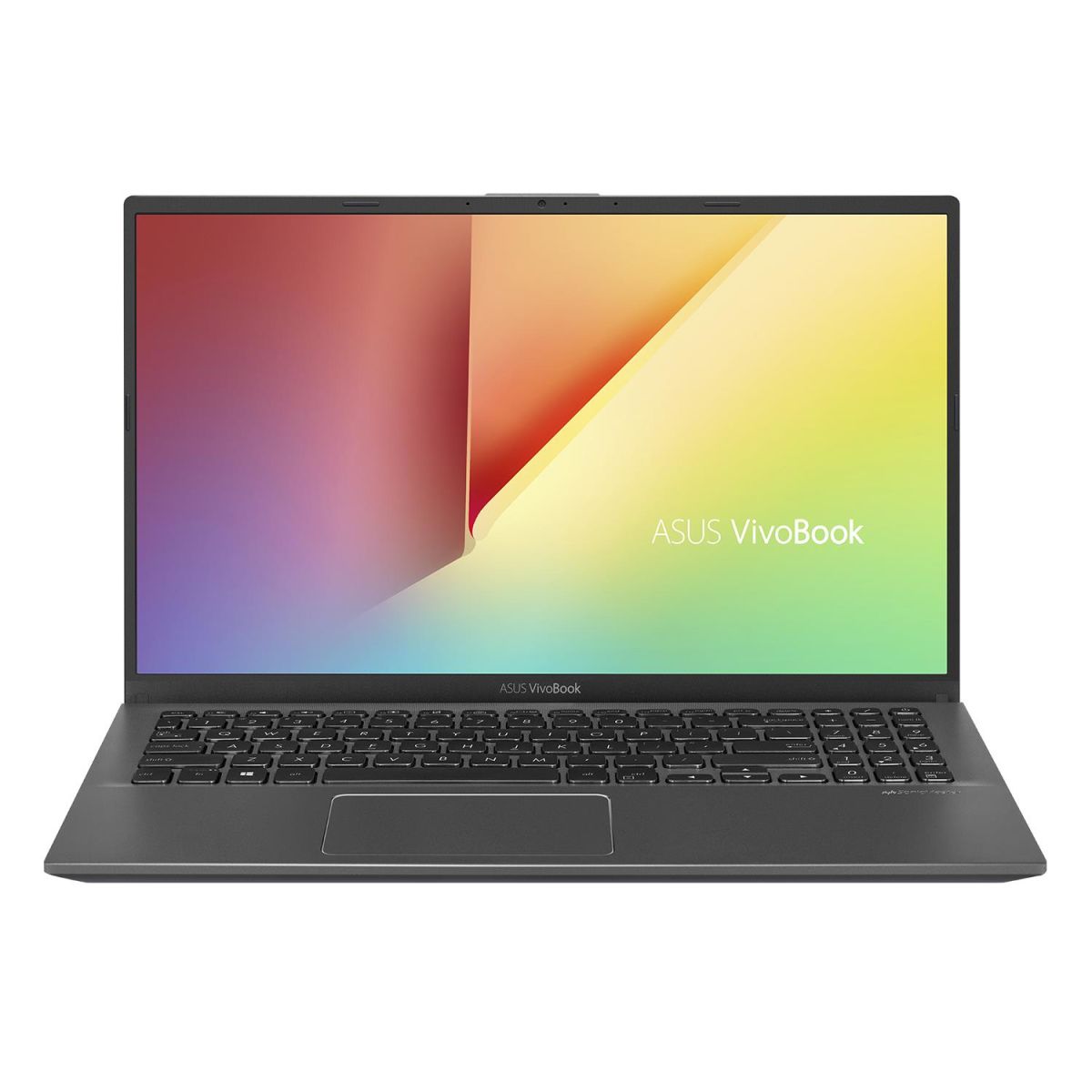
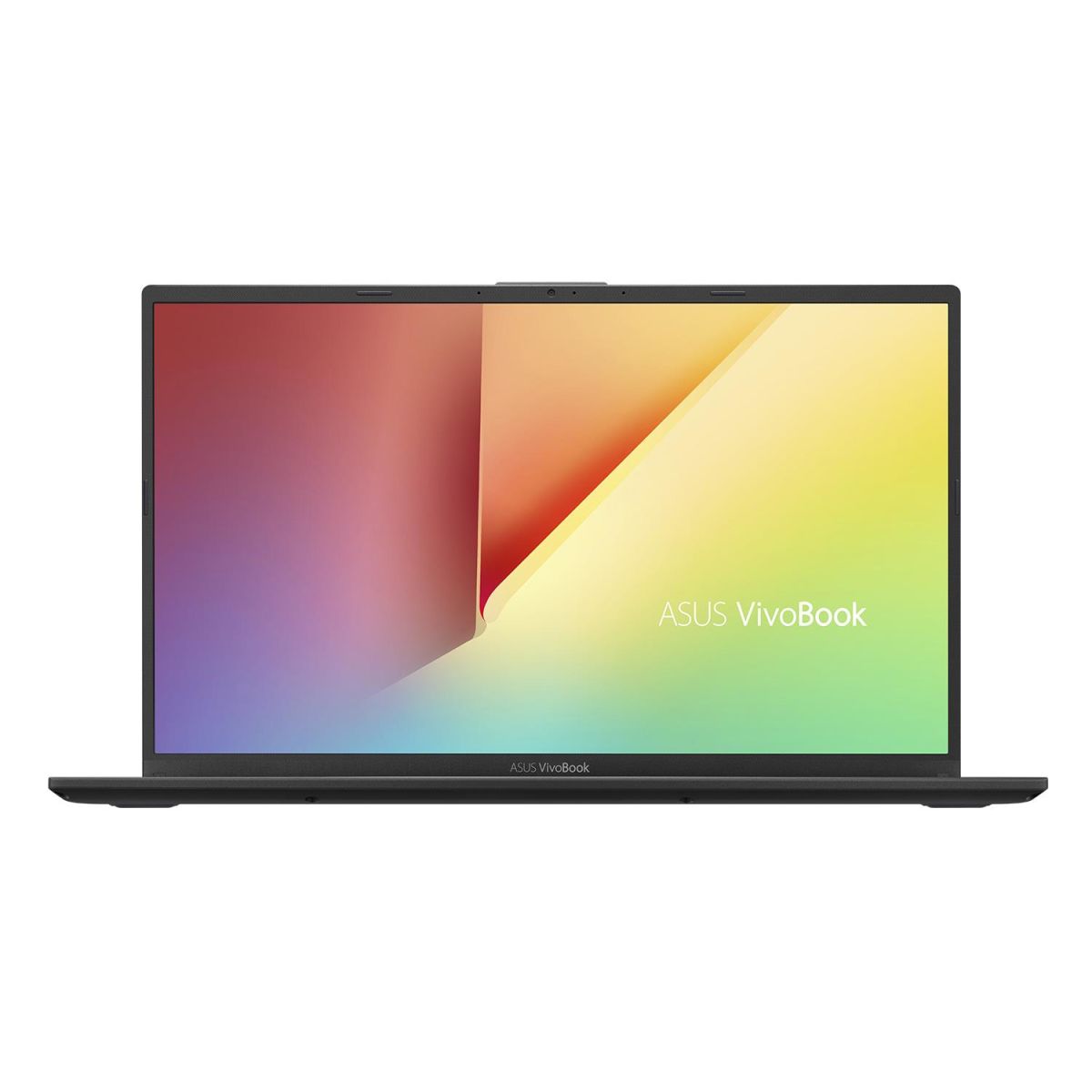
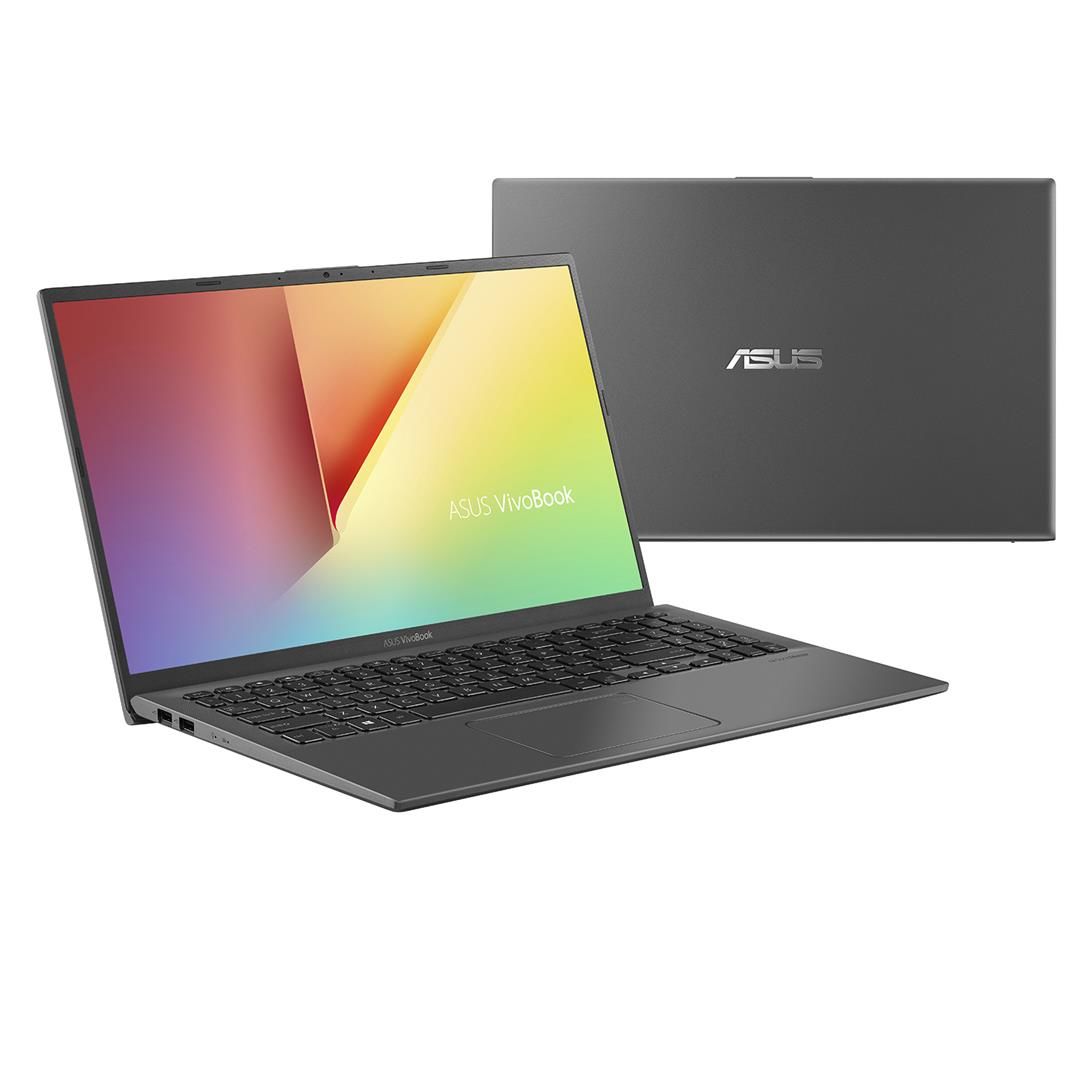


The ASUS Vivobook 15 X512DA-EJ065 supports DDR4-SDRAM memory upgrades. Specifications indicate one SO-DIMM slot available for expansion, with maximum RAM capacity of 12 GB. The laptop features a combination of on-board memory and SO-DIMM module configuration. Compatible memory operates at 2400 MHz frequency. Upgrade options allow users to expand the system's memory capacity by replacing or adding modules in the available slot to reach the specified maximum RAM limit.
Memory Upgrade Specifications
| Specification | Value |
|---|---|
| Memory slots | 1x SO-DIMM |
| Form factor | On-board + SO-DIMM |
| Memory type | DDR4-SDRAM |
| Frequency | 2400 MHz |
| Maximum RAM | 12 GB |
| Voltage | 1.2V |
| Number of pins | 260-pin |
| Interface | PC4 |
| PC Speed Rating | PC4-2400 (PC4-19200) |
| Bandwidth | 19.2 GB/s |
| Laptop Release date | 04 September 2019 |
Additional Notes
- The ASUS Vivobook X512DA-EJ065 contains soldered on-board memory paired with a single accessible SO-DIMM slot, meaning only the removable module can be upgraded without manufacturer intervention.
- Maximum addressable capacity of 12 GB indicates 8 GB soldered to the mainboard with a 4 GB SO-DIMM slot ceiling, creating an asymmetrical memory configuration that cannot be balanced across dual channels.
- DDR4-2400 MHz specification operates below the JEDEC standard for contemporary DDR4 implementations, resulting in reduced bandwidth availability compared to modules rated at 2666 MHz or higher, which may constrain multi-threaded workload performance.
- Replacement SO-DIMM modules must be DDR4 type with physical and electrical compatibility to 2400 MHz operation; modules rated higher will downclock to platform specification, while lower-rated modules risk stability issues.
- The single memory slot eliminates redundancy in the upgrade path; failure of the soldered component leaves the system non-functional, and failure of the SO-DIMM slot eliminates future expansion beyond factory-installed capacity.
- Thermal design considerations for the soldered memory are fixed at manufacturing; upgrading only the removable module does not alter heat dissipation characteristics of the on-board portion.
- BIOS-level memory tuning options are likely minimal given the soldered architecture, restricting latency or timing adjustments to the installed SO-DIMM alone.