ASUS Vivobook X512FA-EJ025T RAM upgrade specifications
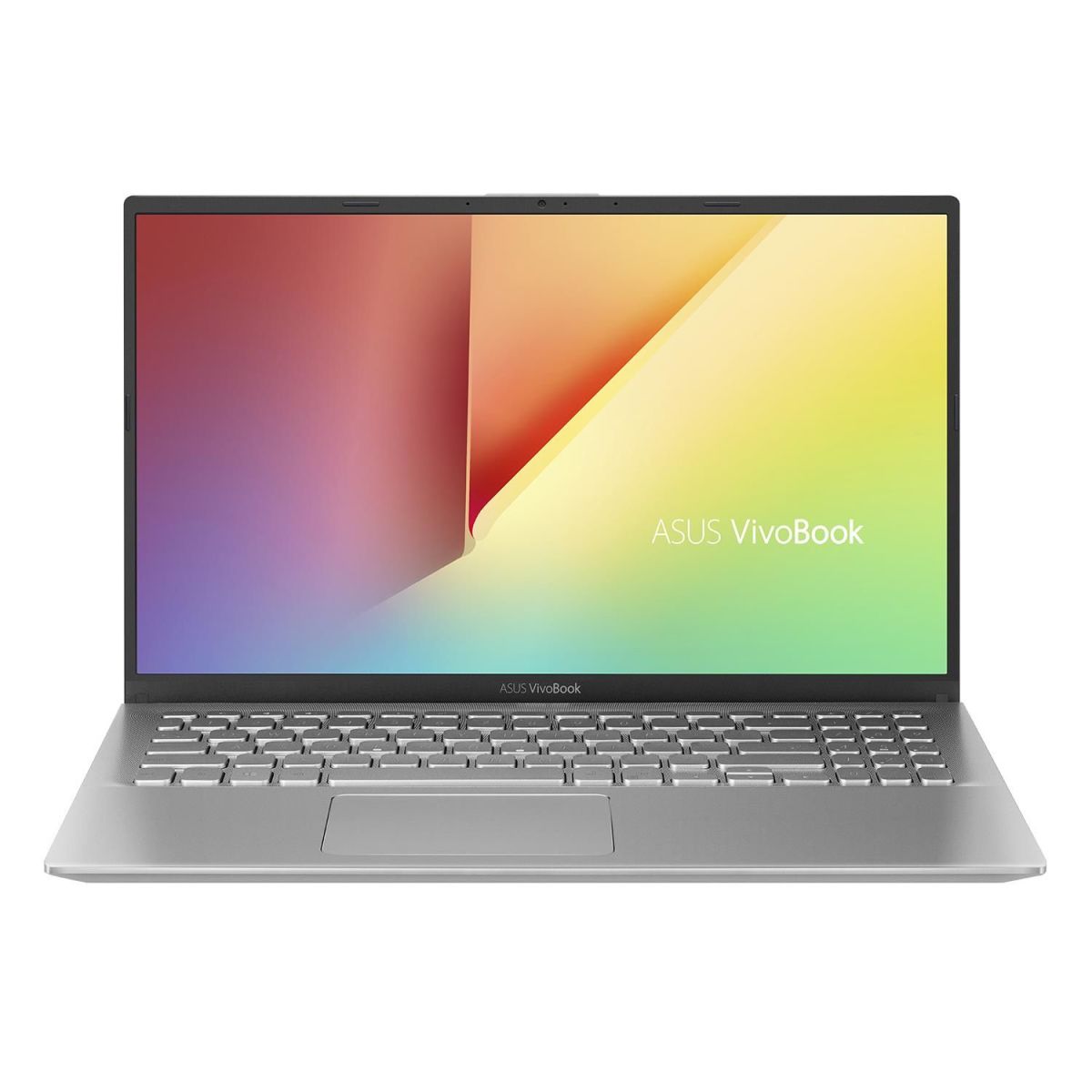
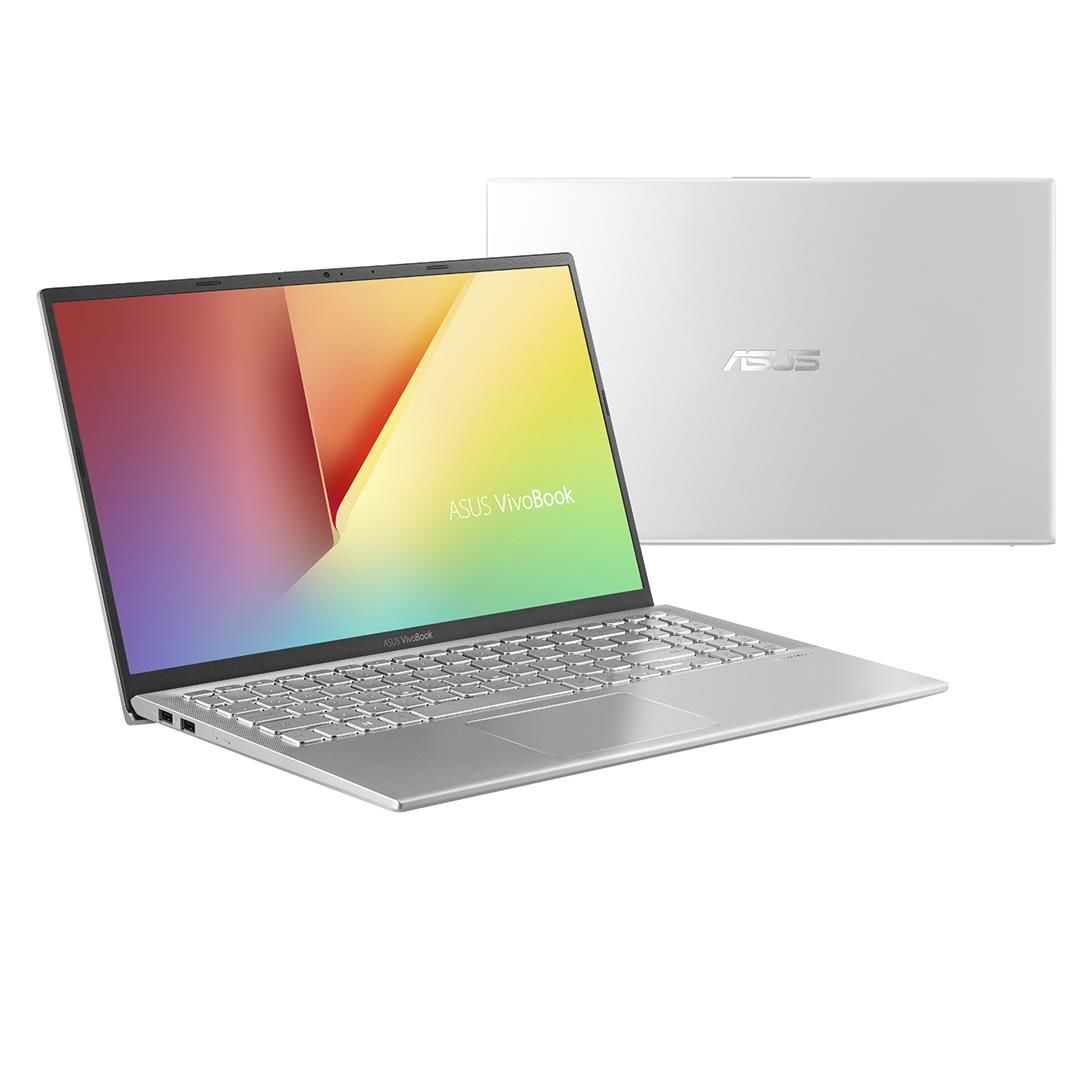


ASUS Vivobook 15 Series X512FA-EJ025T supports DDR4-SDRAM memory upgrade specifications. The laptop contains 1x SO-DIMM slot for RAM expansion, with maximum memory capacity of 12 GB. Memory operates at 2400 MHz frequency. The device features on-board memory combined with a single upgradeable SO-DIMM slot, enabling users to expand storage capacity. Compatible RAM modules must meet DDR4-SDRAM specifications and 2400 MHz frequency requirements for optimal performance and compatibility.
Memory Upgrade Specifications
| Specification | Value |
|---|---|
| Memory slots | 1x SO-DIMM |
| Form factor | On-board + SO-DIMM |
| Memory type | DDR4-SDRAM |
| Frequency | 2400 MHz |
| Maximum RAM | 12 GB |
| Voltage | 1.2V |
| Number of pins | 260-pin |
| Interface | PC4 |
| PC Speed Rating | PC4-2400 (PC4-19200) |
| Bandwidth | 19.2 GB/s |
| Laptop Release date | 14 March 2019 |
Additional Notes
- The presence of on board memory indicates that a portion of the system RAM is permanently soldered to the motherboard and cannot be replaced or removed.
- System memory expansion relies on a single available expansion slot which limits the device to single channel or asymmetric dual channel configurations depending on the capacity of the installed module.
- Memory modules with speeds exceeding 2400 MHz will automatically downclock to match the hardware controller limit of the ASUS Vivobook X512FA-EJ025T resulting in increased latency.
- The 12 GB maximum capacity ceiling necessitates a specific hardware combination typically consisting of 4 GB of internal memory and one 8 GB removable module.
- Achieving the maximum supported capacity requires access to the internal motherboard assembly which involves removing the base enclosure and potentially voiding secondary seals.
- Future performance scaling is restricted by the lack of a second physical slot preventing a symmetrical 128 bit memory bus architecture.
- Intersplicing different memory brands between the soldered chips and the slot may lead to SPD timing mismatches that force the system into basic compatibility modes.