ASUS Vivobook X512FA-EJ136T RAM upgrade specifications


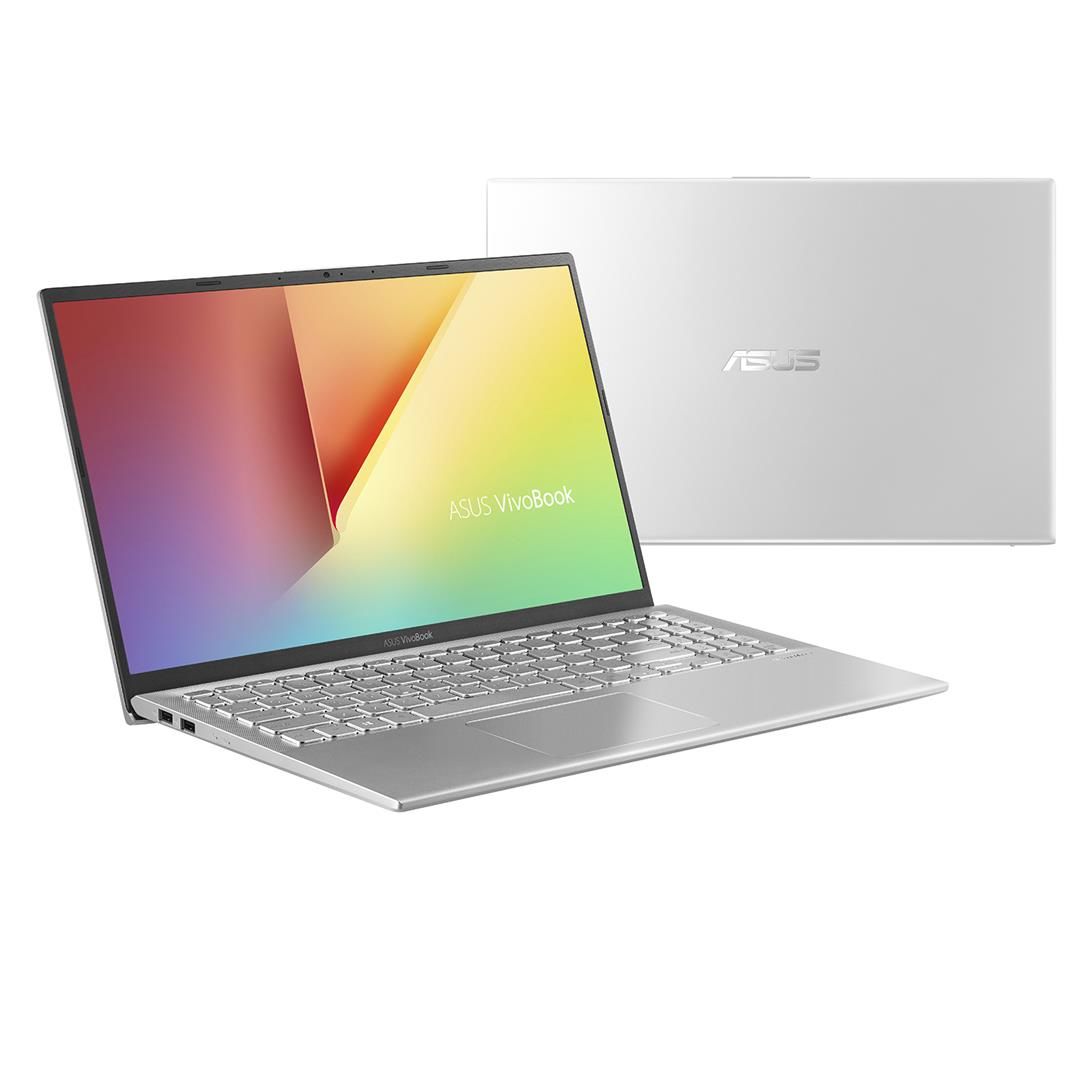


The ASUS Vivobook 15 Series X512FA-EJ136T laptop features DDR4-SDRAM memory specifications compatible with upgrade configurations. The device includes 1x SO-DIMM slot for memory expansion, supporting maximum RAM capacity of 12 GB total. Memory operates at 2400 MHz frequency with a hybrid configuration combining on-board memory with SO-DIMM slot architecture. RAM upgrade specifications are limited by single slot availability and maximum capacity restrictions.
Memory Upgrade Specifications
| Specification | Value |
|---|---|
| Memory slots | 1x SO-DIMM |
| Form factor | On-board + SO-DIMM |
| Memory type | DDR4-SDRAM |
| Frequency | 2400 MHz |
| Maximum RAM | 12 GB |
| Voltage | 1.2V |
| Number of pins | 260-pin |
| Interface | PC4 |
| PC Speed Rating | PC4-2400 (PC4-19200) |
| Bandwidth | 19.2 GB/s |
| Laptop Release date | 23 May 2019 |
Additional Notes
- The ASUS Vivobook X512FA-EJ136T features soldered RAM that cannot be removed or replaced, limiting upgrade flexibility to the single accessible SO-DIMM slot.
- The 12 GB maximum capacity indicates 4 GB of permanently soldered memory, allowing only an 8 GB SO-DIMM module to reach the system ceiling.
- Installing a module exceeding 8 GB capacity will result in unrecognized memory beyond the 12 GB threshold due to chipset or BIOS limitations.
- The single-channel architecture of the onboard memory creates an asymmetric dual-channel configuration when a SO-DIMM is added, causing performance degradation in memory-intensive workloads.
- Modules rated above 2400 MHz will downclock automatically to match the system's supported frequency, offering no performance benefit despite higher specifications.
- Non-standard voltage modules (low-voltage or XMP profiles) may fail to initialize or cause boot instability without BIOS-level voltage control options.
- The hybrid memory configuration prevents true dual-channel bandwidth across the full capacity, as only the matched portion operates in interleaved mode.
- Accessing the SO-DIMM slot requires bottom panel removal, which may void warranty seals depending on regional service policies.
- Mixing RAM from different manufacturers between the soldered chip and SO-DIMM can introduce latency mismatches, reducing effective throughput in certain applications.
- The 2400 MHz specification corresponds to DDR4-2400 or PC4-19200 standard, requiring exact or backward-compatible module selection for stable operation.
- Systems with soldered memory cannot recover from physical RAM failure without motherboard replacement, making the SO-DIMM slot the only field-serviceable component.