ASUS Vivobook X512FA-EJ583T RAM upgrade specifications

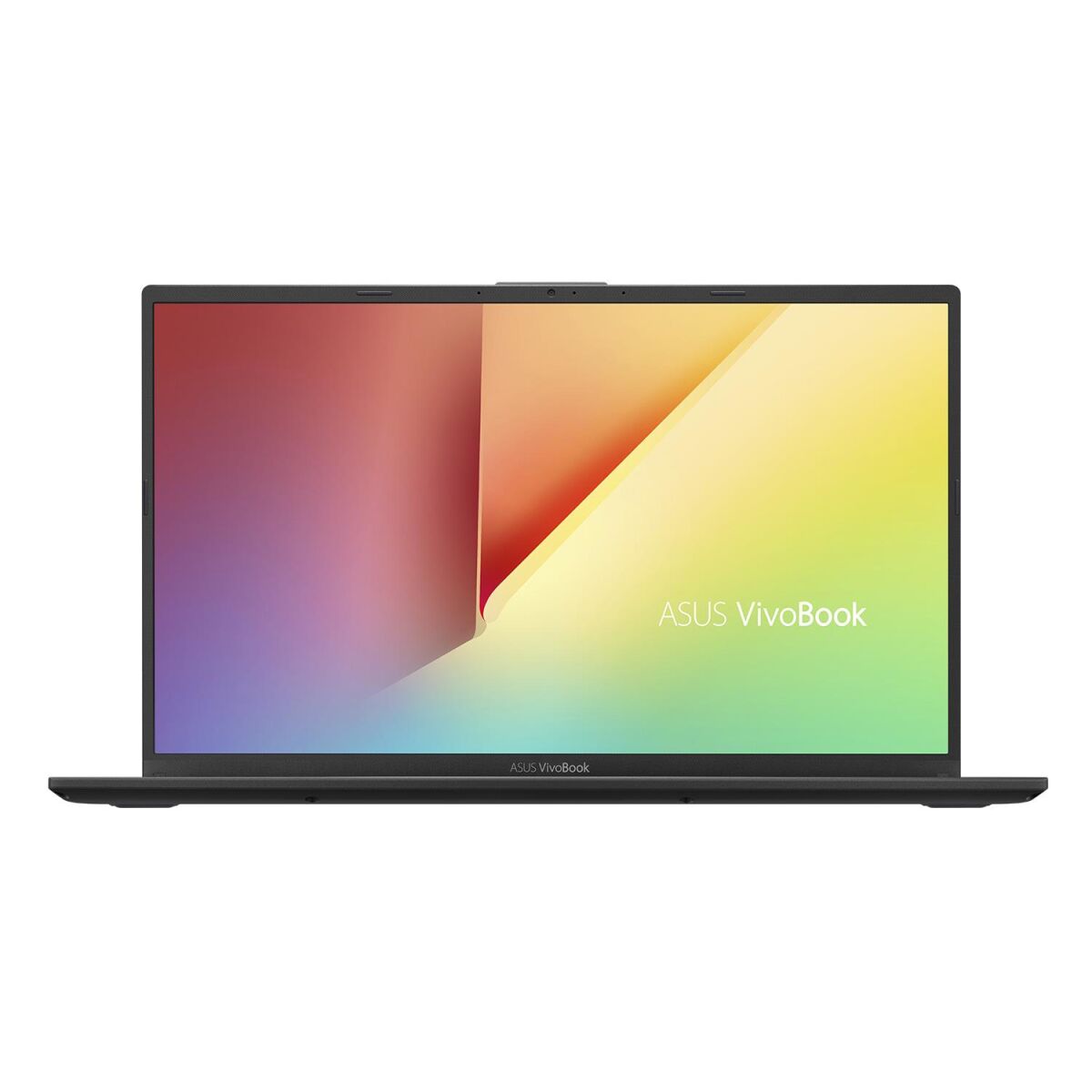



The ASUS Vivobook 15 Series X512FA-EJ583T supports DDR4-SDRAM memory upgrades with specifications including one SO-DIMM slot for expansion. Maximum RAM capacity reaches 12 GB through upgrade, combining on-board memory with removable SO-DIMM modules. Compatible memory operates at 2400 MHz frequency. The laptop accommodates single channel memory configuration via the available SO-DIMM slot for enhanced system performance.
Memory Upgrade Specifications
| Specification | Value |
|---|---|
| Memory slots | 1x SO-DIMM |
| Form factor | On-board + SO-DIMM |
| Memory type | DDR4-SDRAM |
| Frequency | 2400 MHz |
| Maximum RAM | 12 GB |
| Voltage | 1.2V |
| Number of pins | 260-pin |
| Interface | PC4 |
| PC Speed Rating | PC4-2400 (PC4-19200) |
| Bandwidth | 19.2 GB/s |
| Laptop Release date | 01 August 2019 |
Additional Notes
- The ASUS Vivobook X512FA-EJ583T contains soldered on-board memory that cannot be removed, meaning only the single SO-DIMM slot remains upgradeable without voiding warranty coverage.
- Maximum addressable memory of 12 GB indicates 8 GB of soldered RAM plus 4 GB SO-DIMM capacity, creating an asymmetrical configuration that limits practical upgrade utility.
- DDR4-2400 MHz frequency represents a lower-speed variant, constraining the performance gain from additional RAM since faster DDR4 modules (3200 MHz or higher) will downclock to 2400 MHz, eliminating bandwidth advantages.
- Single SO-DIMM architecture means RAM expansion requires complete replacement of the upgradeable module rather than additive installation, necessitating removal of existing memory before installation of higher-capacity alternatives.
- The soldered memory component eliminates the ability to achieve symmetric dual-channel configuration, forcing the system to operate in a mixed single-channel and dual-channel state that reduces memory bandwidth efficiency compared to fully matched paired modules.
- DDR4-2400 modules compatible with this slot are becoming less common in retail channels, restricting sourcing options and potentially increasing replacement part costs relative to mainstream 3200 MHz variants.