ASUS Vivobook X512FA-EJ588T RAM upgrade specifications

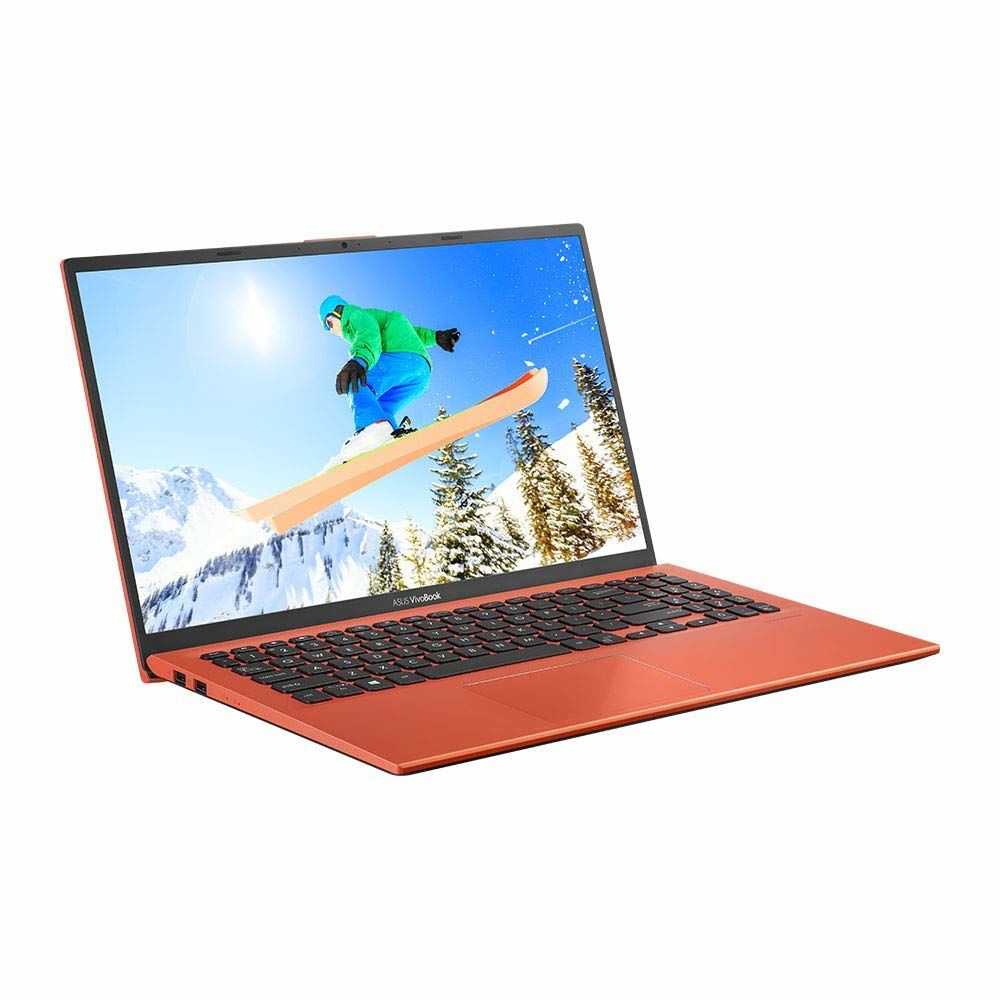

ASUS Vivobook 15 Series X512FA-EJ588T RAM upgrade specifications include DDR4-SDRAM memory compatible with 1x SO-DIMM slot configuration. Maximum RAM capacity reaches 12 GB total, combining on-board memory with SO-DIMM upgradeable slots. Memory operates at 2400 MHz frequency. Upgrade specifications detail compatible memory modules for performance enhancement on this laptop model.
Memory Upgrade Specifications
| Specification | Value |
|---|---|
| Memory slots | 1x SO-DIMM |
| Form factor | On-board + SO-DIMM |
| Memory type | DDR4-SDRAM |
| Frequency | 2400 MHz |
| Maximum RAM | 12 GB |
| Voltage | 1.2V |
| Number of pins | 260-pin |
| Interface | PC4 |
| PC Speed Rating | PC4-2400 (PC4-19200) |
| Bandwidth | 19.2 GB/s |
| Laptop Release date | 07 June 2019 |
Additional Notes
- The ASUS Vivobook X512FA-EJ588T contains soldered memory on the motherboard, meaning only the single SO-DIMM slot is user-accessible for upgrades, limiting expansion flexibility compared to dual-slot configurations.
- Maximum addressable capacity of 12 GB indicates a pre-soldered 4 GB module paired with the single upgradeable slot, constraining total system memory to this ceiling regardless of module selection.
- DDR4-2400 MHz frequency operates at baseline speeds; installing faster DDR4 modules (3000 MHz or higher) will throttle to 2400 MHz, eliminating performance gains from higher-speed memory purchases.
- SO-DIMM form factor requires laptop-specific memory modules; desktop DDR4 UDIMM sticks are physically incompatible and will not fit the slot.
- A single-slot architecture creates zero redundancy; slot failure or defect prevents any memory upgrade path without motherboard replacement or warranty service intervention.
- Upgrading from stock configuration to the 12 GB maximum requires a single 8 GB SO-DIMM module; dual-module scenarios are impossible due to slot count constraints.
- Memory bandwidth is constrained by DDR4-2400 throughput of approximately 19.2 GB/s, which may create latency bottlenecks when paired with modern processors handling concurrent I/O operations.