ASUS Vivobook X512FL-BQ136T RAM upgrade specifications
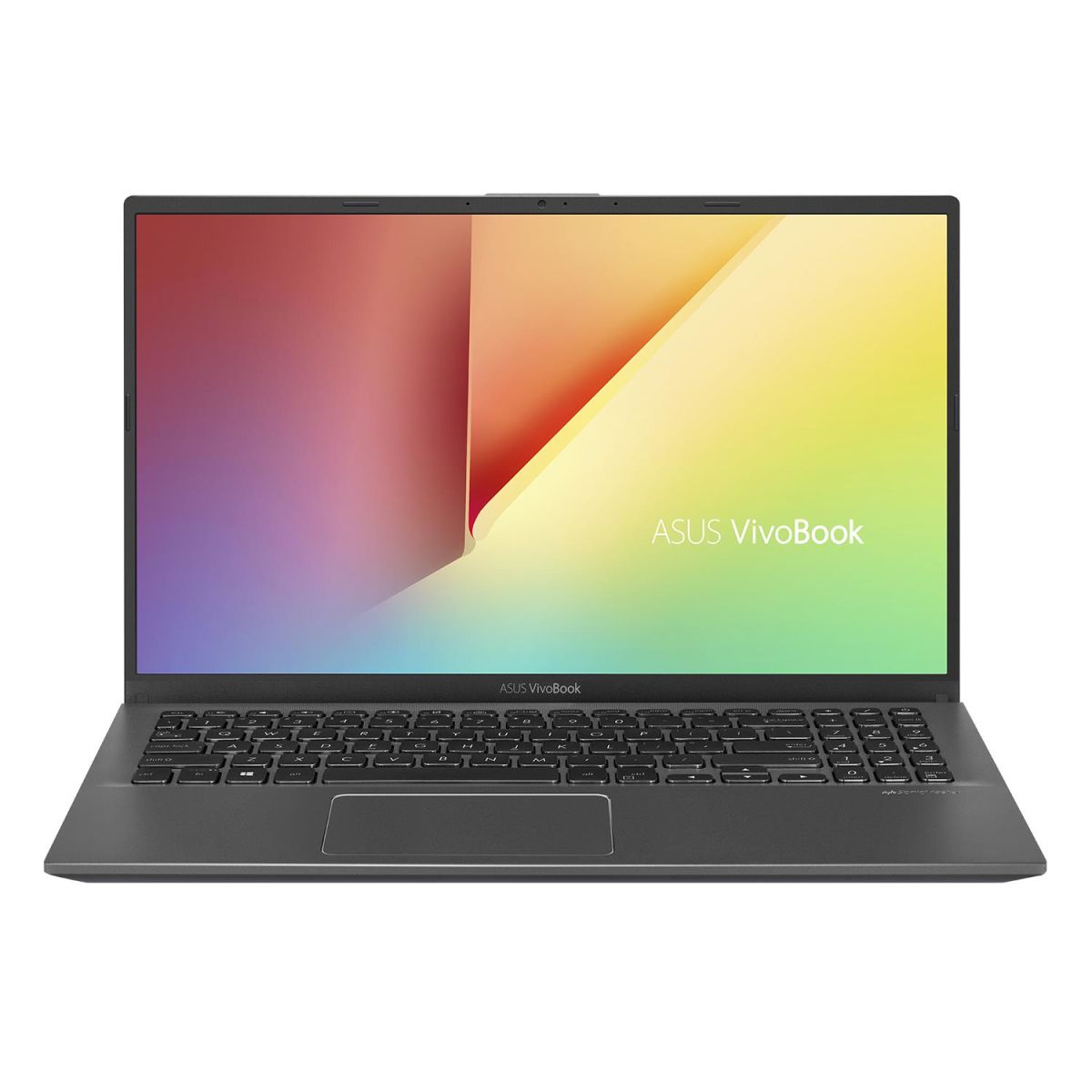



ASUS Vivobook 15 Series X512FL-BQ136T laptop features one DDR4-SDRAM SO-DIMM slot for memory upgrades. Specifications indicate maximum RAM capacity of 12 GB, compatible with 2400 MHz frequency modules. The upgrade configuration includes onboard memory plus expandable SO-DIMM slot. Current memory upgrade specifications support DDR4-SDRAM technology for compatible RAM modules meeting these specifications.
Memory Upgrade Specifications
| Specification | Value |
|---|---|
| Memory slots | 1x SO-DIMM |
| Form factor | On-board + SO-DIMM |
| Memory type | DDR4-SDRAM |
| Frequency | 2400 MHz |
| Maximum RAM | 12 GB |
| Voltage | 1.2V |
| Number of pins | 260-pin |
| Interface | PC4 |
| PC Speed Rating | PC4-2400 (PC4-19200) |
| Bandwidth | 19.2 GB/s |
| Laptop Release date | 07 August 2019 |
Additional Notes
- The ASUS Vivobook X512FL-BQ136T features a hybrid memory configuration with 1 soldered module and 1 user-accessible SO-DIMM slot, meaning only the SO-DIMM module can be replaced or upgraded without motherboard replacement.
- Maximum addressable memory of 12 GB indicates the on-board soldered module occupies 8 GB, leaving 4 GB as the ceiling for the SO-DIMM upgrade slot. Purchasing modules larger than 4 GB will not increase total system memory beyond this threshold.
- The 2400 MHz DDR4 specification establishes a hard frequency ceiling. Newer or higher-frequency DDR4 modules (3000 MHz, 3200 MHz) will operate at reduced 2400 MHz speeds, providing no performance benefit from premium specifications and introducing unnecessary cost.
- SO-DIMM compatibility is confined to laptop-grade memory form factors. Desktop DDR4 UDIMM modules are physically incompatible and cannot be forced into the slot without permanent hardware damage.
- The on-board soldered configuration means the initial memory installation is permanent. Warranty coverage for memory-related failures typically excludes soldered components, and desoldering procedures fall outside manufacturer-supported service paths.
- Bandwidth bottleneck exists at the SO-DIMM interface. Single-channel operation through the user-accessible slot may underutilize CPU bandwidth compared to dual-channel configurations, particularly during memory-intensive operations.