ASUS Vivobook X540UA-GQ957R RAM upgrade specifications
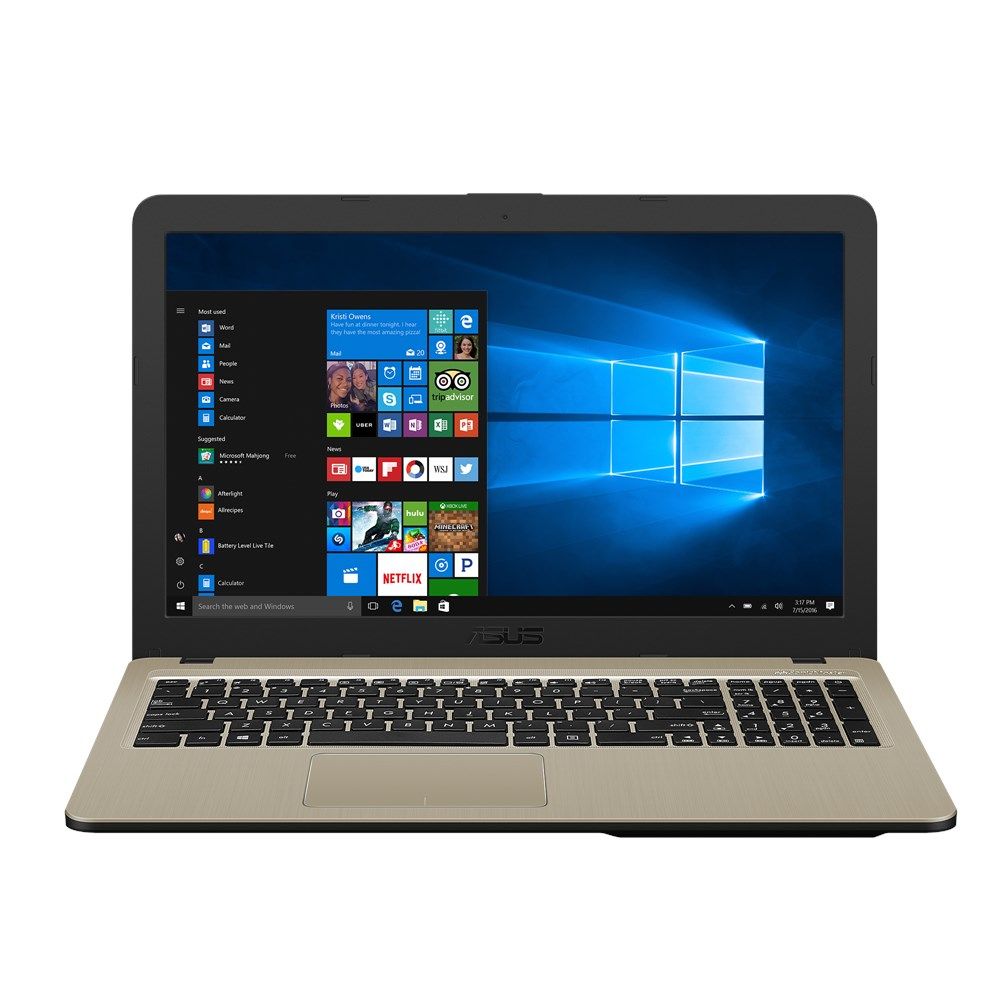
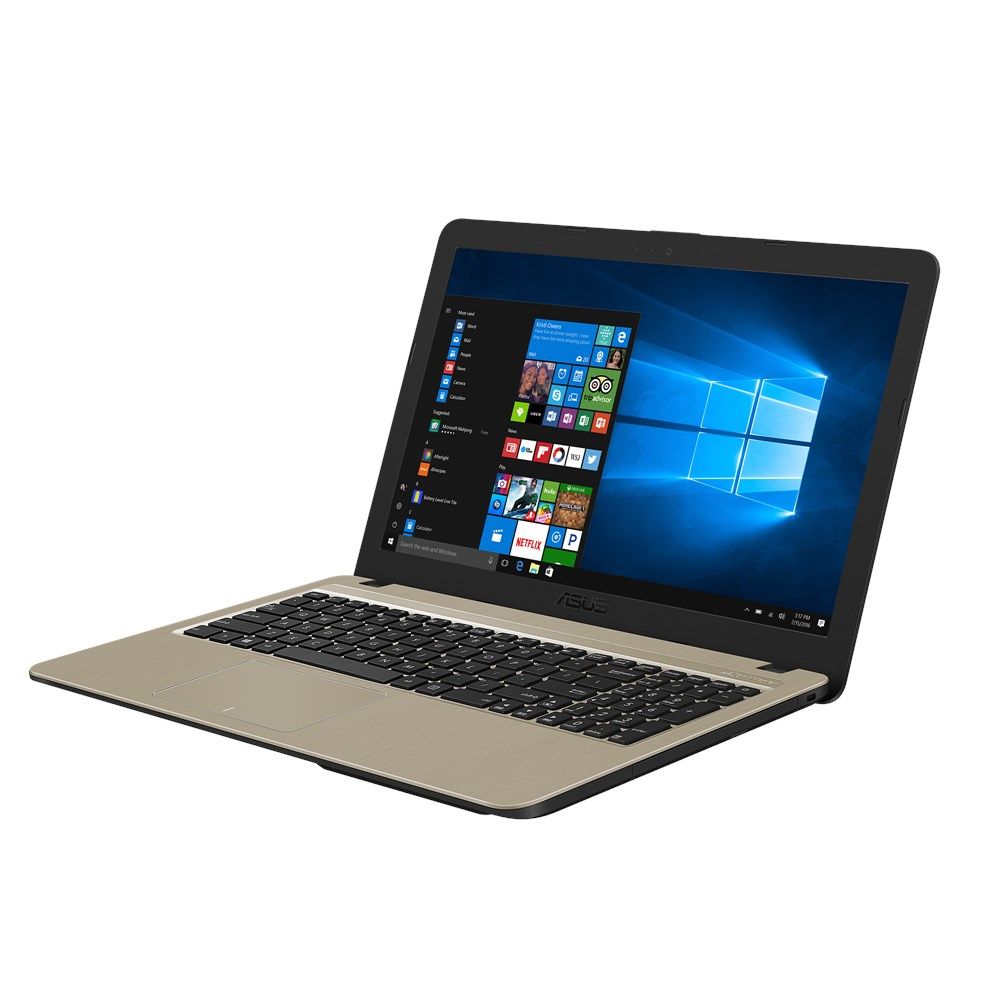
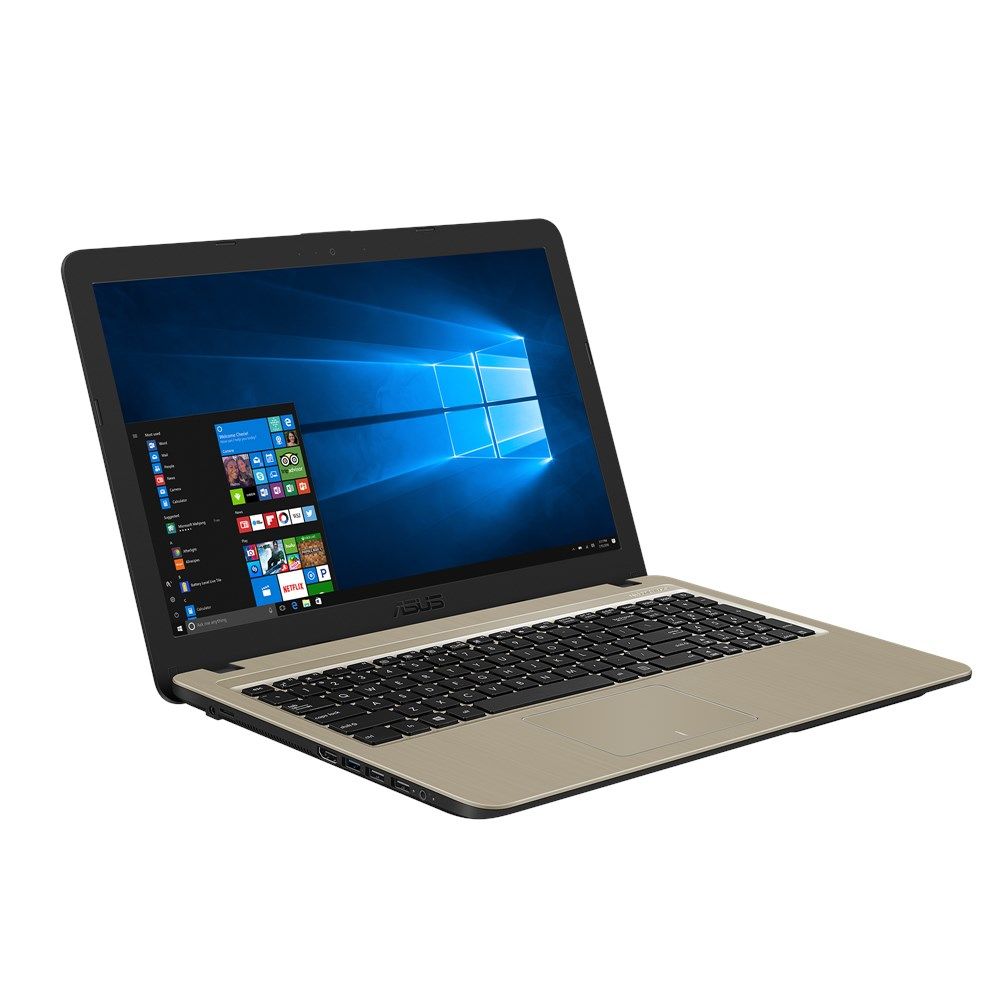
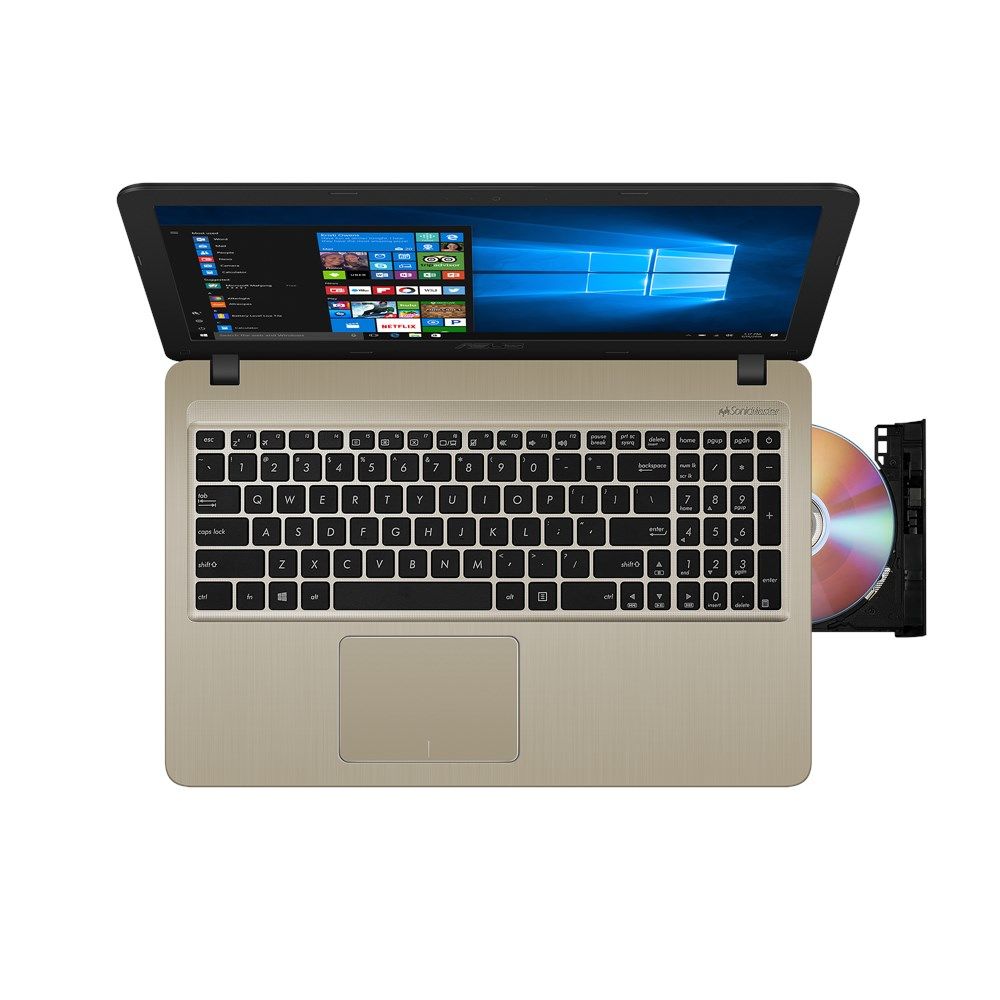
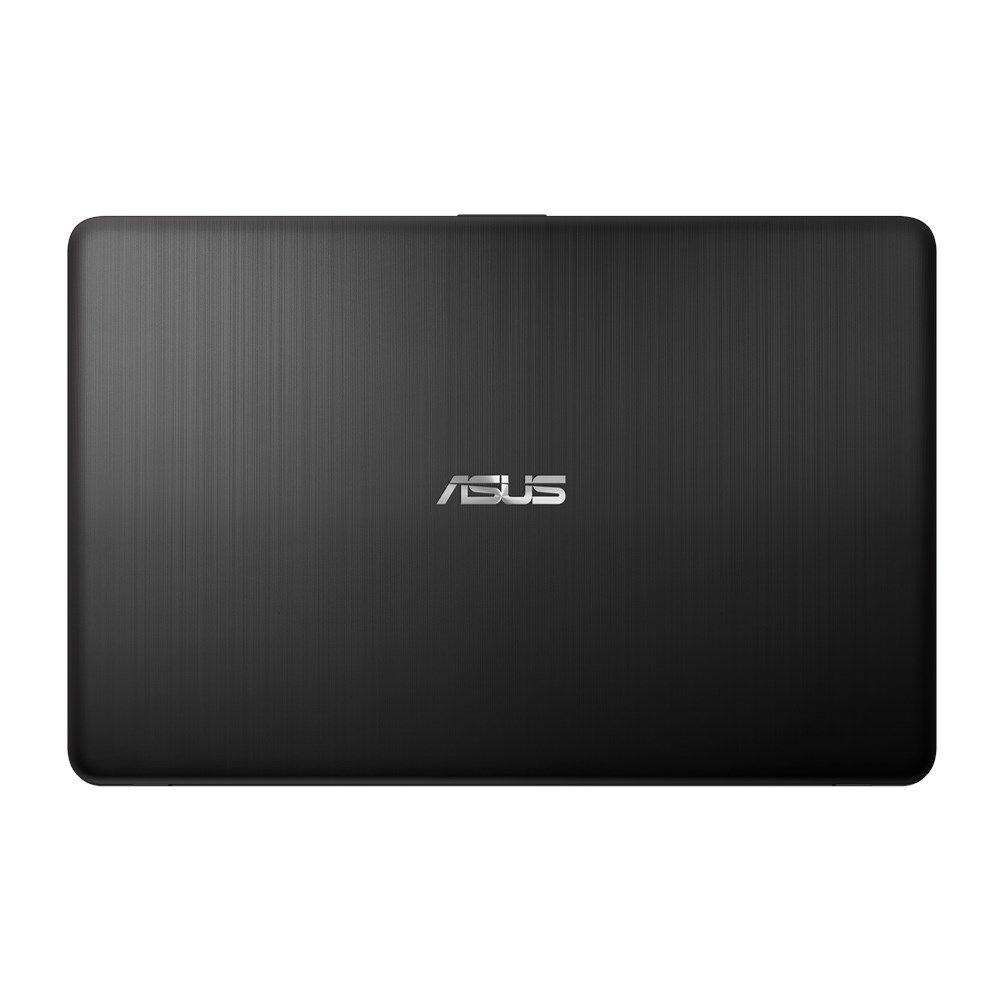
ASUS Vivobook 15 Series X540UA-GQ957R laptop features DDR4-SDRAM memory configuration with one SO-DIMM slot available for RAM upgrade. Maximum memory capacity reaches 12 GB total, combining onboard memory with SO-DIMM expansion slot. Compatible memory operates at 2133 MHz frequency. Upgrade specifications support DDR4-SDRAM modules in SO-DIMM form factor for enhanced system performance and multitasking capability.
Memory Upgrade Specifications
| Specification | Value |
|---|---|
| Memory slots | 1x SO-DIMM |
| Form factor | On-board + SO-DIMM |
| Memory type | DDR4-SDRAM |
| Frequency | 2133 MHz |
| Maximum RAM | 12 GB |
| Voltage | 1.2V |
| Number of pins | 260-pin |
| Interface | PC4 |
| PC Speed Rating | PC4-2133 (PC4-17064) |
| Bandwidth | 17.1 GB/s |
| Laptop Release date | 19 September 2018 |
Additional Notes
- The ASUS Vivobook X540UA-GQ957R contains soldered memory on the motherboard, restricting upgrade capacity to the single SO-DIMM slot alone. The 12 GB ceiling reflects a combination of fixed on-board memory plus the maximum 8 GB module supported in the accessible slot.
- DDR4-2133 MHz represents the baseline standard for this generation. Installing higher-frequency DDR4 modules will operate at 2133 MHz due to hardware controller limitations, eliminating performance gains from newer memory speeds and making premium-tier modules economically inefficient.
- SO-DIMM memory occupies a compact footprint beneath the palm rest or keyboard area. Physical clearance constraints may exist depending on internal layout; removal typically requires keyboard disassembly rather than accessing a dedicated memory compartment, increasing installation complexity and risk to adjacent components.
- The single upgrade slot creates a critical decision point: adding an 8 GB SO-DIMM results in asymmetrical dual-channel operation (one channel populated), reducing memory bandwidth efficiency compared to matched-pair configurations. This bottleneck intensifies under multithreaded workloads and large dataset processing.
- Warranty preservation requires verifying whether the manufacturer permits user memory installation without voiding coverage. Some models restrict modifications to authorized service centers, and thermal damage to nearby soldered components during DIY installation can trigger warranty claims denials.