ASUS Vivobook X540UA-GQ965T RAM upgrade specifications
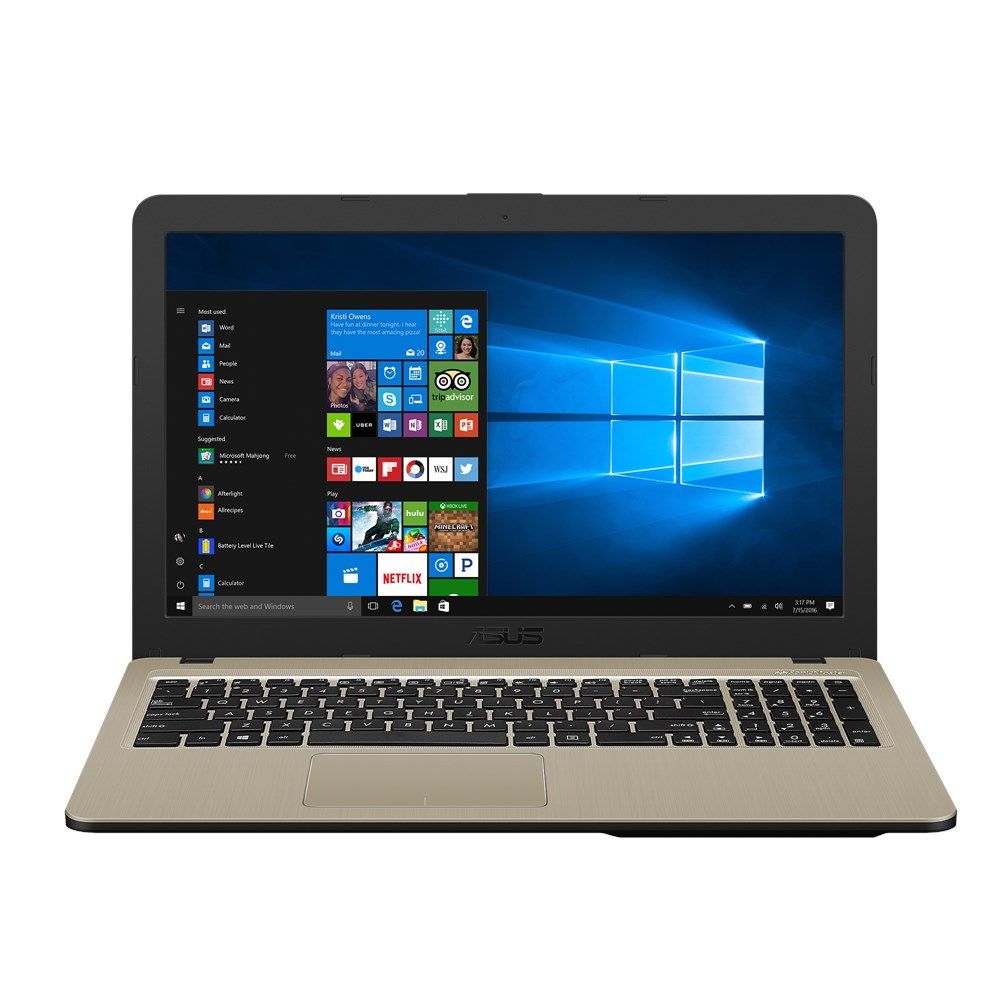
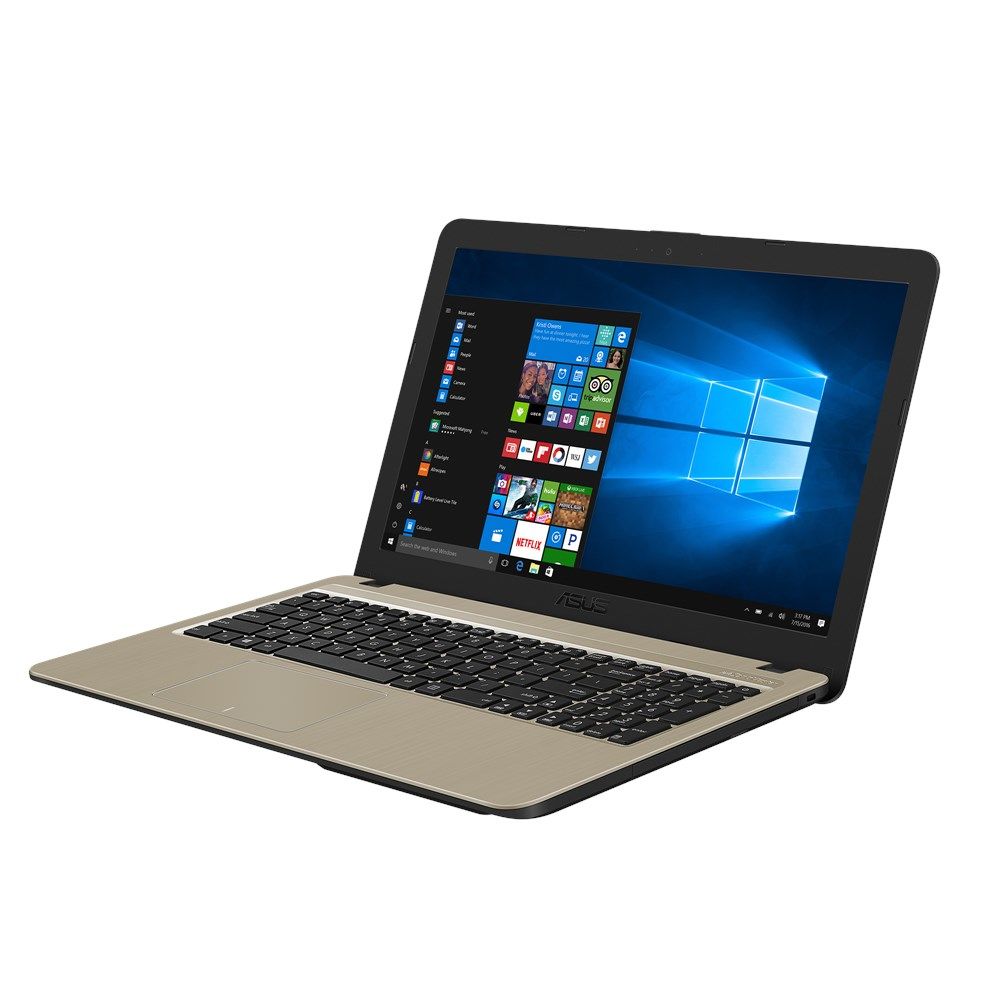
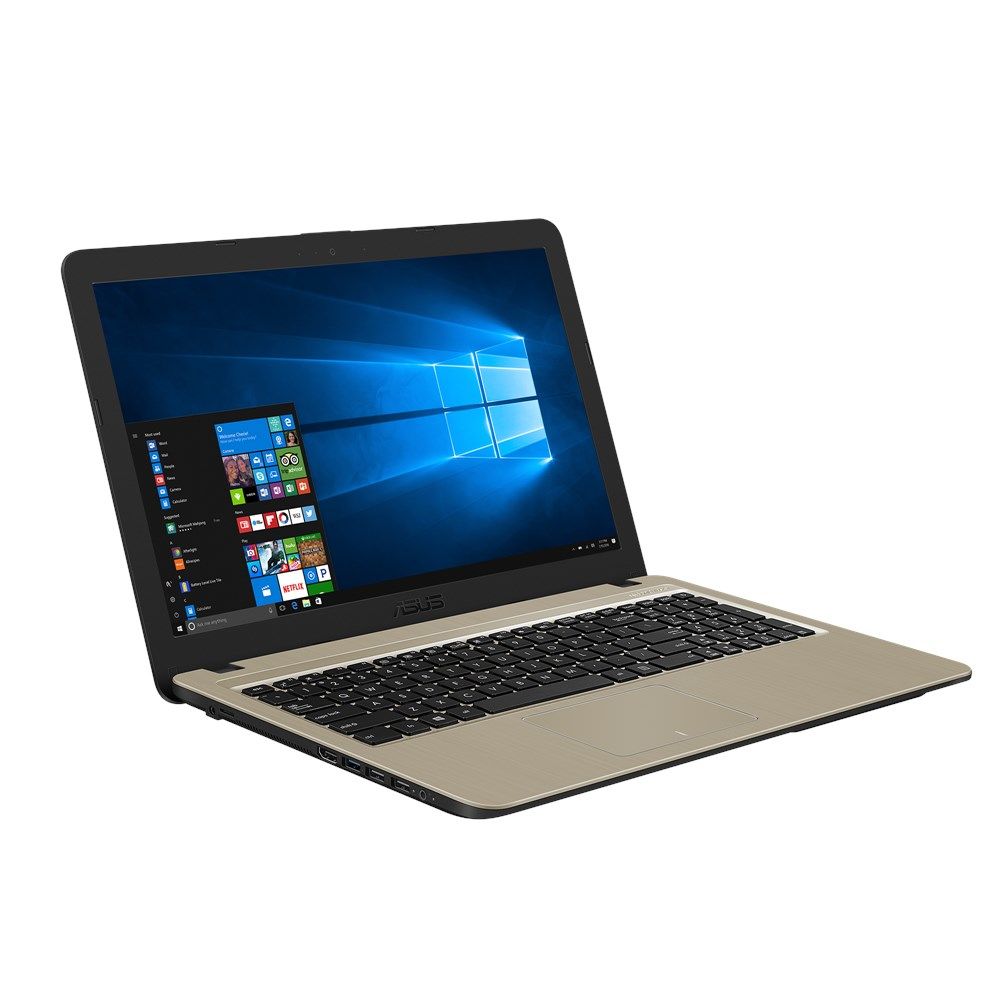
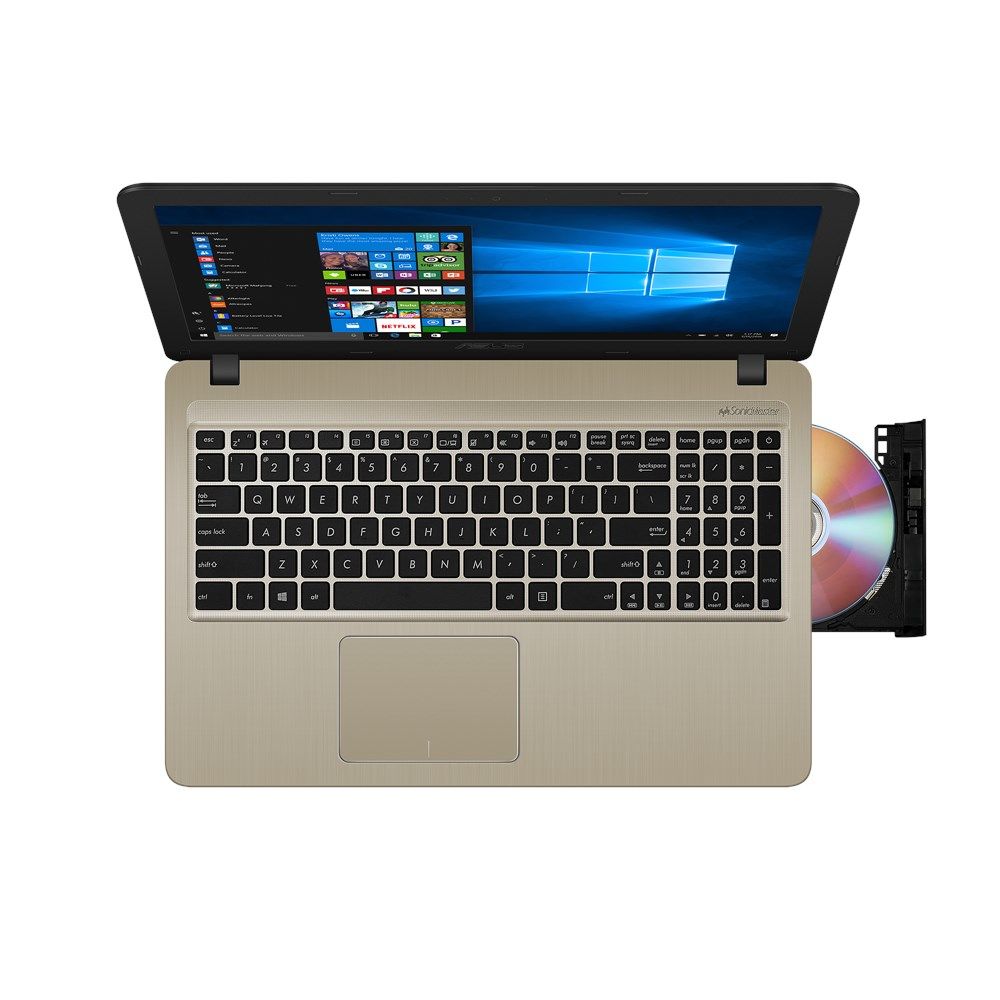

The ASUS Vivobook 15 Series X540UA-GQ965T supports DDR4-SDRAM memory upgrades with a maximum RAM capacity of 12 GB. The laptop features one SO-DIMM memory slot compatible with DDR4 modules operating at 2133 MHz frequency. The system includes onboard memory with one additional SO-DIMM slot available for upgrade. Compatible RAM specifications include DDR4-2133 SO-DIMM modules. Maximum memory configuration reaches 12 GB total capacity through the single upgrade slot.
Memory Upgrade Specifications
| Specification | Value |
|---|---|
| Memory slots | 1x SO-DIMM |
| Form factor | On-board + SO-DIMM |
| Memory type | DDR4-SDRAM |
| Frequency | 2133 MHz |
| Maximum RAM | 12 GB |
| Voltage | 1.2V |
| Number of pins | 260-pin |
| Interface | PC4 |
| PC Speed Rating | PC4-2133 (PC4-17064) |
| Bandwidth | 17.1 GB/s |
| Laptop Release date | 19 September 2018 |
Additional Notes
- The ASUS Vivobook X540UA-GQ965T features a hybrid memory architecture with a portion of RAM soldered directly to the motherboard, limiting total system capacity to 12 GB regardless of the installed module size.
- Only 1 accessible SO-DIMM slot exists for user upgrades, with the remaining memory permanently integrated into the logic board.
- Modules rated above 2133 MHz will automatically downclock to match the system's supported frequency, preventing utilization of higher-speed specifications.
- The 12 GB maximum suggests a configuration with either 4 GB or 8 GB soldered memory, determining that the SO-DIMM slot accepts either an 8 GB or 4 GB module respectively to reach the ceiling.
- DDR4 SO-DIMM modules operating at 2400 MHz, 2666 MHz, or 3200 MHz remain physically compatible but deliver no performance advantage over specification-compliant 2133 MHz modules.
- The single-channel memory subsystem inherent to this configuration eliminates dual-channel bandwidth benefits, halving potential throughput compared to systems with paired modules.
- Upgrading requires identifying the soldered memory capacity before purchase, as installing a module that exceeds the effective remaining capacity wastes the unused portion beyond the 12 GB threshold.
- Non-standard memory ceilings like 12 GB typically indicate cost-optimized designs where onboard memory cannot be replaced if defective without motherboard-level repairs.
- CAS latency variations within DDR4-2133 modules produce minimal real-world impact in this configuration due to the frequency lock and single-channel limitation.
- Warranty preservation requires avoiding physical damage to the SO-DIMM slot retention clips and ensuring proper module seating without excessive force during installation.