ASUS Vivobook X542UF-DM042T RAM upgrade specifications
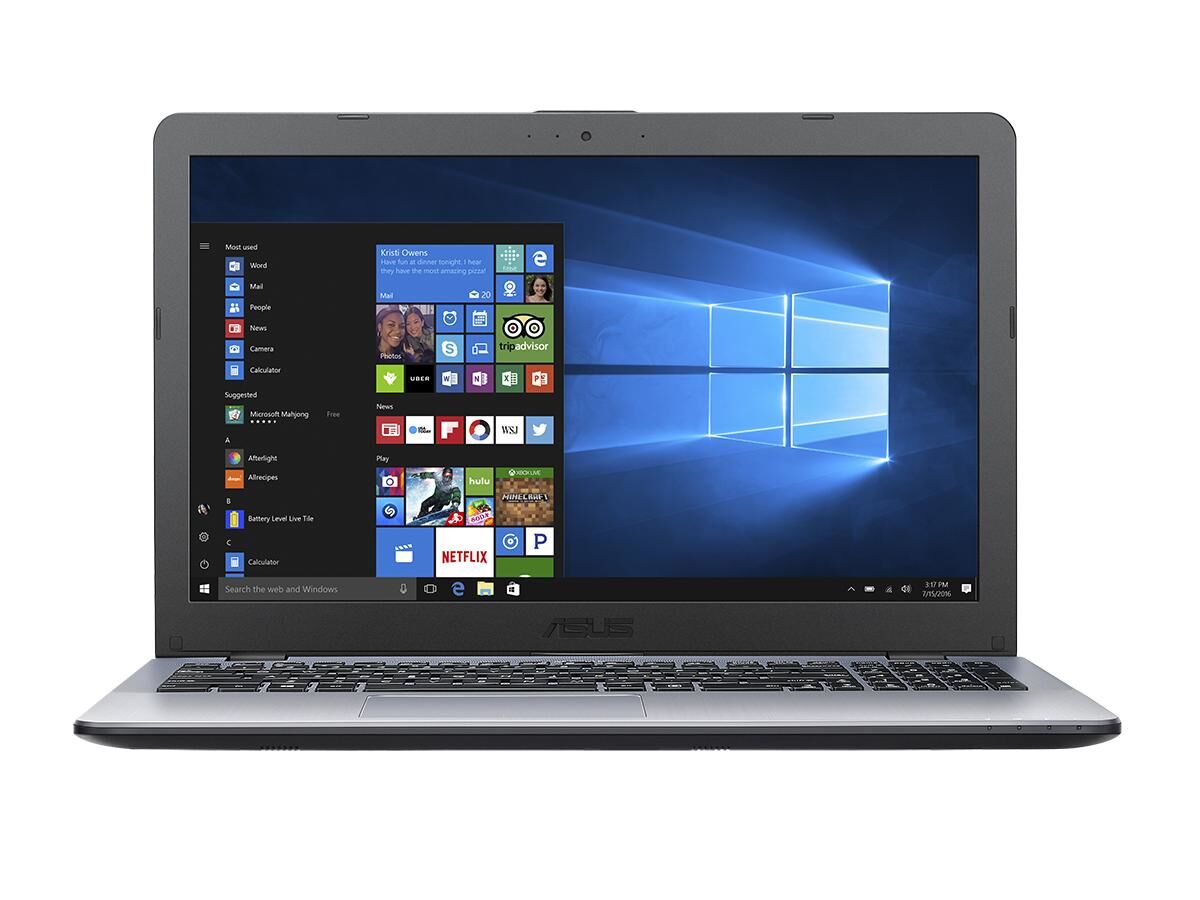
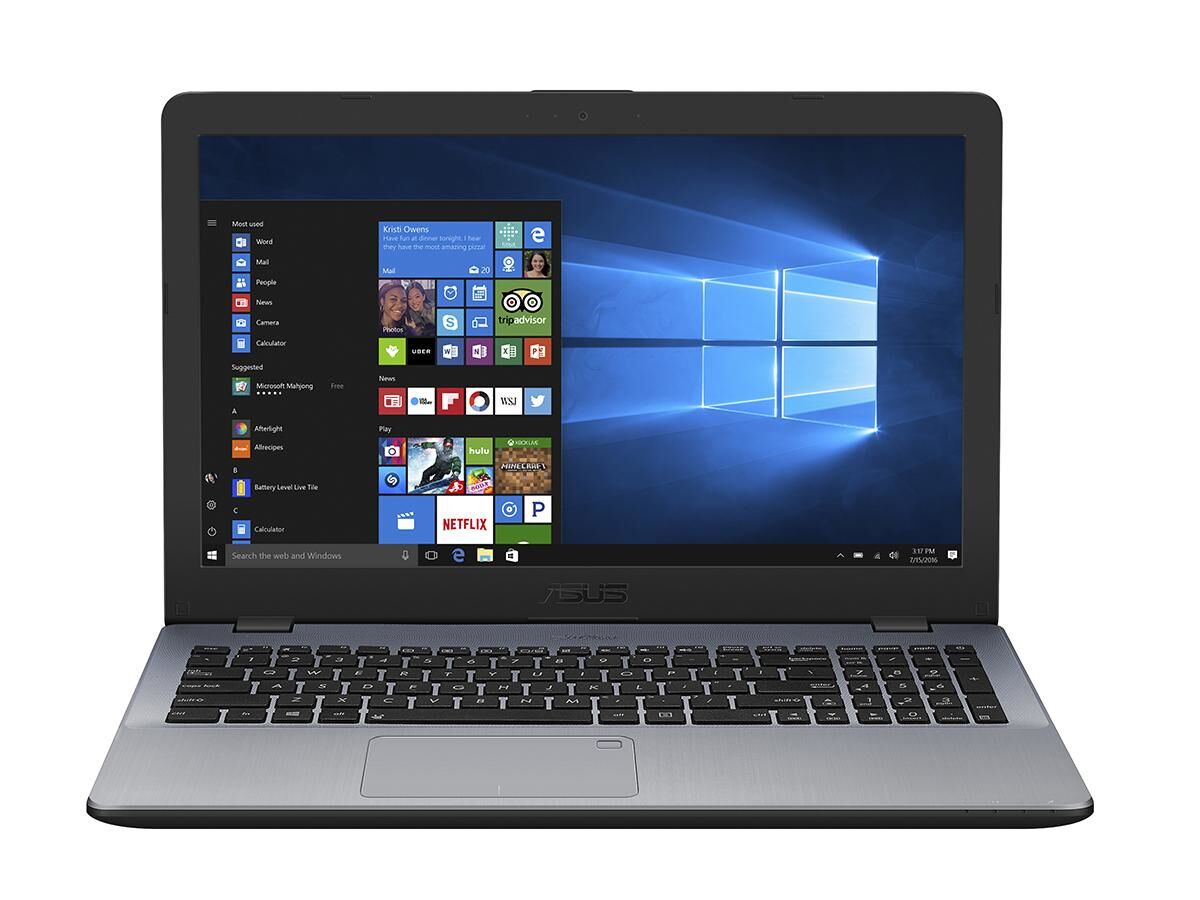
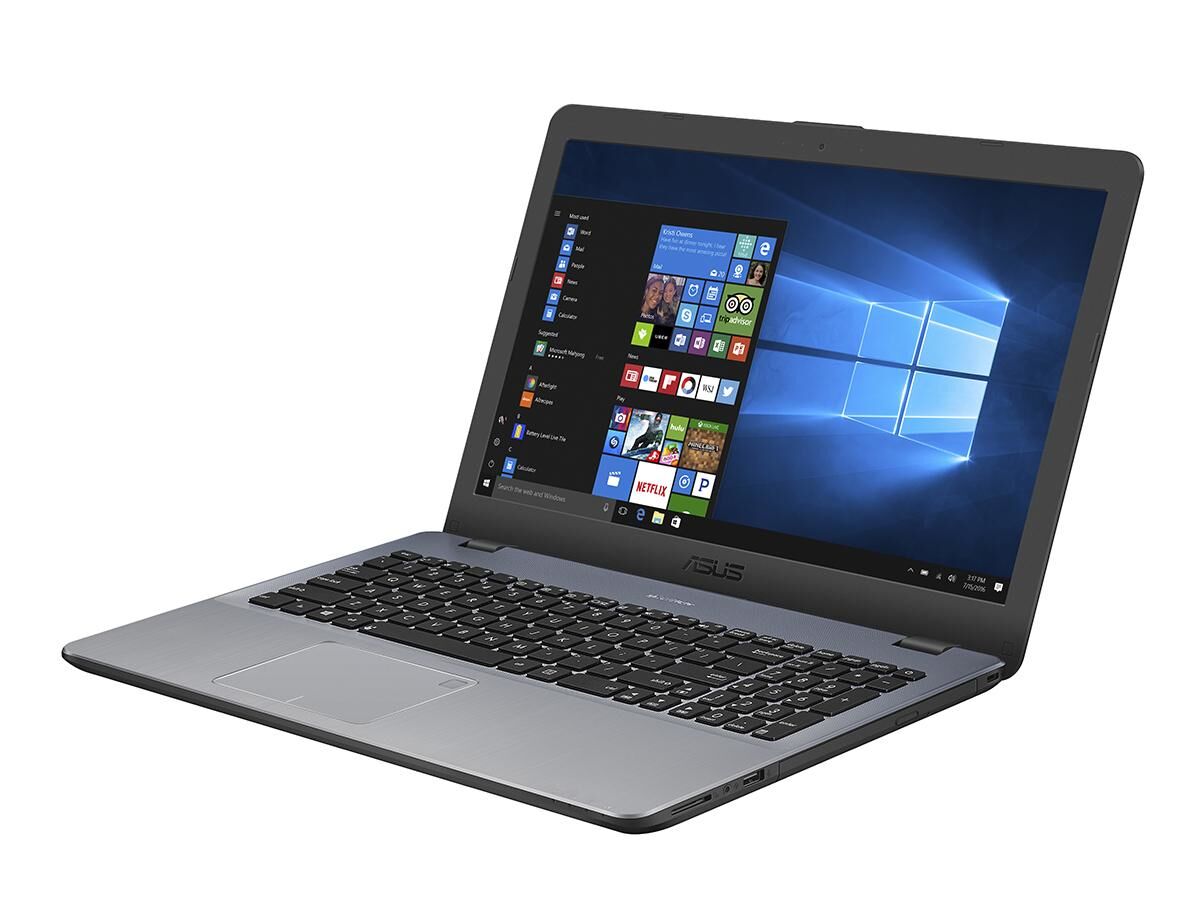
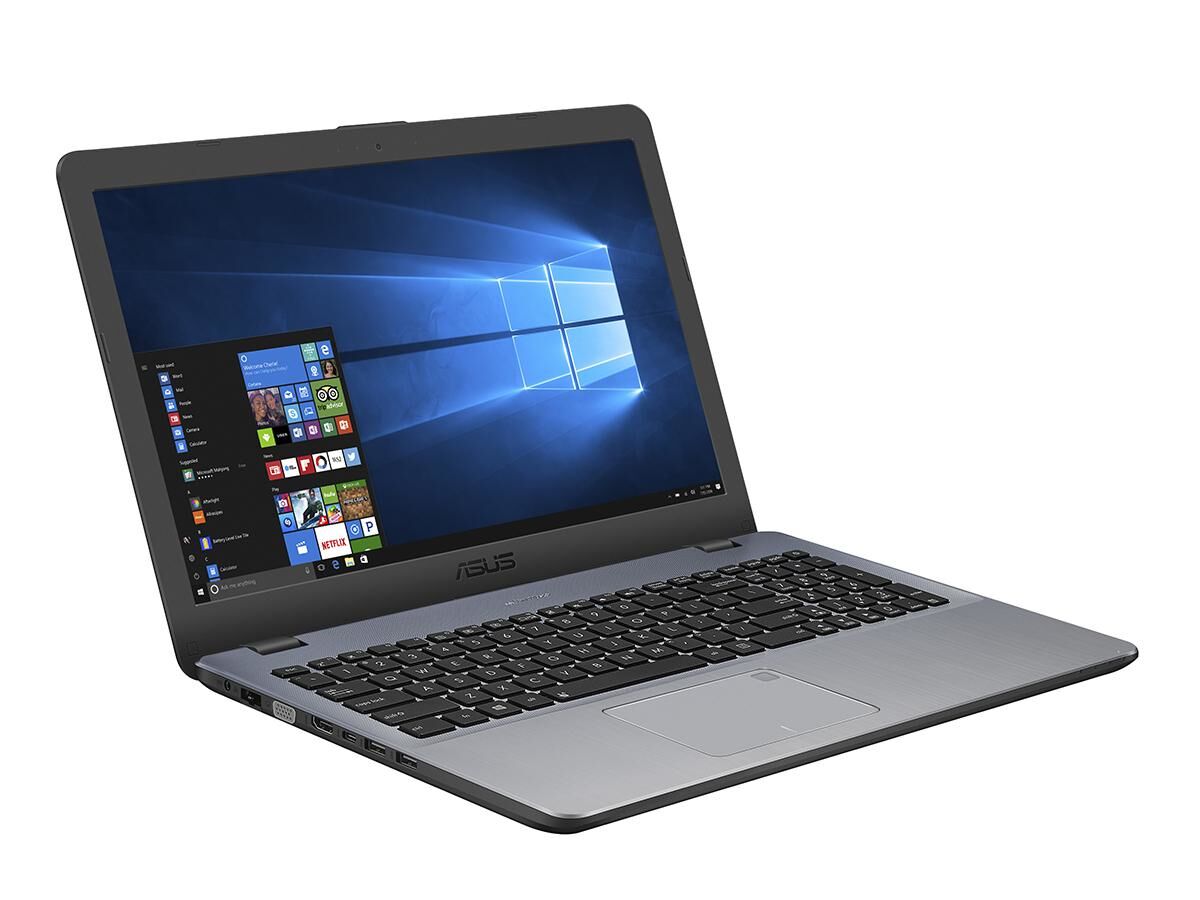
ASUS Vivobook 15 Series X542UF-DM042T supports DDR4-SDRAM memory upgrades via 2x SO-DIMM slots. Maximum RAM capacity reaches 16 GB total. Compatible memory operates at 2133 MHz frequency with SO-DIMM form factor. Specifications allow users to upgrade existing memory configuration up to the maximum supported capacity. Current memory slots accommodate compatible DDR4 modules meeting these specifications.
Memory Upgrade Specifications
| Specification | Value |
|---|---|
| Memory slots | 2x SO-DIMM |
| Form factor | SO-DIMM |
| Memory type | DDR4-SDRAM |
| Frequency | 2133 MHz |
| Maximum RAM | 16 GB |
| Voltage | 1.2V |
| Number of pins | 260-pin |
| Interface | PC4 |
| PC Speed Rating | PC4-2133 (PC4-17064) |
| Bandwidth | 17.1 GB/s |
| Laptop Release date | 07 November 2019 |
Additional Notes
- The ASUS Vivobook X542UF-DM042T uses standard notebook-sized modules, which eliminates compatibility with desktop memory despite sharing DDR4 technology.
- The 16 GB ceiling limits professional workloads requiring larger datasets, such as virtual machine allocation beyond basic configurations or simultaneous processing of high-resolution media files.
- Dual-channel architecture becomes accessible only when populating both slots with matched modules, directly affecting memory bandwidth for integrated graphics performance.
- The 2133 MHz specification represents JEDEC standard speed, meaning modules rated at higher frequencies will downclock automatically to match the controller's maximum supported rate.
- Single-slot population preserves one expansion position for future capacity increases without requiring module replacement, though this approach sacrifices immediate bandwidth advantages.
- Non-ECC architecture prevents error-correcting code functionality, which restricts deployment in applications demanding memory integrity verification.
- The SO-DIMM form factor requires access to the bottom chassis panel, and some manufacturers void warranties when users break security seals during self-installation.
- Mixing modules with different densities across the 2 slots can force single-channel operation or cause POST failures depending on controller flexibility.
- Operating voltage standardizes at 1.2V for DDR4, which prevents compatibility with DDR3L modules despite physical similarity in some connector designs.
- Maximum capacity per slot calculates to 8 GB when distributed evenly, meaning 16 GB configurations require two 8 GB modules rather than asymmetric arrangements.