ASUS Vivobook M712DA-AU183T RAM upgrade specifications
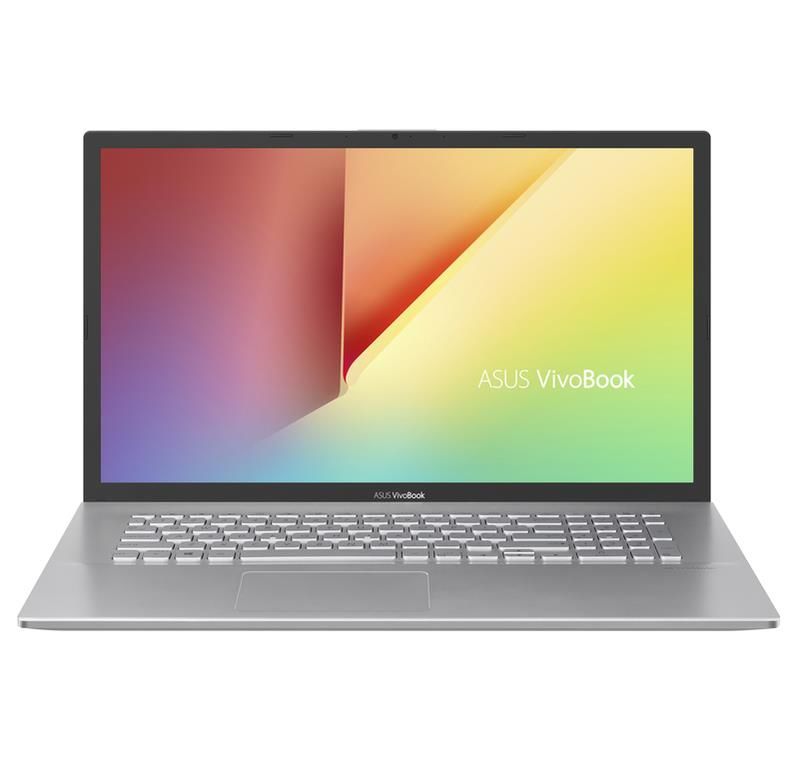

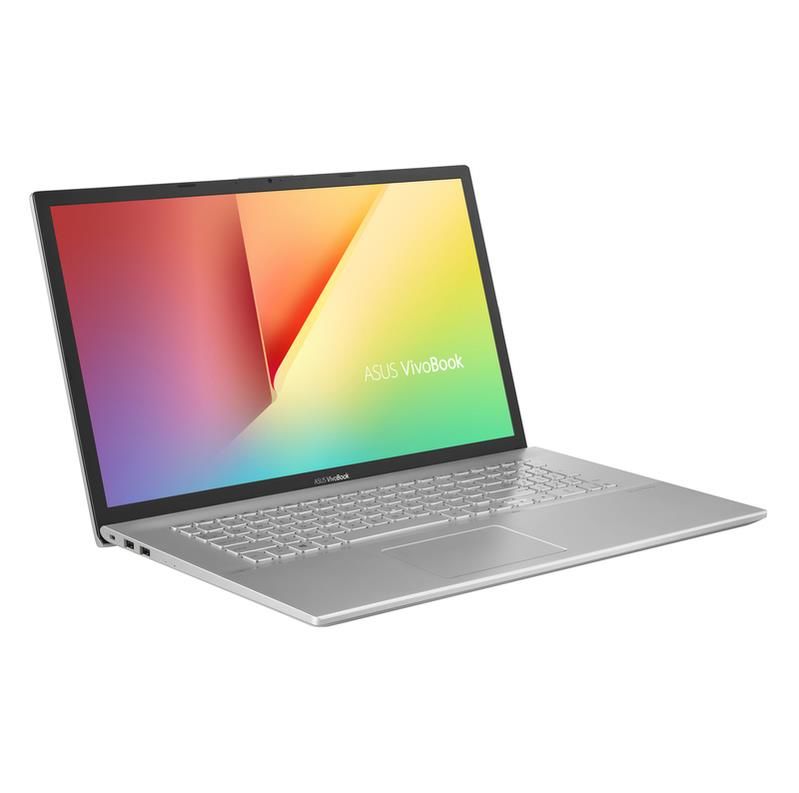
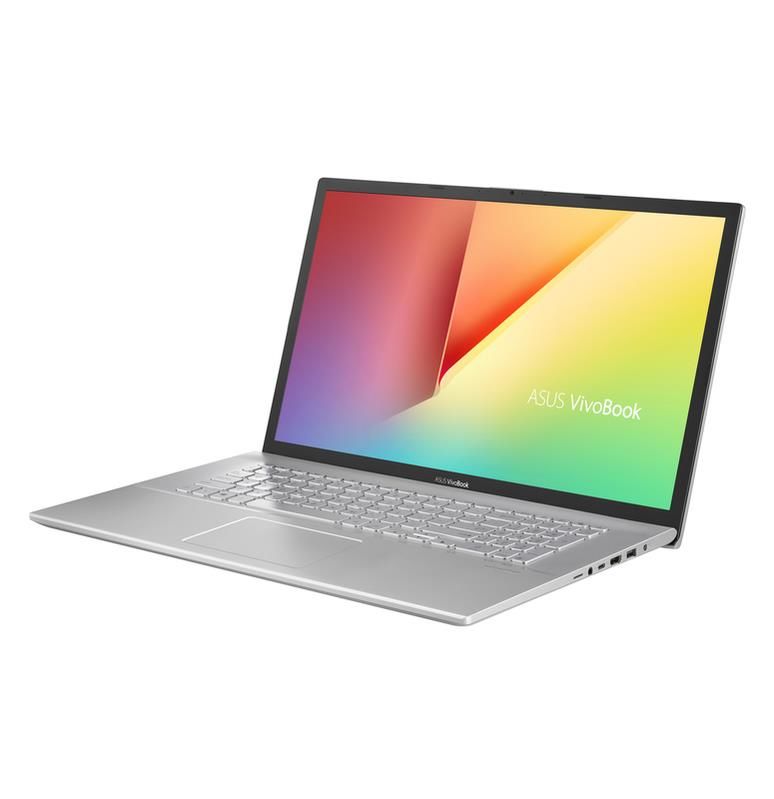

The ASUS Vivobook 17 Series M712DA-AU183T features DDR4-SDRAM memory upgrade specifications. The laptop contains one SO-DIMM slot available for RAM expansion, with a maximum memory capacity of 12 GB. The upgrade specifications indicate DDR4 memory operating at 2400 MHz frequency. The memory configuration utilizes on-board RAM combined with a single SO-DIMM slot for compatible RAM upgrades. Maximum RAM capacity specifications for the M712DA-AU183T laptop model supports up to 12 GB total memory across both upgrade slots.
Memory Upgrade Specifications
| Specification | Value |
|---|---|
| Memory slots | 1x SO-DIMM |
| Form factor | On-board + SO-DIMM |
| Memory type | DDR4-SDRAM |
| Frequency | 2400 MHz |
| Maximum RAM | 12 GB |
| Voltage | 1.2V |
| Number of pins | 260-pin |
| Interface | PC4 |
| PC Speed Rating | PC4-2400 (PC4-19200) |
| Bandwidth | 19.2 GB/s |
| Laptop Release date | 07 March 2020 |
Additional Notes
- The ASUS Vivobook M712DA-AU183T combines soldered memory with a single expansion slot, limiting total capacity to 12 GB due to chipset or BIOS restrictions rather than physical slot availability.
- The on-board plus SO-DIMM configuration indicates permanent factory-installed RAM that cannot be removed or replaced, restricting upgrade options to adding a module in the available slot.
- Achieving the 12 GB maximum requires calculating the soldered capacity first, then selecting a compatible SO-DIMM module that reaches but does not exceed the system ceiling when combined.
- Exceeding the 12 GB threshold may result in POST failure, unrecognized capacity, or system instability regardless of module specifications.
- The 2400 MHz frequency represents the highest supported speed, meaning faster modules will downclock to this rate, offering no performance advantage over specification-matched alternatives.
- Installing mismatched frequencies between soldered and SO-DIMM memory forces both to operate at the lower speed, potentially reducing dual-channel bandwidth if asymmetric configurations disrupt interleaving.
- The single SO-DIMM slot eliminates traditional dual-channel expansion, though some systems achieve partial dual-channel operation when the SO-DIMM capacity matches the soldered amount.
- DDR4-SDRAM SO-DIMM modules require 260-pin connectors, making standard 288-pin desktop DIMMs physically incompatible regardless of speed or capacity specifications.
- Warranty preservation typically requires non-destructive installation, which the SO-DIMM slot allows, while any attempt to modify soldered components would void coverage.
- Thermal considerations may arise if the added module increases total power draw beyond factory cooling design, particularly under sustained memory-intensive workloads.
- Voltage compatibility remains critical as DDR4 operates at 1.2V standard, and higher-voltage modules marketed for overclocking may cause stability issues in laptops with locked voltage controllers.