ASUS Vivobook S412FA-EB025T RAM upgrade specifications




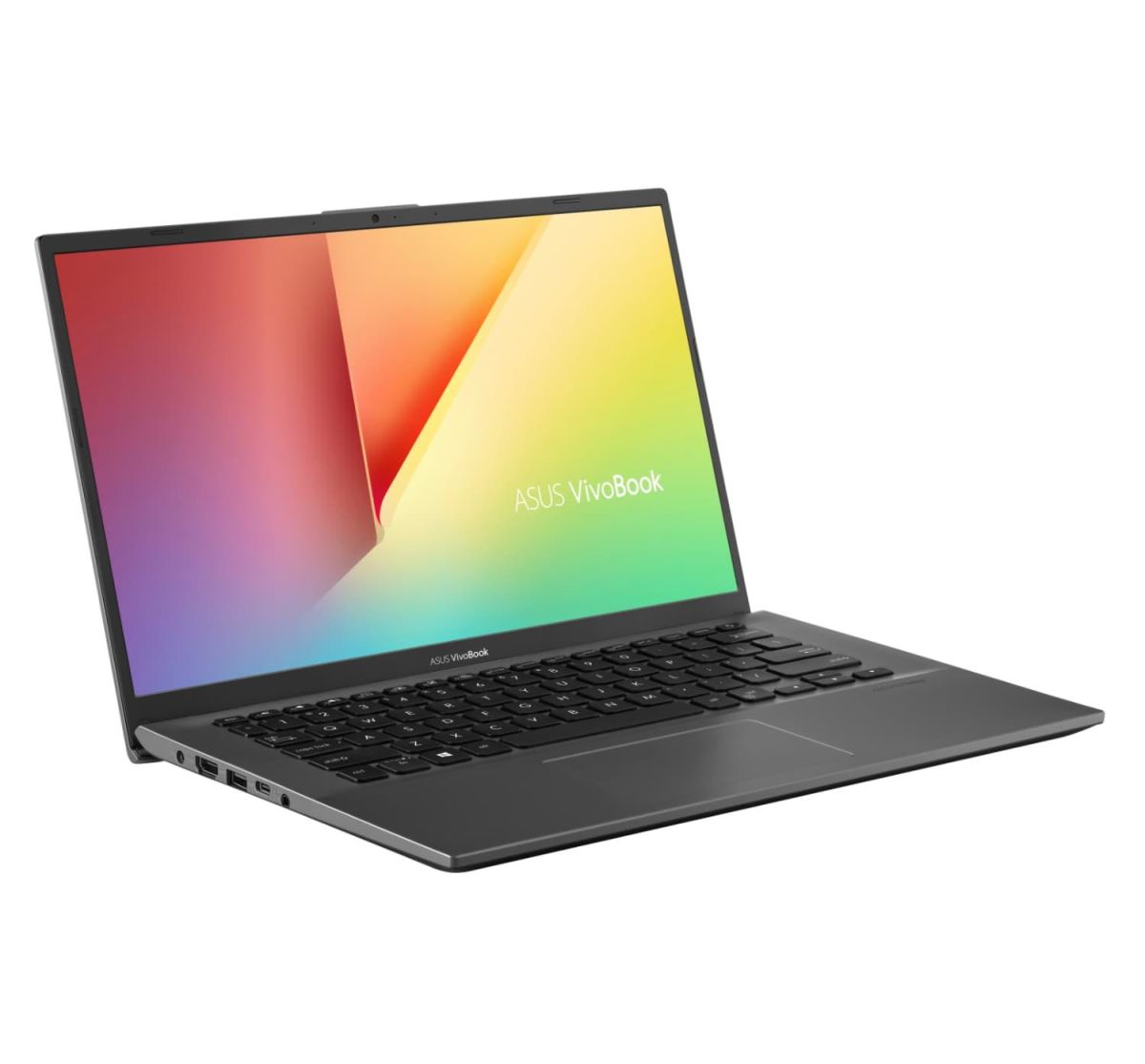
The ASUS Vivobook S14 S412FA-EB025T contains DDR4-SDRAM memory with one SO-DIMM slot available for RAM upgrade. The laptop features on-board memory combined with expandable SO-DIMM slots, supporting maximum capacity of 12 GB. Compatible memory modules operate at 2400 MHz frequency. The specifications indicate the upgrade slot accommodates additional DDR4-SDRAM to enhance system performance and multitasking capabilities on this S14 series model.
Memory Upgrade Specifications
| Specification | Value |
|---|---|
| Memory slots | 1x SO-DIMM |
| Form factor | On-board + SO-DIMM |
| Memory type | DDR4-SDRAM |
| Frequency | 2400 MHz |
| Maximum RAM | 12 GB |
| Voltage | 1.2V |
| Number of pins | 260-pin |
| Interface | PC4 |
| PC Speed Rating | PC4-2400 (PC4-19200) |
| Bandwidth | 19.2 GB/s |
| Laptop Release date | 05 November 2019 |
Additional Notes
- The ASUS Vivobook S412FA-EB025T contains soldered memory on the motherboard, meaning only 1 SO-DIMM slot remains accessible for upgrades, capping total capacity at 12 GB regardless of replacement module density.
- DDR4-2400 MHz specification indicates the system operates at a reduced frequency tier; upgrading to faster DDR4 modules (3200 MHz or higher) will downclock to the native 2400 MHz speed, eliminating any performance gain from premium memory.
- The single SO-DIMM slot creates a bandwidth bottleneck during memory-intensive operations compared to dual-channel configurations; performance scaling from additional RAM plateaus once the soldered portion reaches saturation.
- Warranty retention requires SO-DIMM replacement only; swapping the soldered memory component voids manufacturer coverage, effectively preventing any upgrade of the on-board portion.
- Maximum 12 GB total RAM constrains workload capacity for concurrent applications, video editing, and virtual machine deployments, creating processing delays when storage spilling to disk occurs.
- SO-DIMM modules rated for DDR4-2400 MHz operate at reduced availability in the current retail market, potentially increasing replacement costs or requiring purchase of oversized modules that operate underclocked.