DELL Inspiron 7573 RAM upgrade specifications
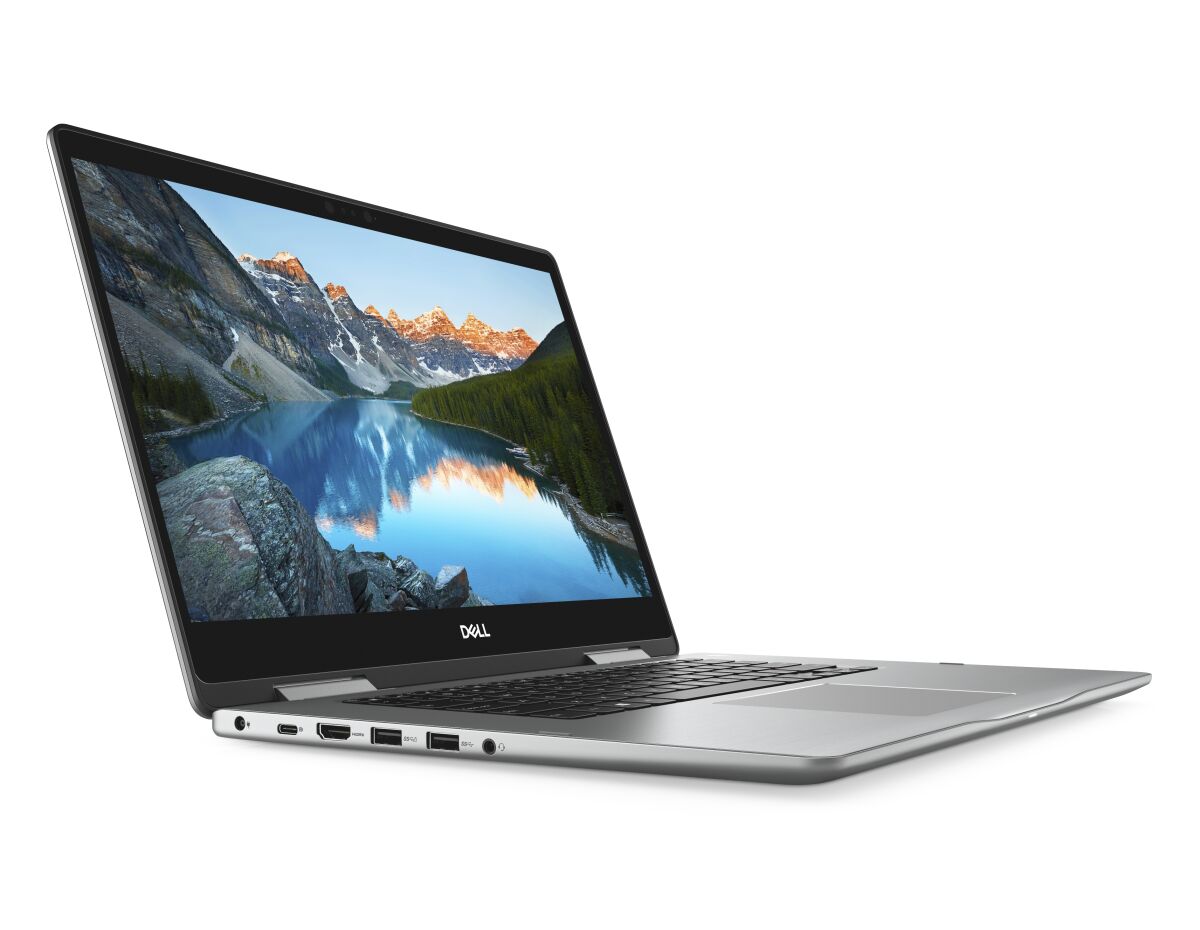


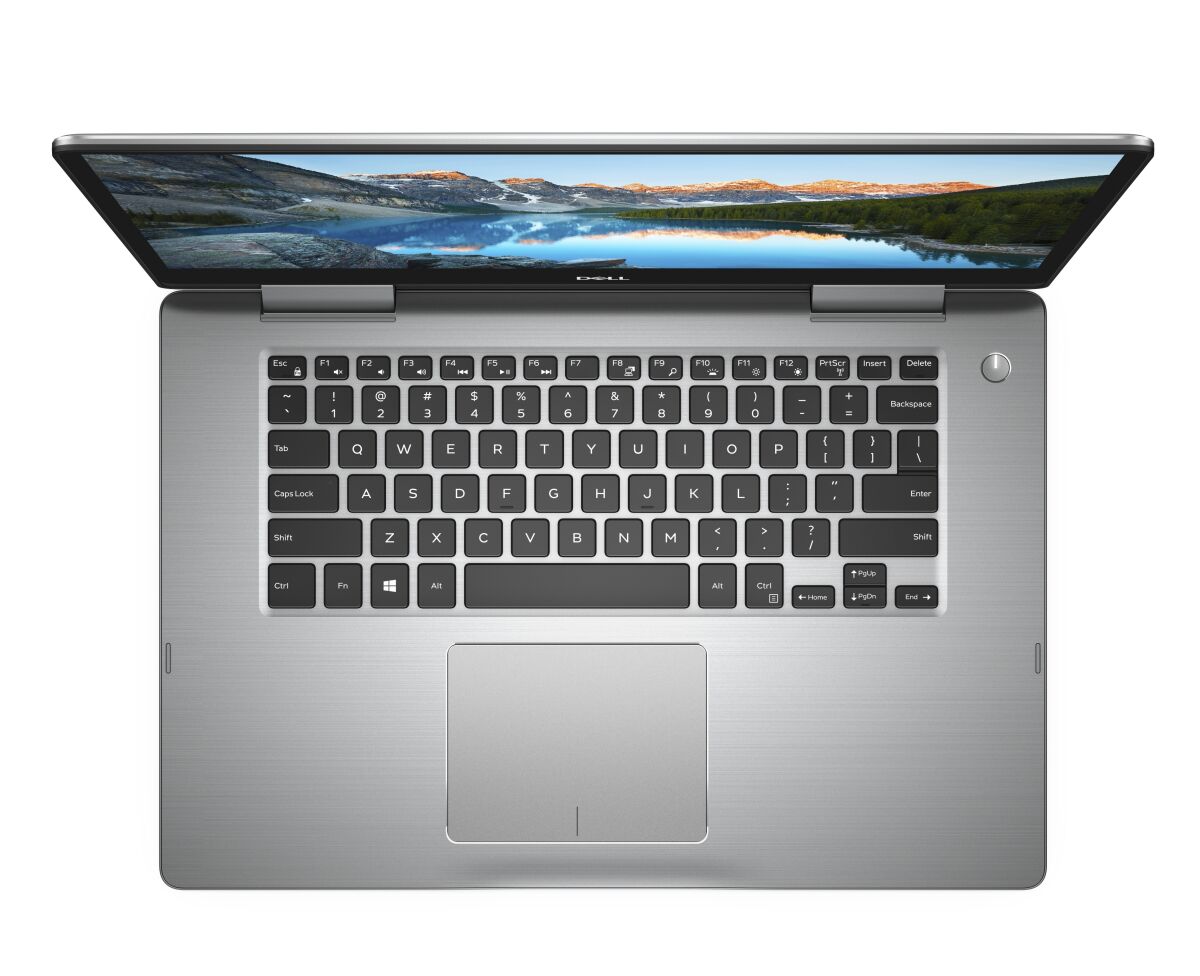

The Dell Inspiron 7000 series model 7573 supports DDR4-SDRAM memory upgrades with specifications compatible with 2x SO-DIMM slots. Maximum RAM capacity reaches 32 GB total, operating at 2400 MHz frequency. The laptop accepts SO-DIMM form factor memory modules for upgrade configurations. Current memory slots allow dual-channel memory installation, enabling users to expand system memory capacity up to the specified maximum limits. Replacement and upgrade procedures require compatible DDR4-SDRAM modules meeting the frequency and form factor specifications outlined for this particular model.
Memory Upgrade Specifications
| Specification | Value |
|---|---|
| Memory slots | 2x SO-DIMM |
| Form factor | SO-DIMM |
| Memory type | DDR4-SDRAM |
| Frequency | 2400 MHz |
| Maximum RAM | 32 GB |
| Voltage | 1.2V |
| Number of pins | 260-pin |
| Interface | PC4 |
| PC Speed Rating | PC4-2400 (PC4-19200) |
| Bandwidth | 19.2 GB/s |
| Laptop Release date | 15 May 2019 |
Additional Notes
- The DELL Inspiron 7573 relies on DDR4 SO-DIMM modules, which are physically incompatible with older DDR3 or newer DDR5 form factors due to different notch positions and voltage requirements.
- The 2400 MHz frequency specification indicates PC4-19200 transfer rates, delivering a theoretical maximum bandwidth of 19.2 GB/s per module in dual-channel configuration.
- Accessing the 2 SO-DIMM slots typically requires removing the bottom panel, which may involve breaking factory seals that could affect warranty coverage depending on regional consumer protection laws.
- The 32 GB maximum capacity constraint suggests chipset or BIOS limitations, meaning that installing higher-density modules beyond 16 GB per slot will either fail to boot or operate at reduced capacity.
- Dual-channel memory architecture requires matched pairs for optimal performance, as mixing different speeds or capacities will force the faster module to downclock to match the slower one.
- Operating voltage for DDR4-2400 modules standardizes at 1.2V, and higher-voltage variants designed for overclocking may cause stability issues or prevent the system from posting.
- The 2400 MHz specification represents JEDEC standard speeds, meaning modules rated at higher frequencies like 2666 MHz or 3200 MHz will automatically downclock to 2400 MHz without performance benefit.
- SO-DIMM module height restrictions generally permit low-profile heat spreaders, but taller gaming-oriented designs may create clearance conflicts with the keyboard assembly.
- Single-channel operation using only 1 populated slot will halve memory bandwidth, creating performance bottlenecks in graphics-intensive applications that rely on integrated GPU resources.
- ECC memory compatibility is typically absent in consumer-grade Inspiron models, making registered or buffered modules incompatible despite matching DDR4 specifications.