DELL Precision 7560 RAM upgrade specifications
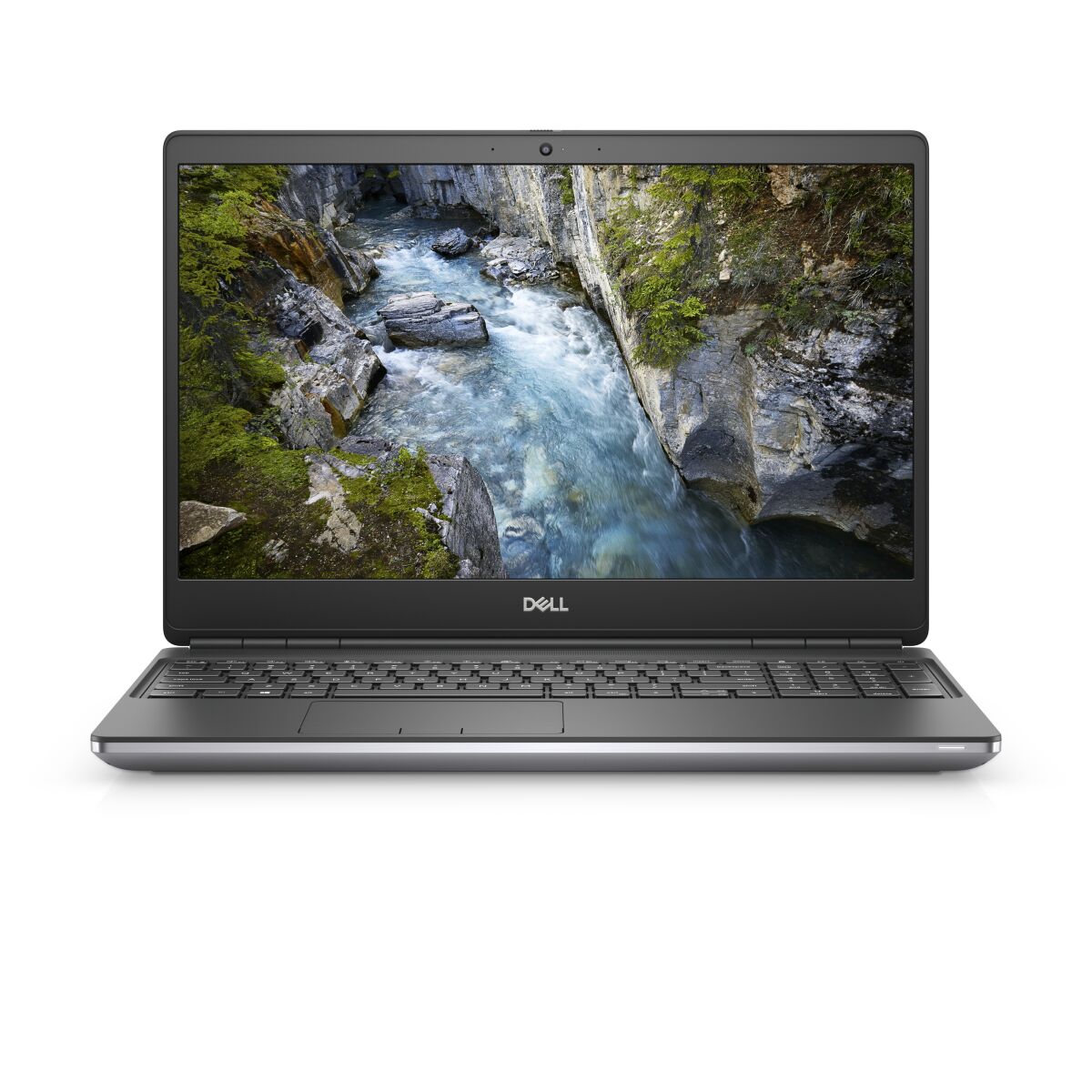

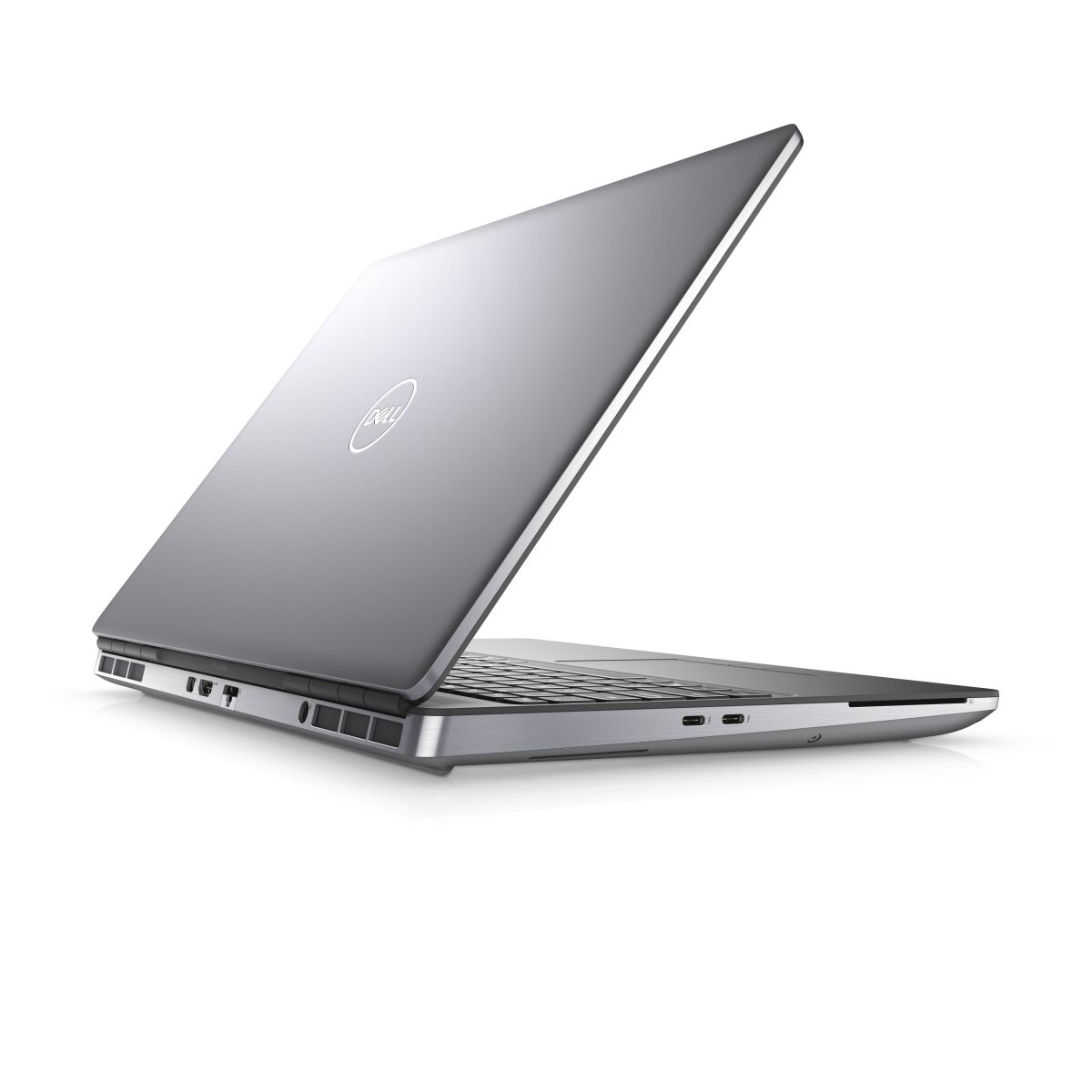
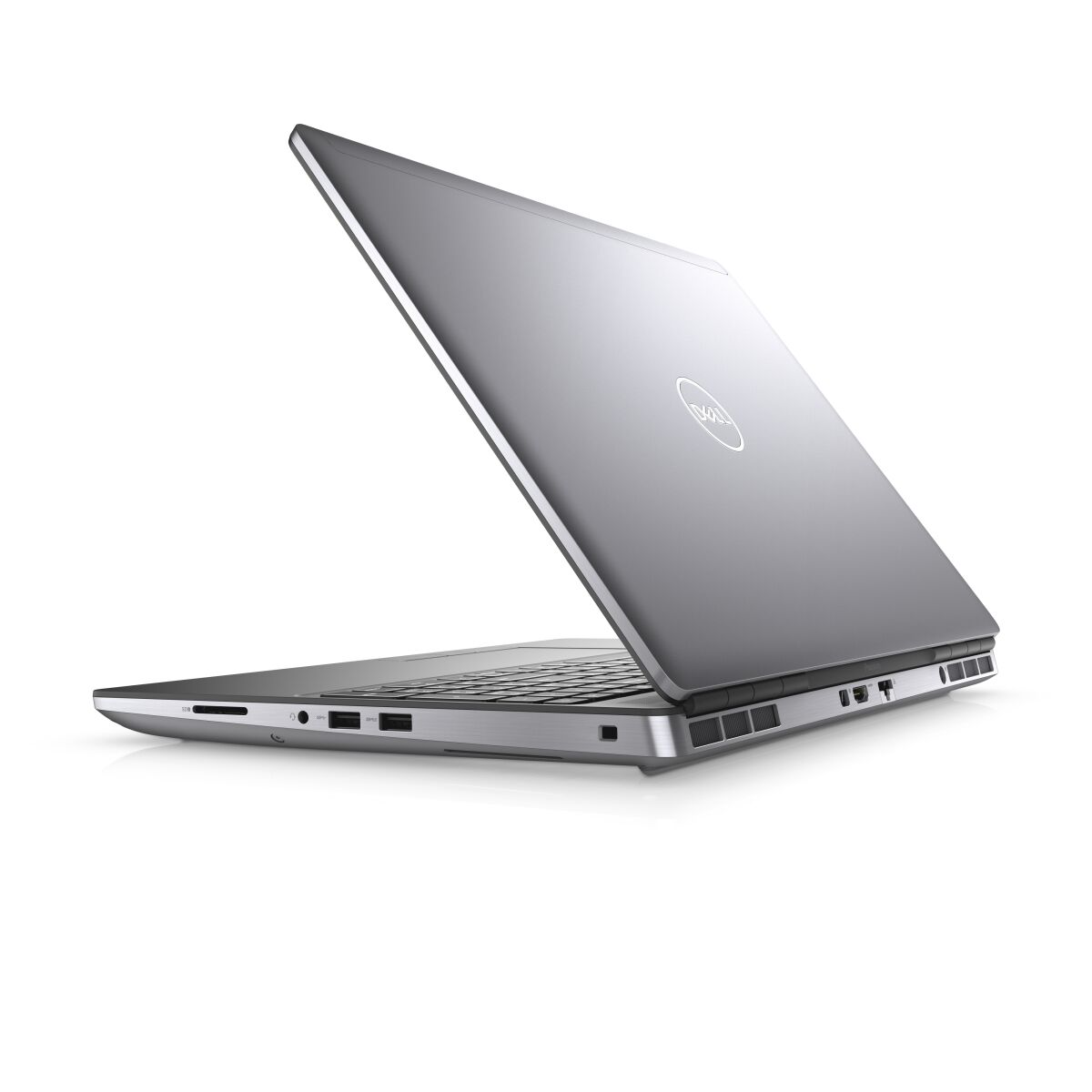
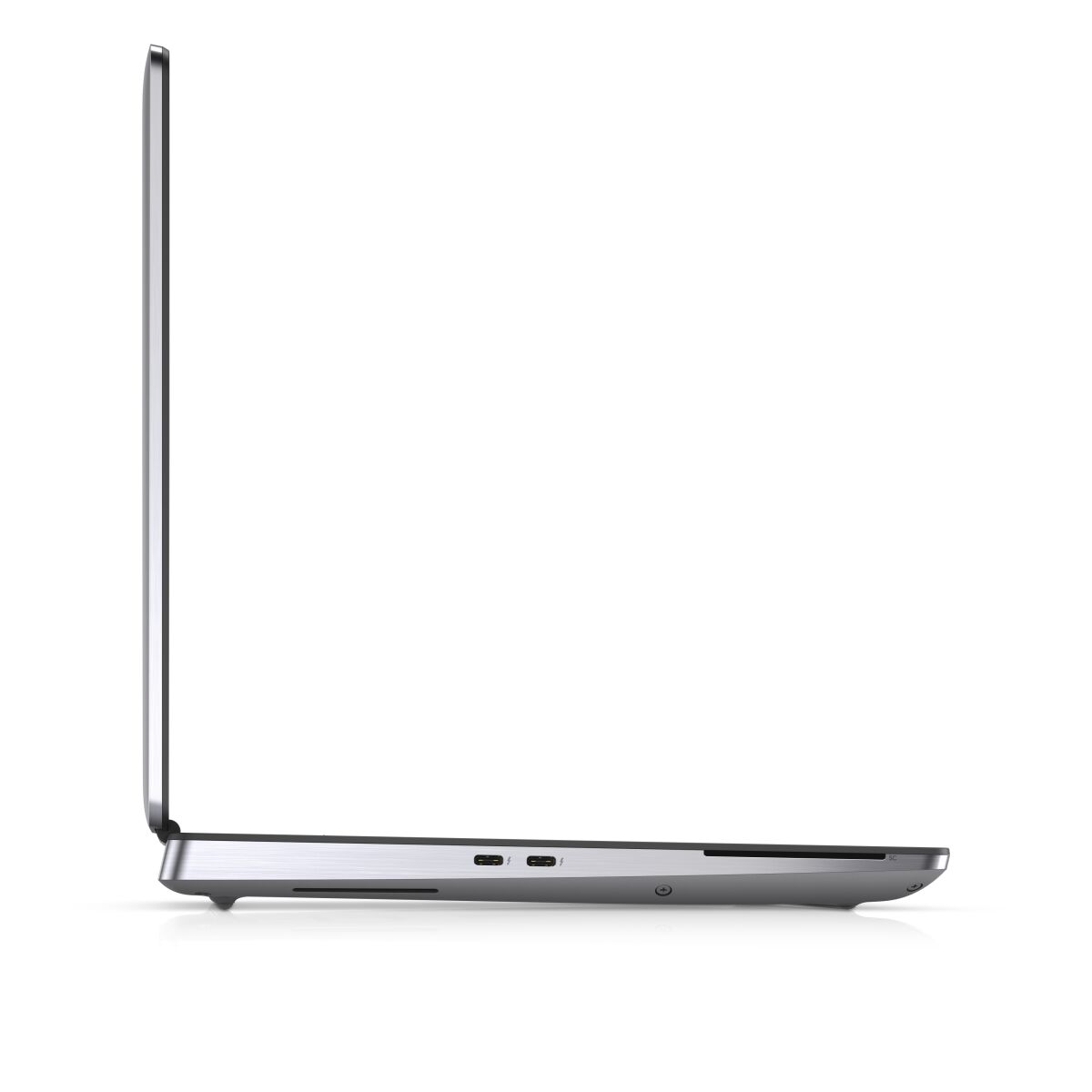
DELL Precision 7000 series 7560 notebook supports memory upgrades utilizing DDR4-SDRAM technology. The laptop contains 4x SO-DIMM slots for RAM expansion. Maximum supported memory capacity reaches 128 GB total. Compatible memory modules operate at 3200 MHz frequency specifications. Users seeking to upgrade memory on DELL Precision 7560 models must utilize DDR4-SDRAM SO-DIMM form factor components matching the specified frequency parameters for optimal compatibility and performance.
Memory Upgrade Specifications
| Specification | Value |
|---|---|
| Memory slots | 4x SO-DIMM |
| Form factor | SO-DIMM |
| Memory type | DDR4-SDRAM |
| Frequency | 3200 MHz |
| Maximum RAM | 128 GB |
| Voltage | 1.2V |
| Number of pins | 260-pin |
| Interface | PC4 |
| PC Speed Rating | PC4-3200 (PC4-25600) |
| Bandwidth | 25.6 GB/s |
| Laptop Release date | 28 June 2021 |
Additional Notes
- The Dell Precision 7560 supports quad-channel memory architecture through 4 SO-DIMM slots, enabling symmetric dual-channel configurations across two independent memory channels for optimal bandwidth utilization during parallel workloads.
- DDR4-3200 specification restricts compatible modules to those rated for 3200 MHz or higher; lower-frequency modules will either fail to initialize or automatically downclock to their rated speed, creating potential performance degradation if mixed-generation purchases are combined.
- SO-DIMM form factor requires low-profile memory modules (typically 30 mm height); full-size UDIMM modules cannot be physically inserted into the available slots, eliminating desktop-grade RAM as viable alternatives.
- Maximum addressable capacity of 128 GB assumes 32 GB per slot; this configuration demands matched quad-channel population (all 4 slots populated with identical-capacity modules) to achieve rated speeds and maintain warranty compliance through certified upgrade paths.
- Upgrading from factory-installed memory to maximum capacity introduces thermal density considerations within the confined chassis cavity; DDR4 modules generate cumulative heat that may increase operating temperatures under sustained workload, potentially affecting thermal throttling thresholds for CPU and GPU components.
- ECC memory support status determines whether registered ECC or unbuffered non-ECC DDR4-3200 modules are required; specification ambiguity regarding ECC designation creates risk of incompatibility if non-standard configurations are installed outside OEM-validated upgrade channels.