DELL Vostro 3490 RAM upgrade specifications

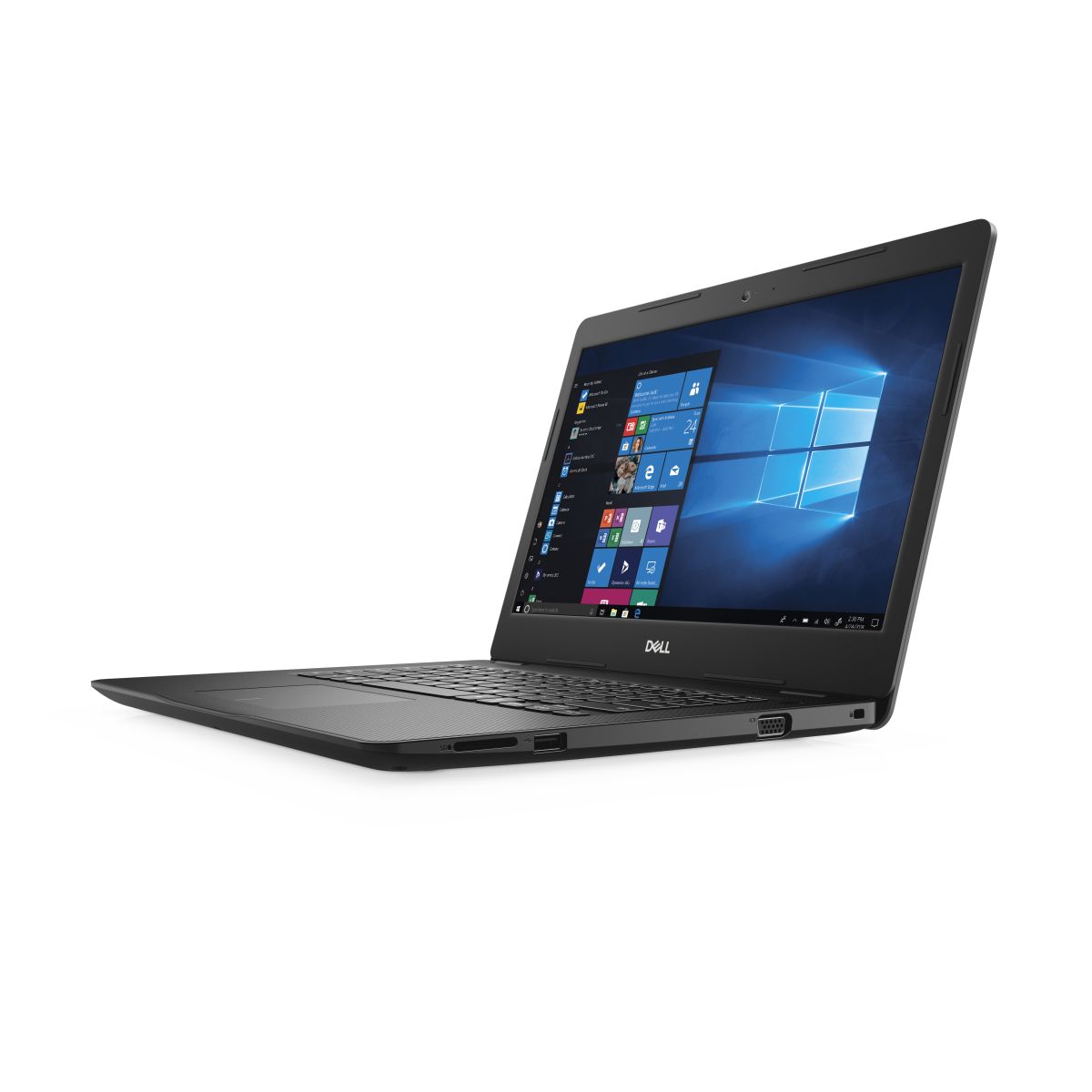



The DELL Vostro 3000 Series 3490 laptop features DDR4-SDRAM memory upgrade specifications with 2x SO-DIMM slots supporting a maximum RAM capacity of 16 GB. The compatible memory modules operate at 2666 MHz frequency with SO-DIMM form factor. Upgrade specifications enable users to enhance system memory performance by installing compatible DDR4 modules in the available slots to reach the maximum 16 GB capacity threshold.
Memory Upgrade Specifications
| Specification | Value |
|---|---|
| Memory slots | 2x SO-DIMM |
| Form factor | SO-DIMM |
| Memory type | DDR4-SDRAM |
| Frequency | 2666 MHz |
| Maximum RAM | 16 GB |
| Voltage | 1.2V |
| Number of pins | 260-pin |
| Interface | PC4 |
| PC Speed Rating | PC4-2666 (PC4-21328) |
| Bandwidth | 21.3 GB/s |
| Laptop Release date | 03 November 2019 |
Additional Notes
- The Dell Vostro 3490 accommodates only 2 SO-DIMM slots, which restricts upgrade capacity to a single additional module if one slot is populated at purchase. Asymmetrical configurations (mismatched capacities) function but operate at reduced performance due to single-channel mode on the smaller module.
- DDR4-2666 MHz represents a constrained memory bus relative to contemporary DDR4 standards. Modules rated for 3200 MHz or higher will downclock to 2666 MHz compatibility, eliminating any performance gain from premium-tier RAM and wasting purchase expenditure on faster variants.
- The 16 GB ceiling creates a hard limit on multitasking workloads involving virtual machines, large dataset processing, or memory-intensive applications. This constraint cannot be circumvented through firmware updates or BIOS modifications.
- SO-DIMM modules are undersized laptop-class components with no compatibility with desktop DDR4 systems. Removal and repurposing in other devices requires matching frequency and generation specifications; mismatched hardware generates incompatibility.
- Upgrading to maximum capacity (2x8 GB) necessitates removal of existing modules. Original factory-installed RAM typically cannot be reinstalled into standard customer devices without potential warranty complications; retention or resale requires secure erasure protocols.
- Memory speed negotiation occurs at POST (power-on self-test) and cannot be overridden through operating system settings. BIOS adjustment options, if exposed, offer minimal frequency variance and maintain stability constraints around the 2666 MHz specification.