DELL XPS 9530-6206 RAM upgrade specifications

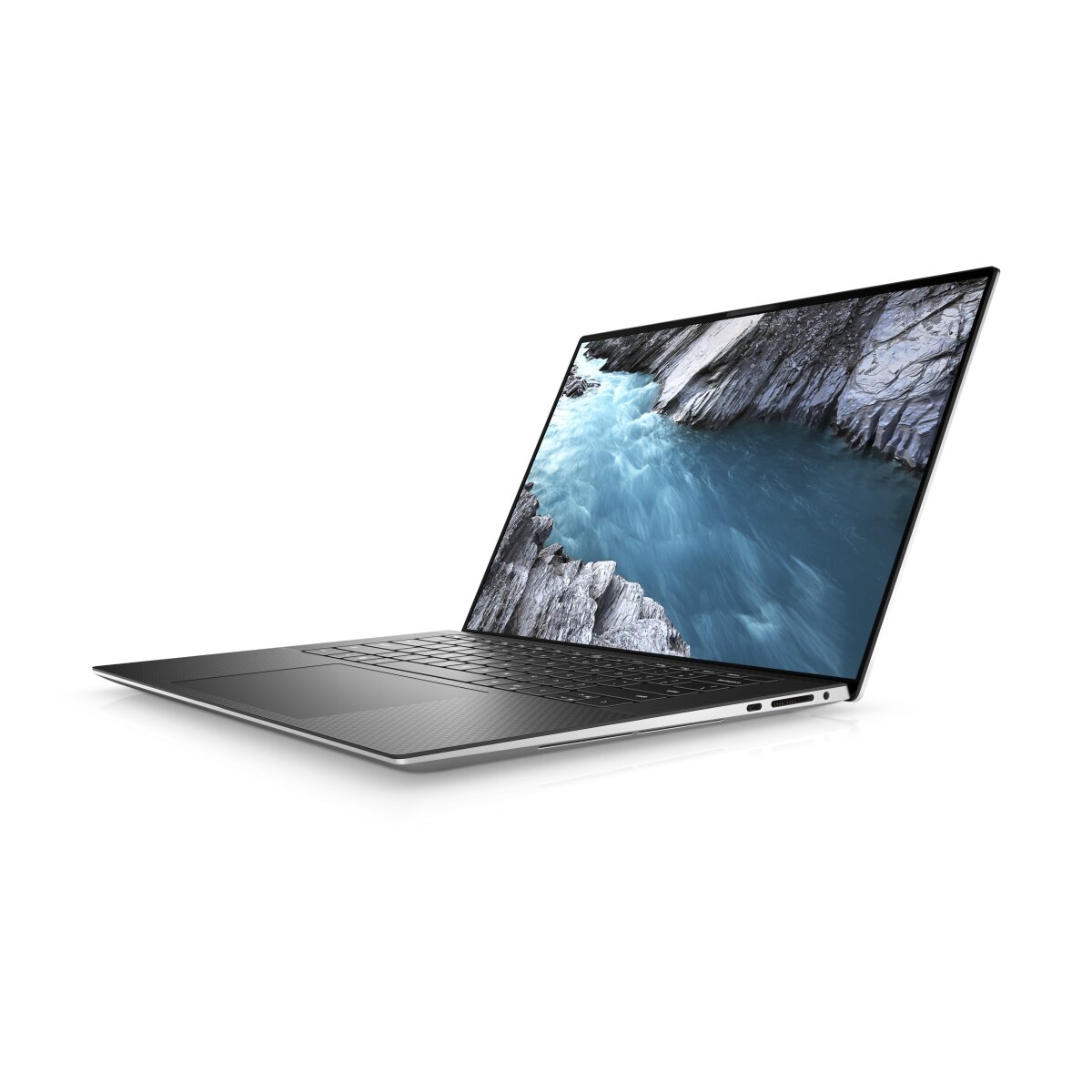



The DELL XPS 15 9530-6206 features two SO-DIMM memory slots supporting DDR5-SDRAM upgrade capacity. Maximum RAM configuration reaches 64 GB total memory capacity. Compatible memory specifications include DDR5-SDRAM modules operating at 4800 MHz frequency. Upgrade options allow installation of additional RAM modules in available slots to enhance system performance. Memory specifications support standard SO-DIMM form factor components for XPS 15 series compatibility.
Memory Upgrade Specifications
| Specification | Value |
|---|---|
| Memory slots | 2x SO-DIMM |
| Form factor | SO-DIMM |
| Memory type | DDR5-SDRAM |
| Frequency | 4800 MHz |
| Maximum RAM | 64 GB |
| Voltage | 1.1V |
| Number of pins | 262-pin |
| Interface | PC5 |
| PC Speed Rating | PC5-4800 (PC5-38400) |
| Bandwidth | 38.4 GB/s |
| Laptop Release date | 01 May 2023 |
Additional Notes
- The presence of 2 physical SO-DIMM slots confirms that memory operates in a dual-channel configuration, providing a significant bandwidth advantage over single-channel soldered alternatives.
- Upgrading the DELL XPS 9530-6206 to the maximum 64 GB capacity necessitates the removal of all existing modules because there are no unoccupied slots available for expansion.
- The hardware architecture utilizes DDR5 technology which integrates on-die ECC (Error Correction Code) to enhance data reliability during high-speed processing tasks.
- Installing modules with frequencies exceeding 4800 MHz will result in the system automatically downclocking the RAM to match the internal bus speed limits of the processor.
- Total memory capacity is limited by the motherboard firmware and memory controller, meaning modules of 64 GB or higher per slot will not be recognized by the BIOS.
- Hardware maintenance for memory replacement requires the removal of the bottom chassis panel, which does not void the standard manufacturer hardware warranty provided no internal components are damaged.
- Latency performance is dictated by the 4800 MHz standard, so latencies lower than CL40 are unlikely to yield measurable improvements due to system-level timing constraints.