FUJITSU LIFEBOOK E4512 RAM upgrade specifications
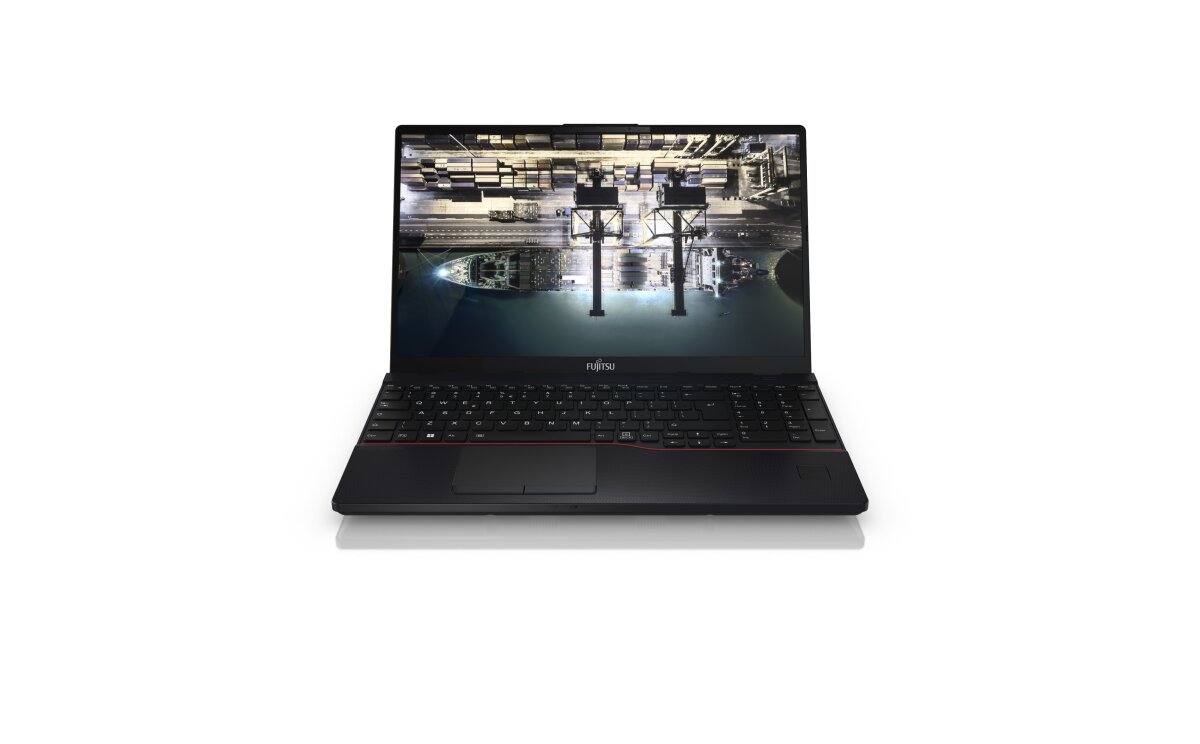
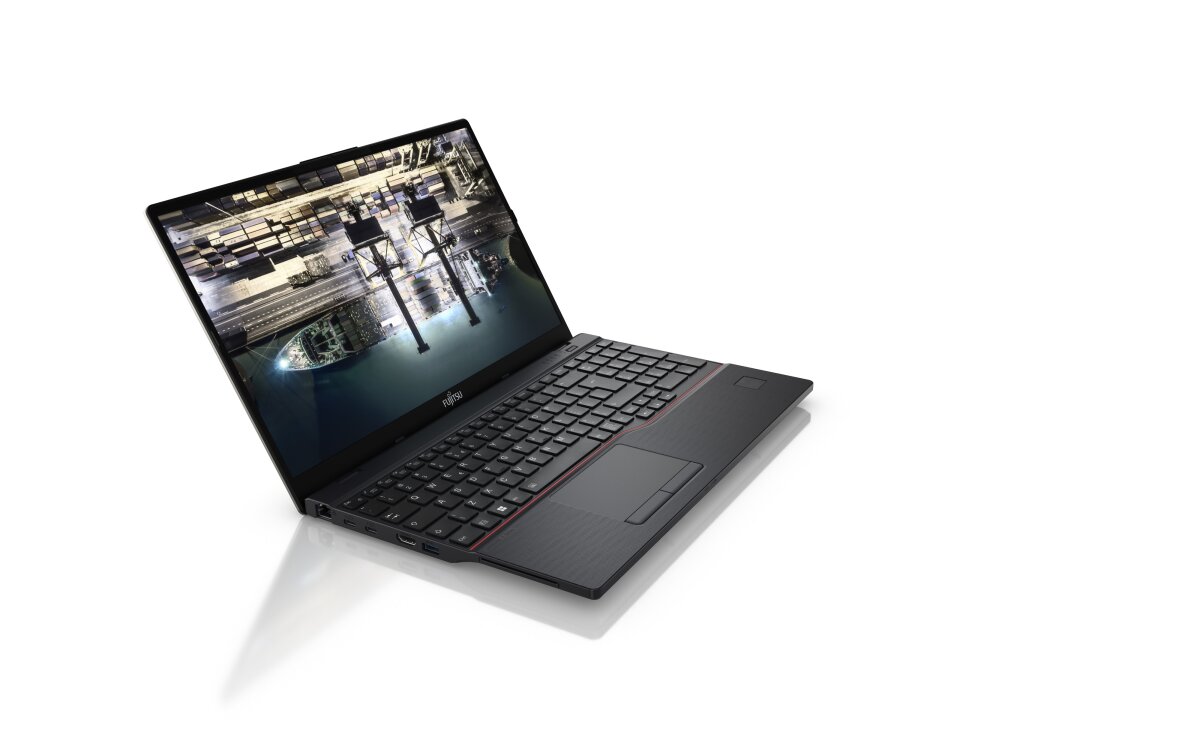
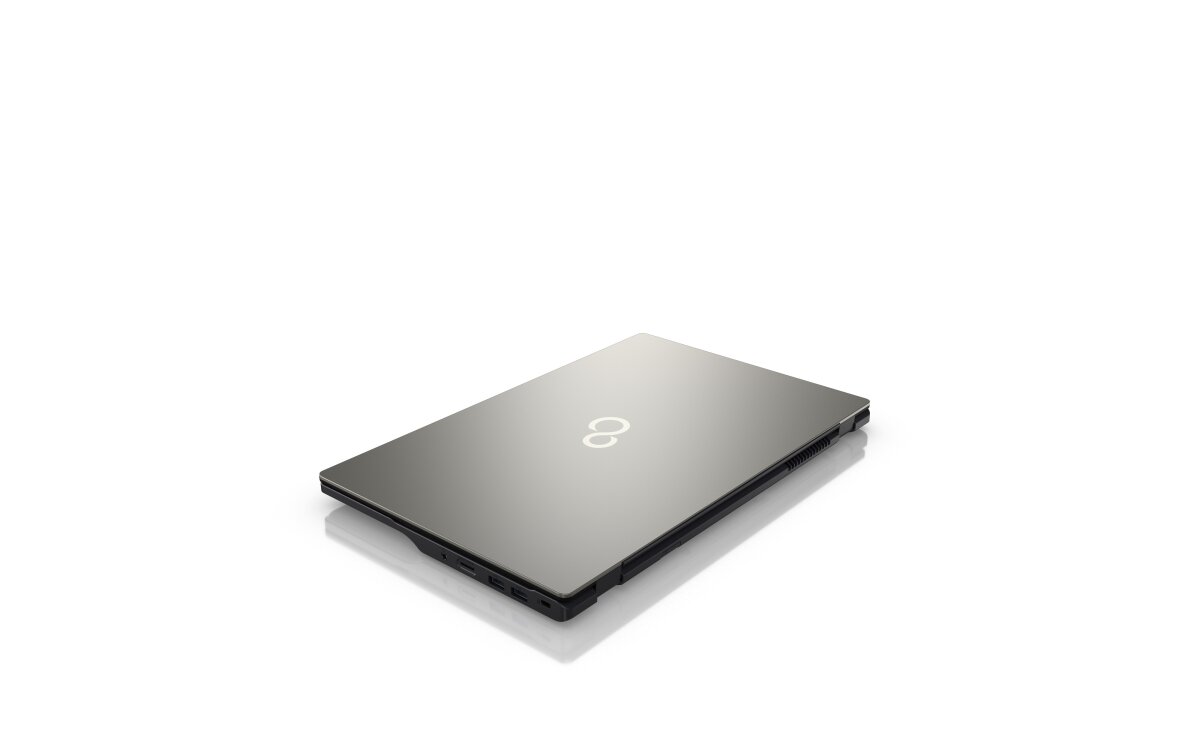
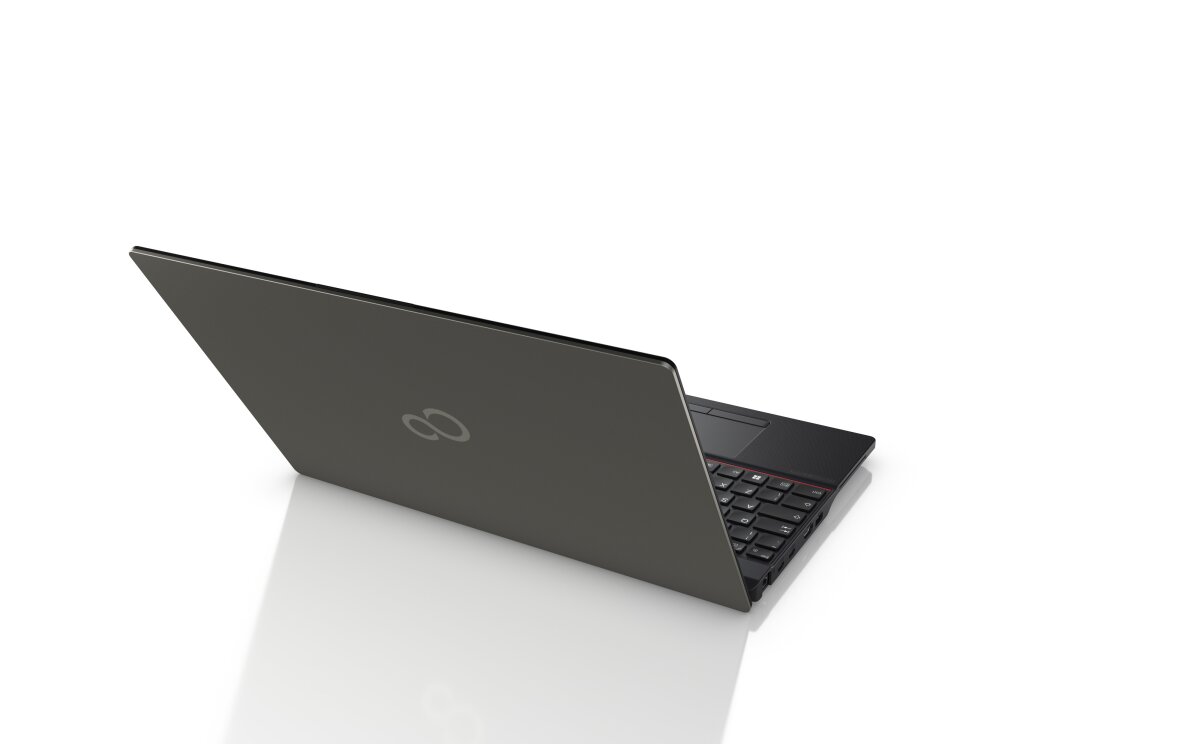
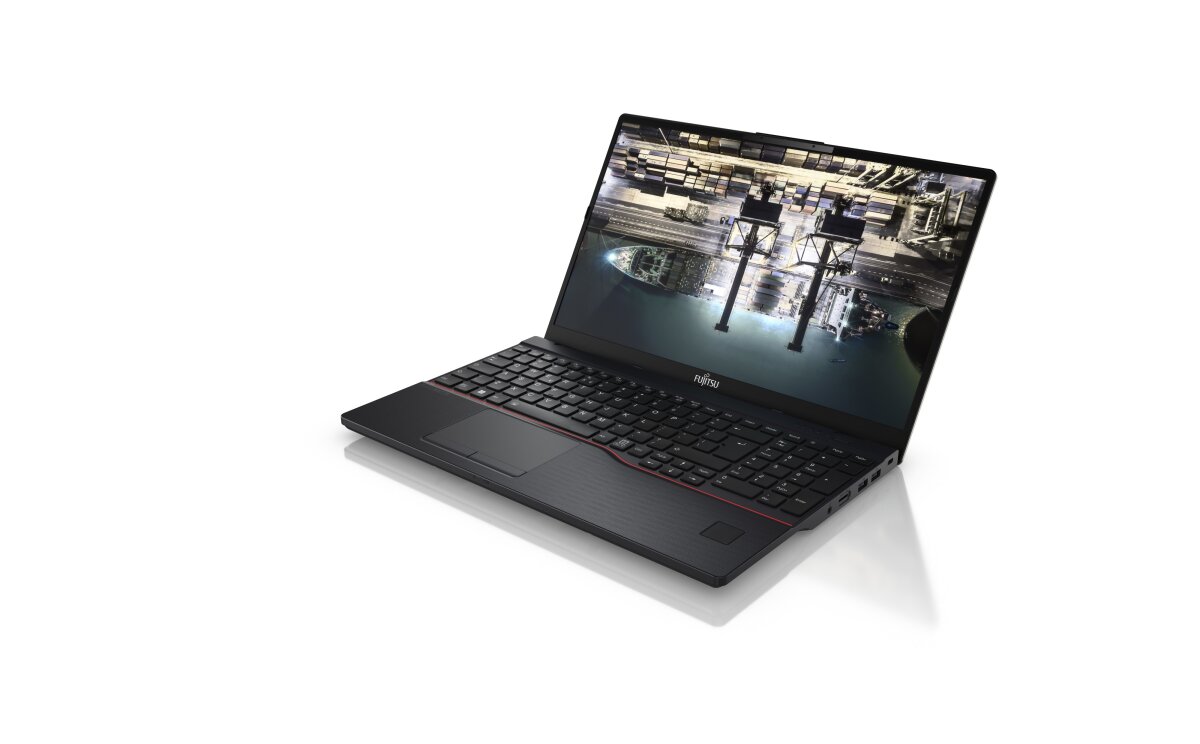
The FUJITSU LIFEBOOK E Series E4512 laptop supports DDR4-SDRAM memory upgrades with two SO-DIMM slots. Maximum RAM capacity reaches 64 GB, accommodating compatible DDR4 modules operating at 3200 MHz frequency. The SO-DIMM form factor specifications enable memory expansion for enhanced system performance. Current upgrade configurations depend on factory-installed memory specifications and compatible module availability.
Memory Upgrade Specifications
| Specification | Value |
|---|---|
| Memory slots | 2x SO-DIMM |
| Form factor | SO-DIMM |
| Memory type | DDR4-SDRAM |
| Frequency | 3200 MHz |
| Maximum RAM | 64 GB |
| Voltage | 1.2V |
| Number of pins | 260-pin |
| Interface | PC4 |
| PC Speed Rating | PC4-3200 (PC4-25600) |
| Bandwidth | 25.6 GB/s |
| Laptop Release date | 07 May 2023 |
Additional Notes
- The FUJITSU LIFEBOOK E4512 supports dual-channel memory configuration through its 2 SO-DIMM slots, enabling up to 25.6 GB/s theoretical bandwidth when both channels are populated with matched modules.
- Achieving the 64 GB maximum capacity requires 2 modules of 32 GB each, which limits future expansion since all available slots must be utilized from the outset.
- The 3200 MHz frequency specification indicates compatibility with DDR4-3200 modules, though lower-speed modules will function but operate at their native frequency rather than the system's maximum supported speed.
- Single-channel configurations using only 1 populated slot will operate at half the memory bandwidth, potentially creating bottlenecks in graphics-intensive applications that rely on integrated GPU resources.
- The SO-DIMM form factor restricts compatibility to notebook-specific modules, as standard desktop DIMM modules are physically incompatible with the slot design.
- DDR4 voltage requirements typically range from 1.2V for JEDEC-standard modules, though some high-performance variants may require different voltages that could affect compatibility or thermal characteristics.
- Memory upgrades can be performed without voiding manufacturer warranty if installation follows proper ESD protocols and uses vendor-approved module specifications.
- The chipset's support for DDR4-3200 suggests that modules rated at DDR4-2933, DDR4-2666, or DDR4-2400 will downclock automatically, though this sacrifices available bandwidth.
- Non-matching module capacities or timings across the 2 slots may force the system into asymmetric dual-channel mode or single-channel operation depending on BIOS implementation.
- Thermal constraints in notebook chassis may limit sustained memory performance under extended high-load scenarios compared to equivalent desktop configurations with superior cooling.