HP Elitebook EliteBook 1050 G1 RAM upgrade specifications
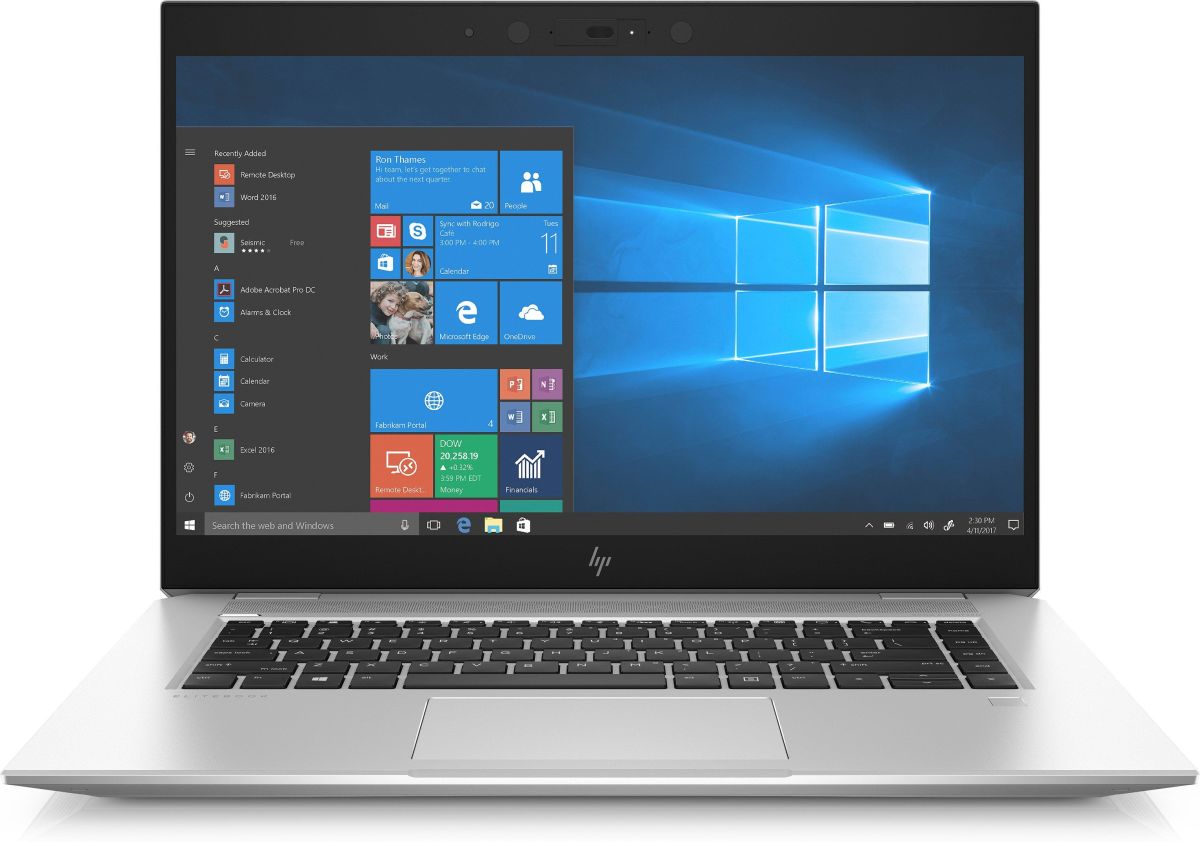
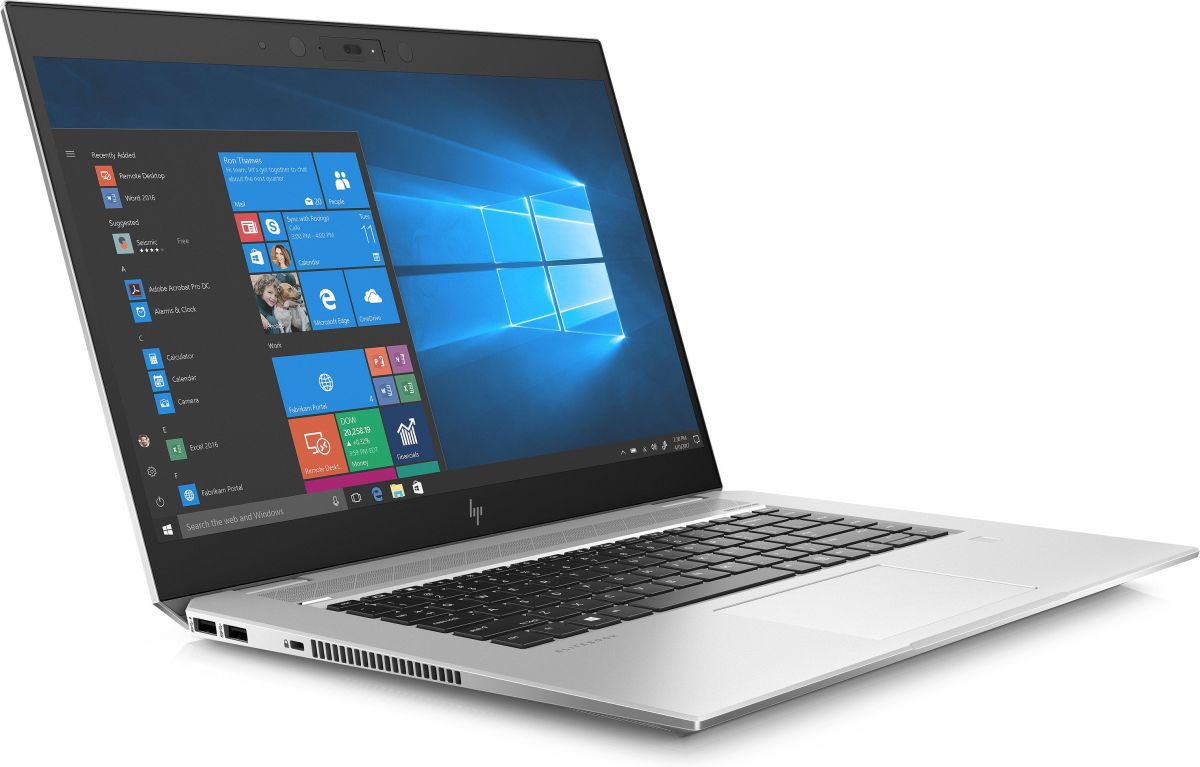
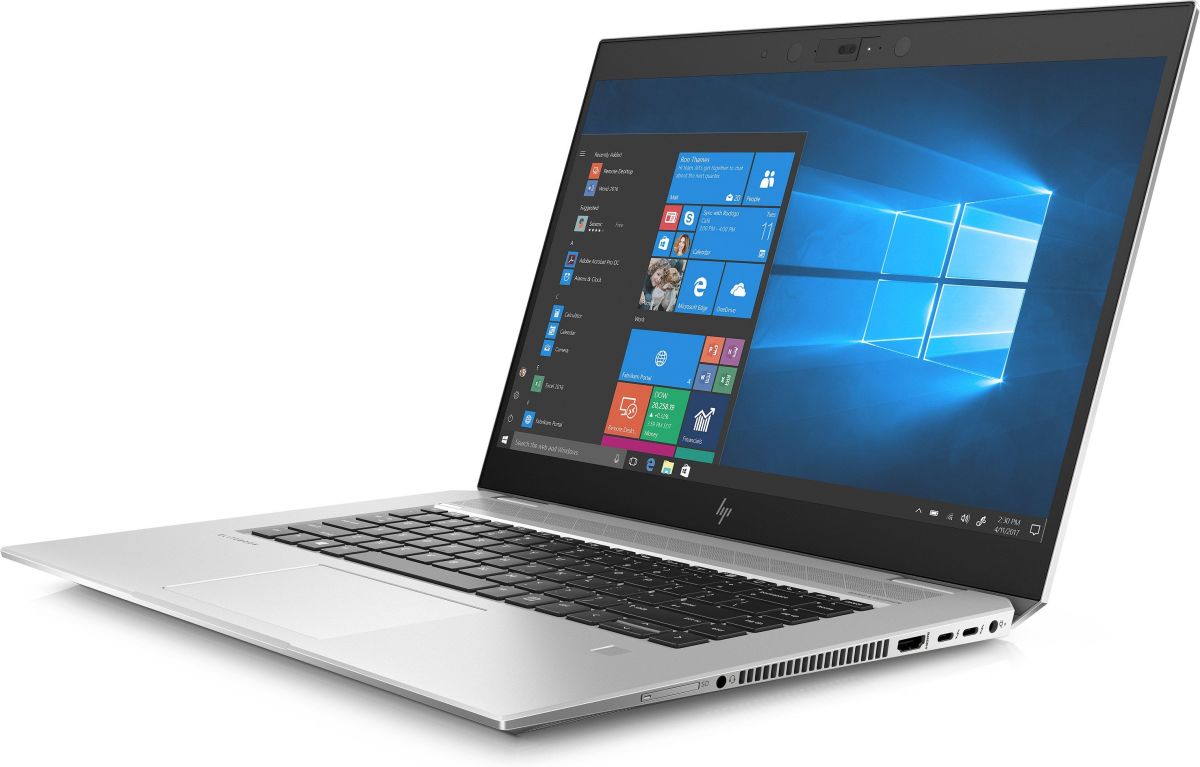
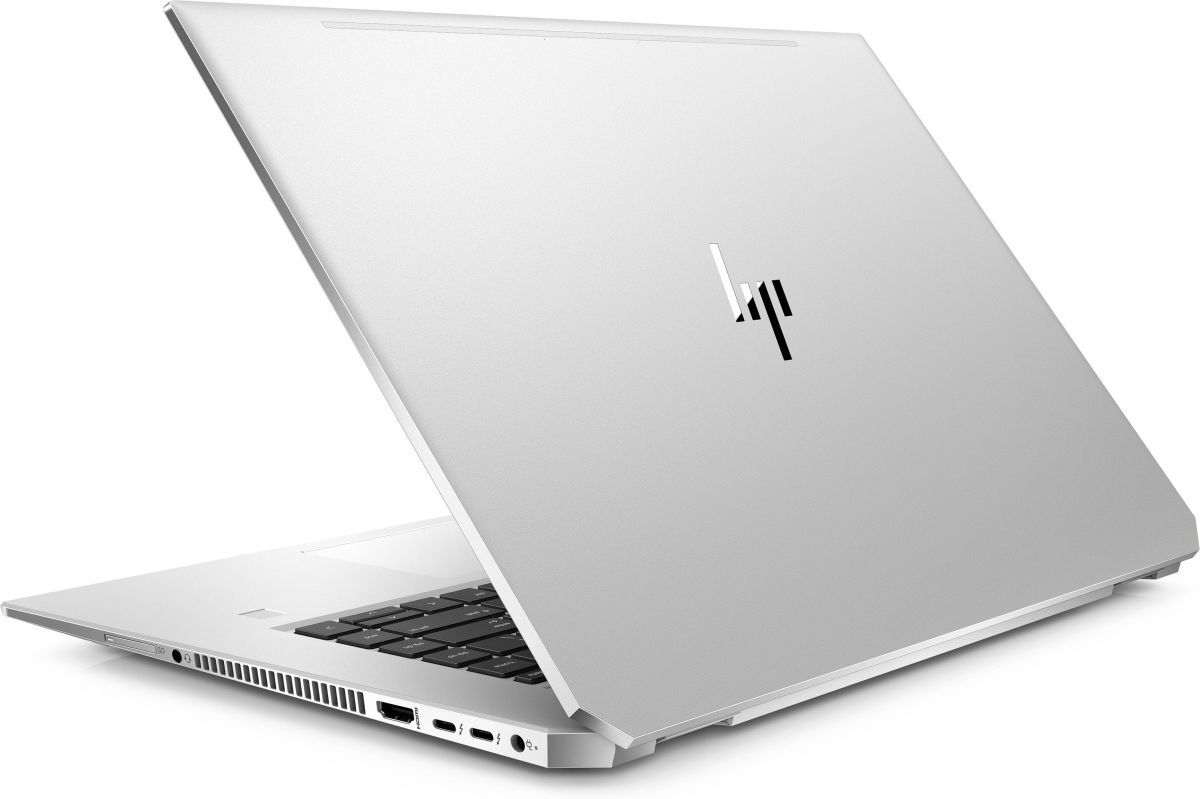
HP EliteBook 1050 G1 memory upgrade specifications detail DDR4-SDRAM compatible RAM configuration. The laptop contains 2x SO-DIMM slots supporting maximum capacity of 32 GB total RAM. Memory modules operate at 2666 MHz frequency. Upgrade options utilize SO-DIMM form factor standard for mobile computing. Compatible memory modules expand storage capacity within EliteBook 1050 G1 specifications parameters.
Memory Upgrade Specifications
| Specification | Value |
|---|---|
| Memory slots | 2x SO-DIMM |
| Form factor | SO-DIMM |
| Memory type | DDR4-SDRAM |
| Frequency | 2666 MHz |
| Maximum RAM | 32 GB |
| Voltage | 1.2V |
| Number of pins | 260-pin |
| Interface | PC4 |
| PC Speed Rating | PC4-2666 (PC4-21328) |
| Bandwidth | 21.3 GB/s |
Additional Notes
- The 2x SO-DIMM slot configuration permits asymmetrical memory populations. Single-sided upgrades bypass dual-channel architecture benefits, reducing effective bandwidth by approximately 50% compared to matched-pair configurations.
- DDR4-2666 specification indicates compatibility limitations with faster DDR4 variants. Modules rated at 3000 MHz or higher will downclock to 2666 MHz, eliminating performance gains from premium memory tiers and creating unnecessary cost overhead.
- 32 GB ceiling with 2 slots requires 16 GB modules per socket for maximum capacity. Availability of 16 GB SO-DIMM units carries price premiums exceeding 40% relative to 8 GB alternatives due to lower market volume.
- SO-DIMM form factor constrains physical clearance around the memory area. Certain aftermarket cooling solutions or palm-rest extensions may require repositioning or removal during installation, potentially voiding thermal performance optimizations.
- The memory frequency specification of 2666 MHz operates below typical consumer DDR4 baselines of 3200 MHz. This reflects workstation-class stability prioritization over peak bandwidth, suggesting conservative voltage and timing profiles that limit overclocking viability.
- Upgrading from factory configurations to 32 GB capacity increases power draw under load, potentially accelerating thermal throttling in constrained chassis designs common to thin-and-light EliteBook form factors.