HP Elitebook 640 G10 RAM upgrade specifications
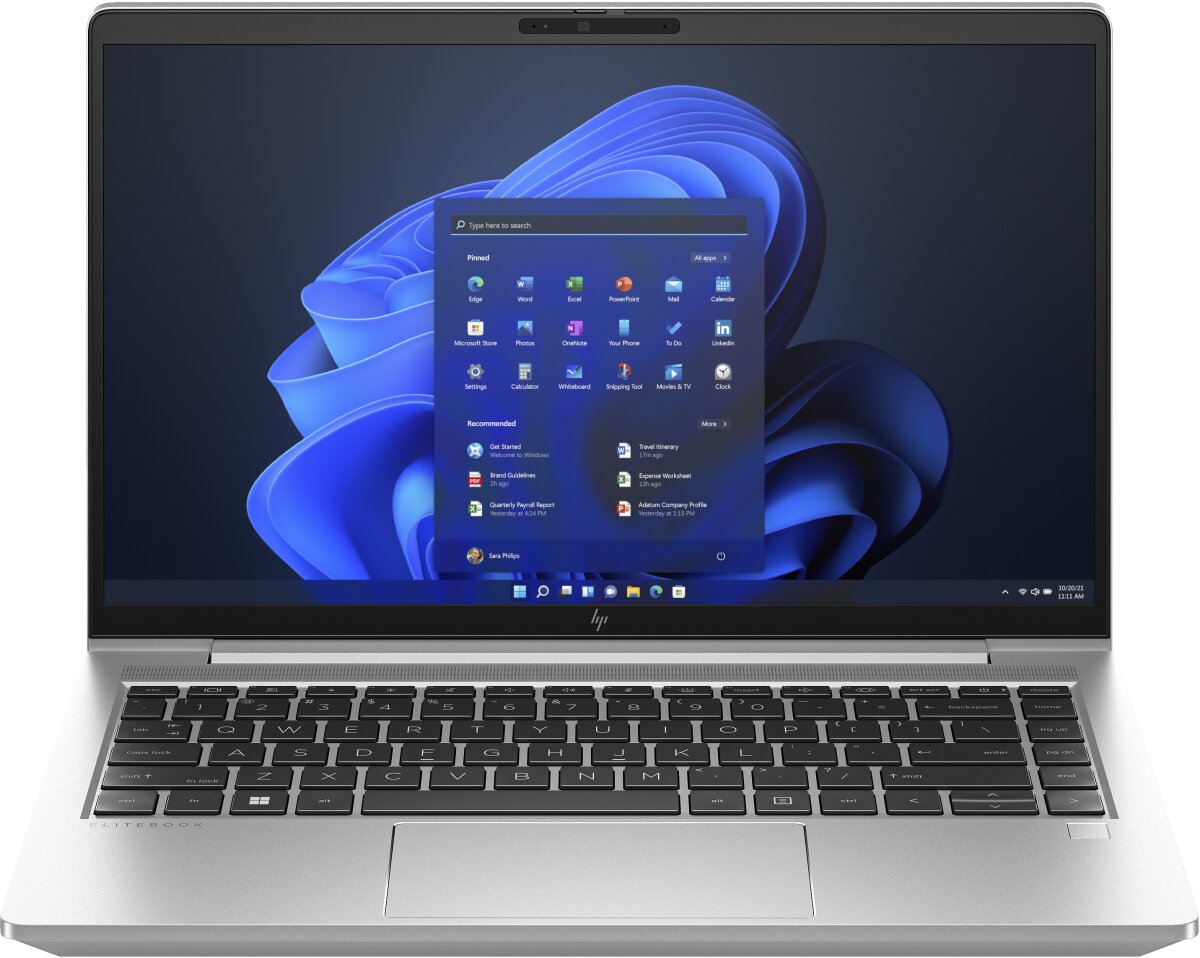
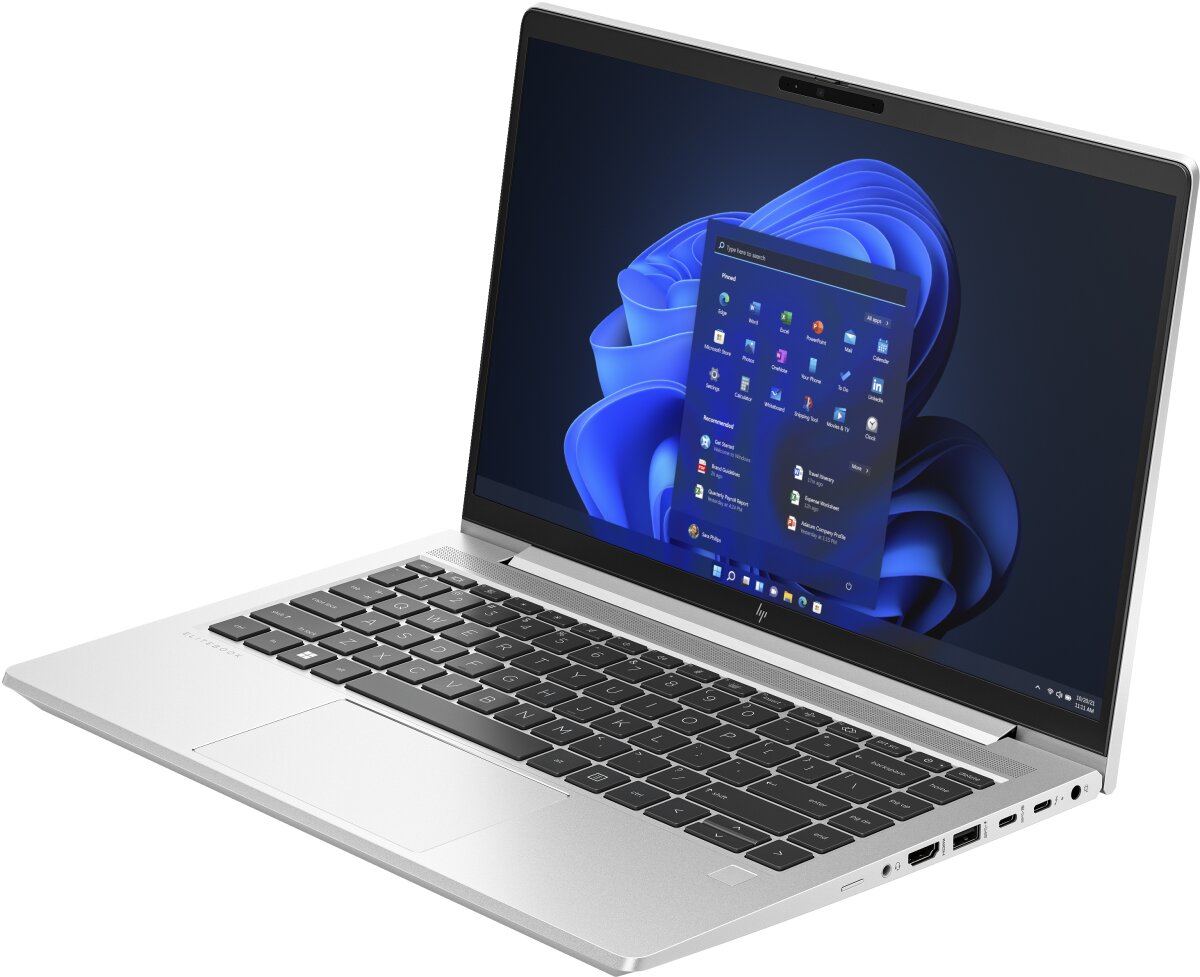
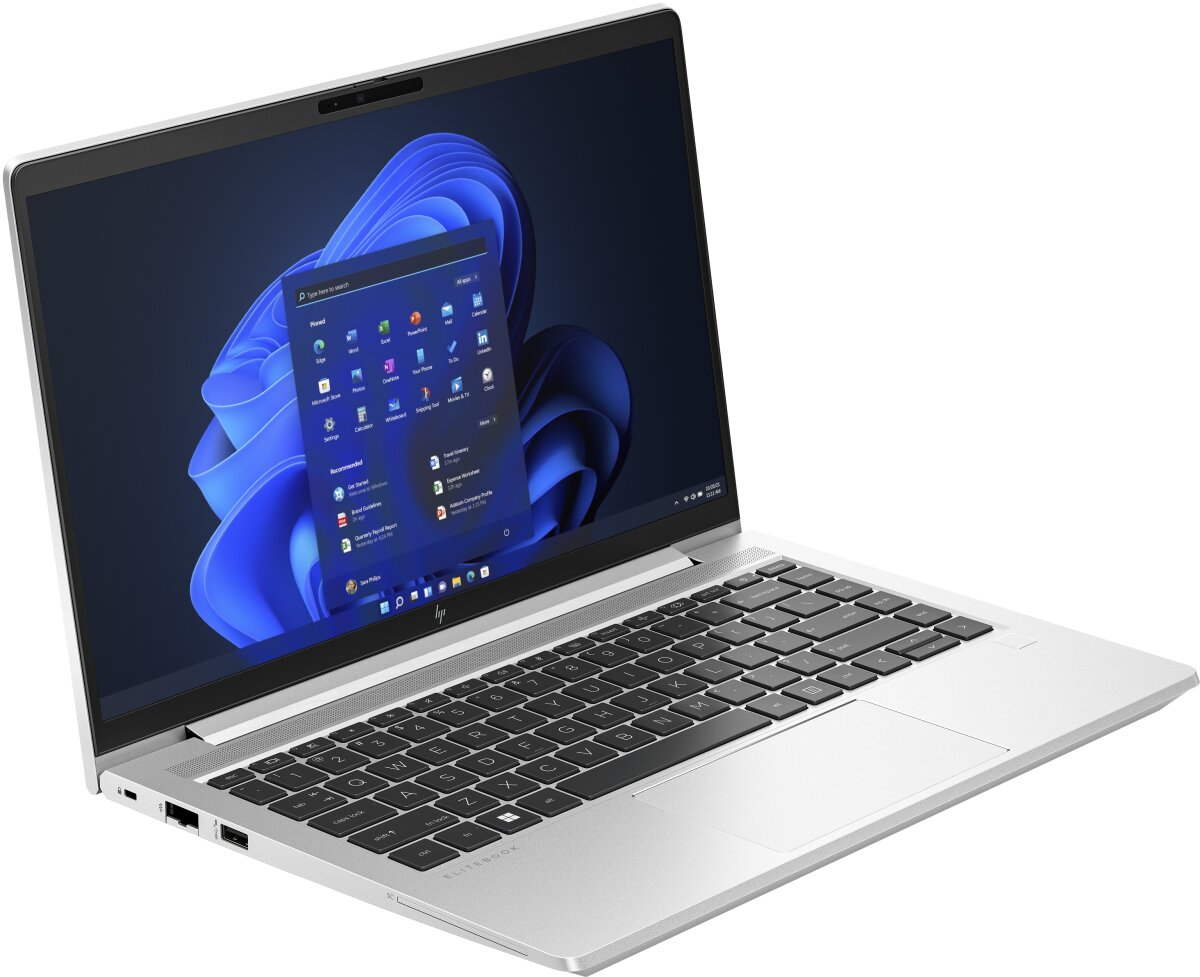

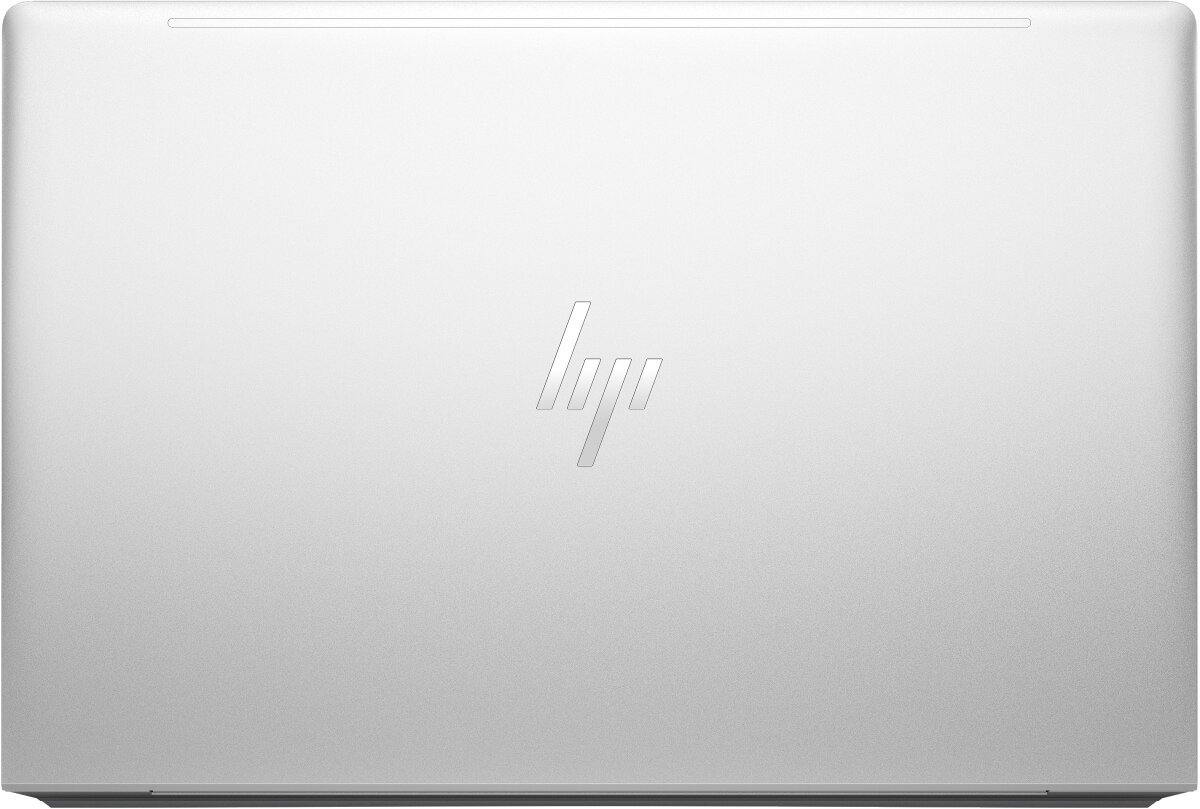
HP Elitebook 640 G10 laptop supports DDR4-SDRAM memory upgrades through two SO-DIMM slots. The upgrade specifications enable maximum RAM capacity of 64 GB, with compatible memory operating at 3200 MHz frequency. The SO-DIMM form factor defines the physical specifications for memory modules compatible with the 640 G10 model. Upgrade configurations allow users to expand memory capacity beyond factory-installed specifications by installing additional or replacement DDR4-SDRAM modules in the available slots.
Memory Upgrade Specifications
| Specification | Value |
|---|---|
| Memory slots | 2x SO-DIMM |
| Form factor | SO-DIMM |
| Memory type | DDR4-SDRAM |
| Frequency | 3200 MHz |
| Maximum RAM | 64 GB |
| Voltage | 1.2V |
| Number of pins | 260-pin |
| Interface | PC4 |
| PC Speed Rating | PC4-3200 (PC4-25600) |
| Bandwidth | 25.6 GB/s |
| Laptop Release date | 27 March 2023 |
Additional Notes
- The HP Elitebook 640 G10 uses DDR4 SO-DIMM modules, which means DDR5 memory is incompatible regardless of speed or capacity specifications.
- The 3200 MHz frequency represents DDR4-3200 standard operation, but actual performance depends on processor memory controller support and may downclock to lower speeds with certain CPU configurations.
- Dual SO-DIMM architecture enables symmetric dual-channel operation when identical modules are installed in both slots, potentially doubling memory bandwidth compared to single-channel configurations.
- The 64 GB maximum capacity implies support for 32 GB modules, though these higher-density modules typically carry price premiums over 16 GB alternatives.
- Standard voltage DDR4 SO-DIMMs operate at 1.2V, while low-voltage variants may cause compatibility issues if the system firmware does not auto-detect voltage requirements.
- Memory timing specifications beyond base frequency affect latency characteristics, with CAS latency values of CL22 being typical for DDR4-3200 modules in business-class systems.
- User-accessible SO-DIMM slots typically preserve manufacturer warranty coverage, contrasting with systems featuring soldered memory that prohibit post-purchase capacity changes.
- Installing mismatched module capacities or speeds forces the memory controller to operate all modules at the lowest common specification, reducing effective bandwidth.
- Thermal constraints in thin laptop chassis may throttle sustained memory-intensive workloads even with maximum capacity installed due to SO-DIMM heat dissipation limitations.
- Non-ECC unbuffered modules represent the standard specification for this platform class, as ECC registered SO-DIMMs require workstation-grade chipsets not present in mainstream business laptops.