HP Elitebook 860 G9 RAM upgrade specifications
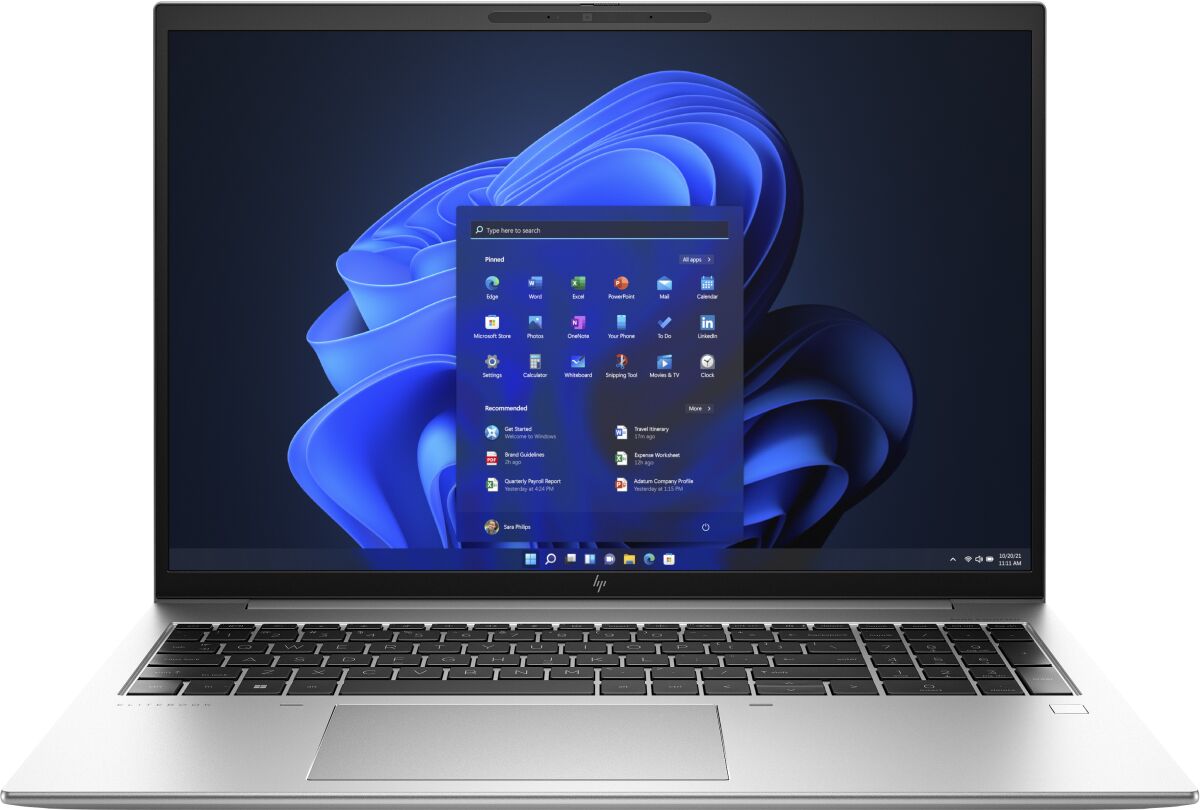
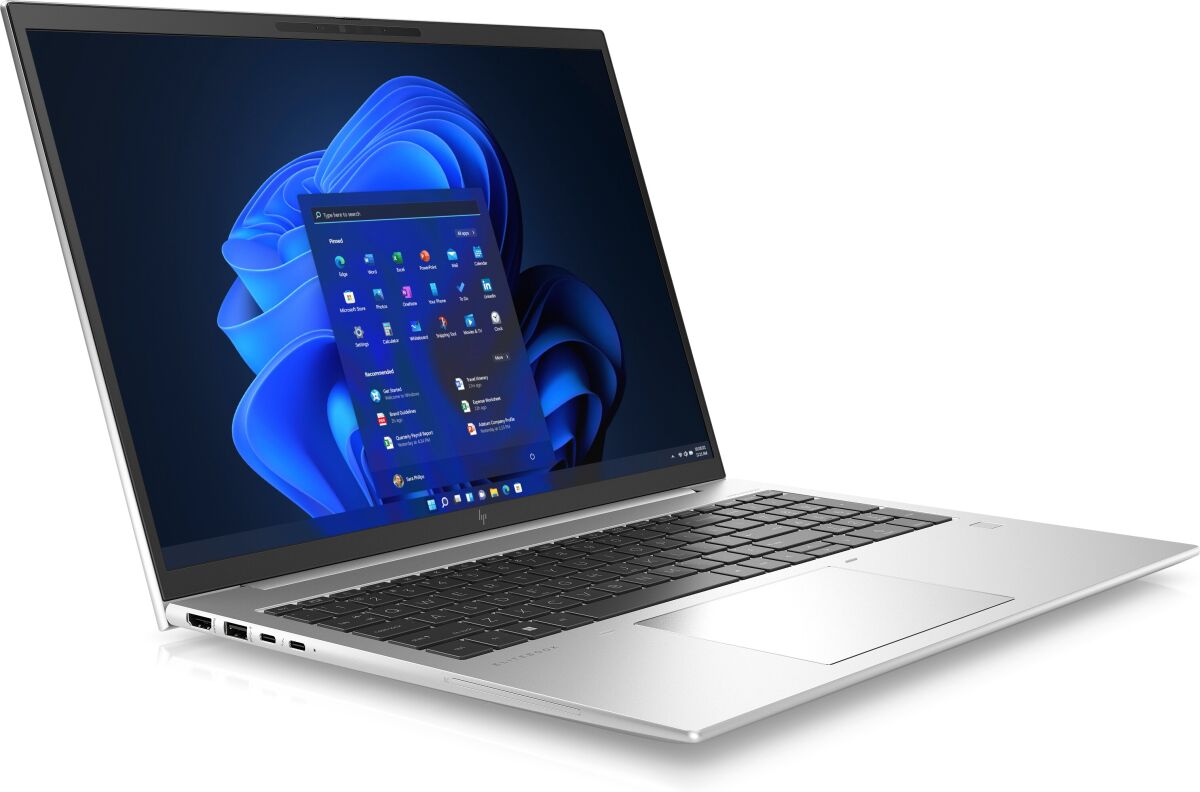
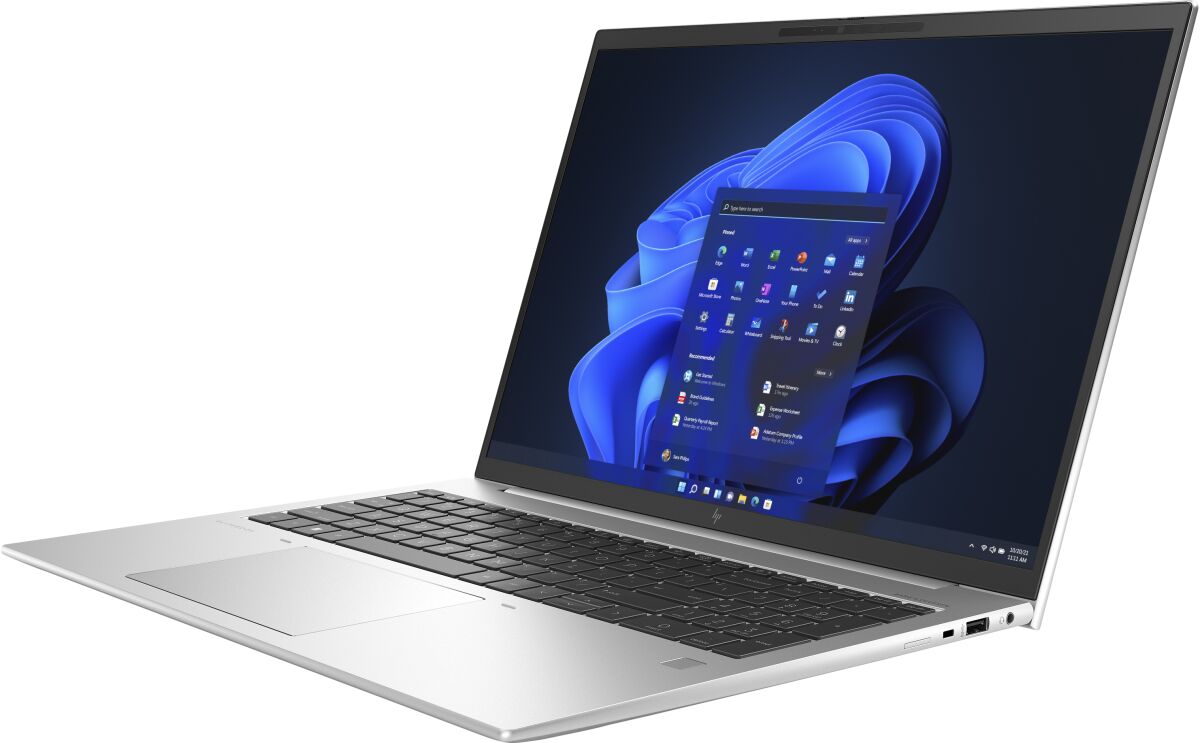

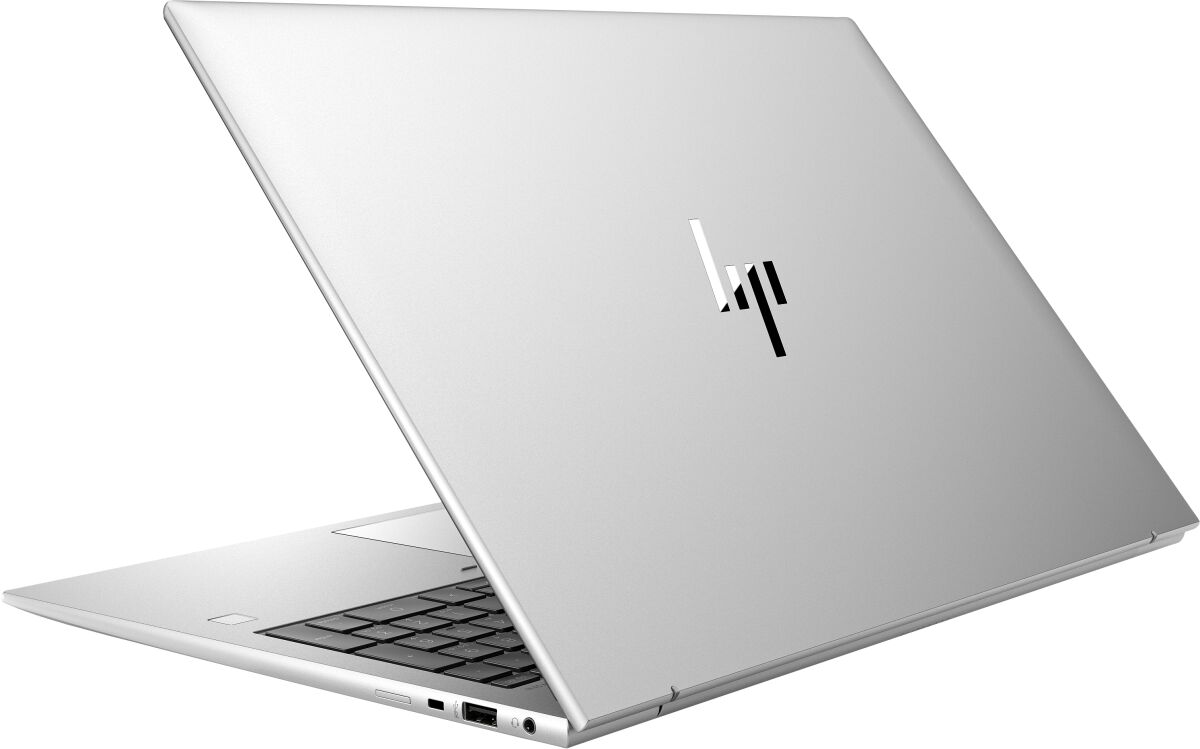
HP Elitebook 860 G9 laptop supports DDR5-SDRAM memory upgrades across 2x SO-DIMM slots. Maximum compatible RAM capacity reaches 64 GB, with memory operating at 4800 MHz frequency. The SO-DIMM form factor specifications define the physical and electrical requirements for memory modules compatible with this laptop model. Users seeking RAM upgrades for Elitebook 860 G9 units must verify DDR5-SDRAM module specifications to ensure compatibility with the existing slots and maximum capacity constraints.
Memory Upgrade Specifications
| Specification | Value |
|---|---|
| Memory slots | 2x SO-DIMM |
| Form factor | SO-DIMM |
| Memory type | DDR5-SDRAM |
| Frequency | 4800 MHz |
| Maximum RAM | 64 GB |
| Voltage | 1.1V |
| Number of pins | 262-pin |
| Interface | PC5 |
| PC Speed Rating | PC5-4800 (PC5-38400) |
| Bandwidth | 38.4 GB/s |
| Laptop Release date | 04 April 2022 |
Additional Notes
- The HP EliteBook 860 G9 supports DDR5-SDRAM exclusively, which means DDR4 modules will not fit due to incompatible notch positioning on the module edge connector.
- The 64 GB ceiling requires 32 GB modules in both slots, as this represents the maximum density currently available for DDR5 SO-DIMM configuration.
- DDR5 operates at 1.1V compared to DDR4's 1.2V specification, reducing heat generation during sustained workloads but requiring motherboard voltage regulation circuits designed specifically for this lower operating voltage.
- The 4800 MHz specification refers to effective transfer rate, while the actual memory clock operates at 2400 MHz due to DDR5's double data rate architecture across two 32-bit channels per module.
- Installation requires matching module ranks (single-rank with single-rank or dual-rank with dual-rank) across both slots to maintain stable dual-channel operation and avoid unexpected downclocking.
- The SO-DIMM format measures 67.6 mm in length compared to standard DIMM's 133.35 mm, making desktop memory modules physically incompatible regardless of specification matching.
- Mixed-capacity configurations remain functional but will operate in flex mode, where only the matched portion runs in dual-channel while the excess capacity on the larger module defaults to single-channel bandwidth.
- JEDEC-compliant modules will auto-configure to supported speeds through SPD chip data, while XMP or EXPO profiles designed for desktop overclocking typically remain inactive in mobile platform firmware.
- ECC SO-DIMM modules with parity checking contain 10 memory chips instead of 8, creating physical height differences that may interfere with keyboard assemblies or bottom panel clearance in this chassis design.
- Accessing the memory compartment on this generation typically requires bottom panel removal, which may contain warranty seal placement depending on regional HP service policies.