HP OMEN 15-dc0014nf RAM upgrade specifications



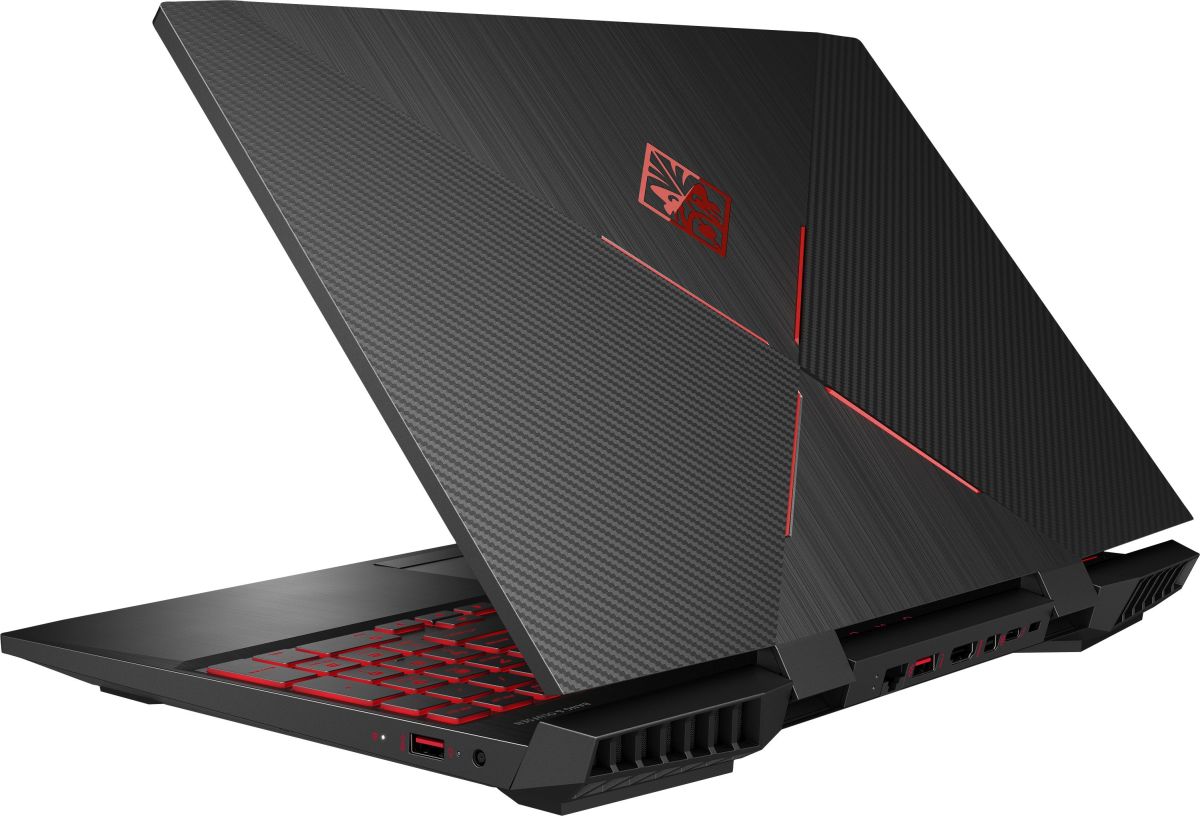
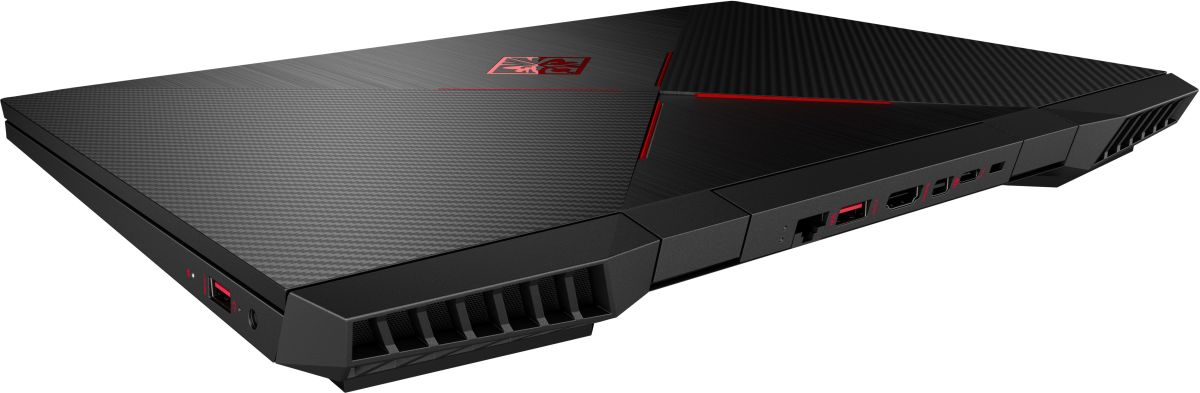
The HP OMEN 15-dc0014nf laptop features two SO-DIMM memory slots supporting DDR4-SDRAM modules at 2666 MHz frequency. The maximum RAM capacity for this model stands at 32 GB total memory upgrade capability. Compatible memory modules must utilize the SO-DIMM form factor specifications. The memory upgrade slots allow for modular RAM expansion to reach the maximum supported capacity. These DDR4-SDRAM specifications define the compatible memory parameters for hardware upgrades on the OMEN 15 series 15-dc0014nf model.
Memory Upgrade Specifications
| Specification | Value |
|---|---|
| Memory slots | 2x SO-DIMM |
| Form factor | SO-DIMM |
| Memory type | DDR4-SDRAM |
| Frequency | 2666 MHz |
| Maximum RAM | 32 GB |
| Voltage | 1.2V |
| Number of pins | 260-pin |
| Interface | PC4 |
| PC Speed Rating | PC4-2666 (PC4-21328) |
| Bandwidth | 21.3 GB/s |
| Laptop Release date | 14 June 2018 |
Additional Notes
- The 32 GB ceiling exists because the chipset or processor architecture cannot address beyond this threshold, regardless of module density.
- Both slots must be populated with identical specifications to activate dual-channel mode, which doubles memory bandwidth compared to single-channel operation.
- Installing 2666 MHz modules alongside slower DDR4 will force all modules to operate at the lowest common frequency, degrading performance.
- Standard desktop DIMM modules are physically incompatible due to different pin counts and notch positions compared to SO-DIMM format.
- Higher frequency modules rated at 3200 MHz will downclock to 2666 MHz automatically, providing no performance advantage despite increased cost.
- Single-rank versus dual-rank module architecture affects bandwidth and interleaving behavior, though both types remain electrically compatible within the 32 GB limit.
- The SO-DIMM slots typically require spreading the retention clips outward at 45-degree angles before modules can be extracted without damage.
- Voltage specifications must match the DDR4 standard of 1.2V, as higher-voltage DDR3L or DDR3 modules will cause POST failures or system instability.
- Non-ECC unbuffered memory is required, since SO-DIMM ECC modules are electrically incompatible with consumer-grade memory controllers.
- Thermal constraints in the chassis may throttle CPU performance if high-density modules generate excessive heat during sustained workloads.
- The JEDEC standard allows backward compatibility within DDR4 generations, but mixing manufacturers can introduce subtiming mismatches causing intermittent crashes.
- BIOS updates may expose higher frequency support or compatibility fixes for specific module configurations not available at original ship date.