HP OMEN 15-dc1007na RAM upgrade specifications



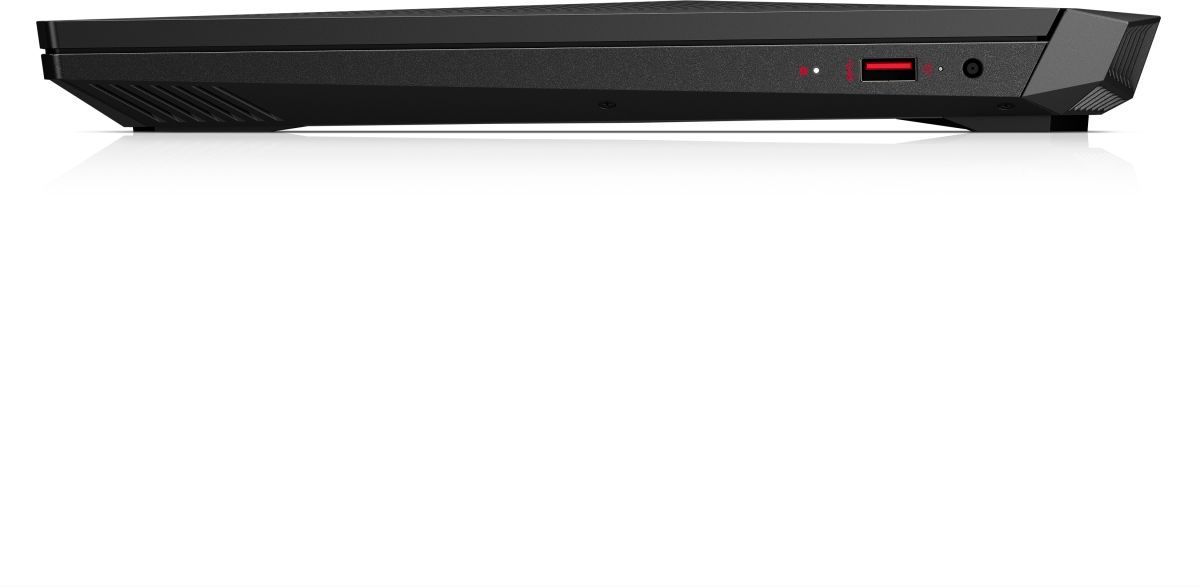
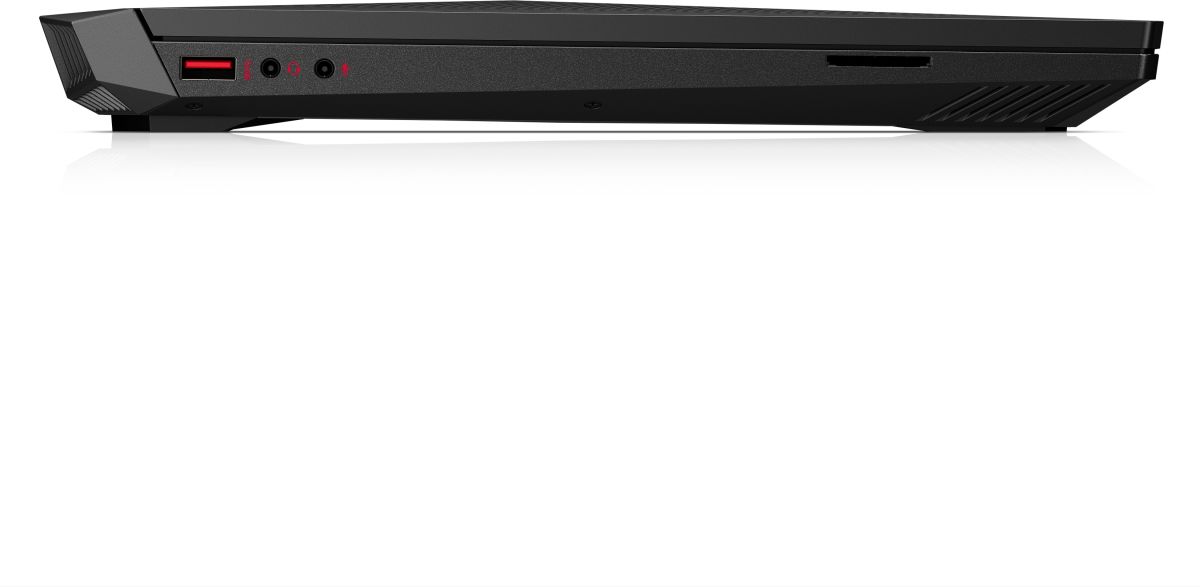
HP OMEN 15-dc1007na laptop features DDR4-SDRAM memory upgrade specifications with two SO-DIMM slots supporting maximum capacity of 32 GB total. Compatible RAM modules operate at 2666 MHz frequency and utilize SO-DIMM form factor. Memory upgrade options allow expansion from factory configuration to full 32 GB maximum capacity. Specifications detail slot configuration, supported memory type, frequency specifications, and upgrade compatibility for the HP OMEN 15 series model 15-dc1007na.
Memory Upgrade Specifications
| Specification | Value |
|---|---|
| Memory slots | 2x SO-DIMM |
| Form factor | SO-DIMM |
| Memory type | DDR4-SDRAM |
| Frequency | 2666 MHz |
| Maximum RAM | 32 GB |
| Voltage | 1.2V |
| Number of pins | 260-pin |
| Interface | PC4 |
| PC Speed Rating | PC4-2666 (PC4-21328) |
| Bandwidth | 21.3 GB/s |
| Laptop Release date | 27 March 2019 |
Additional Notes
- The HP OMEN 15-dc1007na contains 2 SO-DIMM slots, permitting a single-module upgrade to 32 GB total capacity without removing existing memory, or a dual-module replacement strategy for higher throughput configurations.
- DDR4-2666 MHz operation establishes a baseline bandwidth ceiling of approximately 21 GB/s per channel. Faster DDR4 modules (3000 MHz or higher) will downclock to 2666 MHz, eliminating performance gains from premium memory while incurring additional cost.
- SO-DIMM form factor requires laptop-specific modules rather than standard desktop DDR4 sticks; desktop memory is physically incompatible and cannot be installed regardless of speed or capacity matching.
- Upgrading beyond the factory configuration to 32 GB requires validation of BIOS POST procedures, as some OMEN BIOS revisions may require memory training cycles on first boot with new capacity thresholds.
- Thermal density increases with higher-capacity modules in the confined chassis space; memory operating temperatures may rise 3-5 degrees Celsius under sustained load compared to lower-density configurations, though SO-DIMM modules generate minimal heat relative to the GPU and CPU.
- Single-channel population in one slot reduces effective bandwidth by 50 percent until both slots are populated; gaming and rendering workloads will exhibit measurable latency increases compared to symmetric dual-channel configurations.