LENOVO Essential B70-80 RAM upgrade specifications
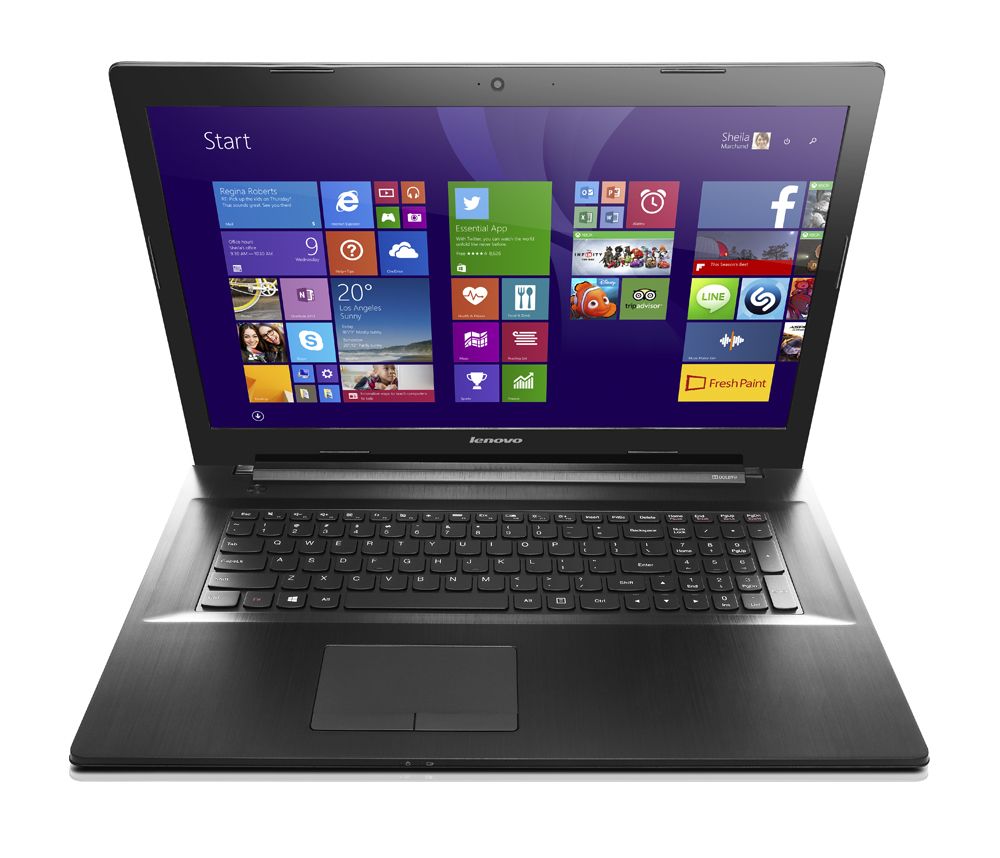
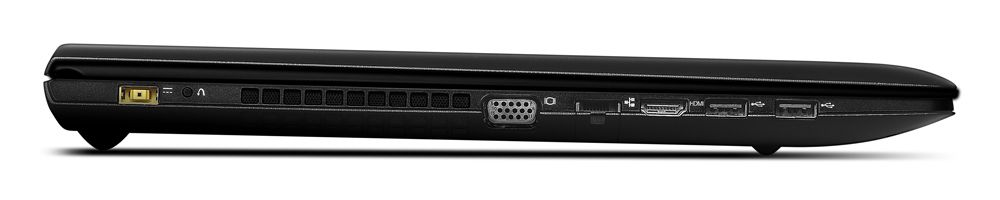
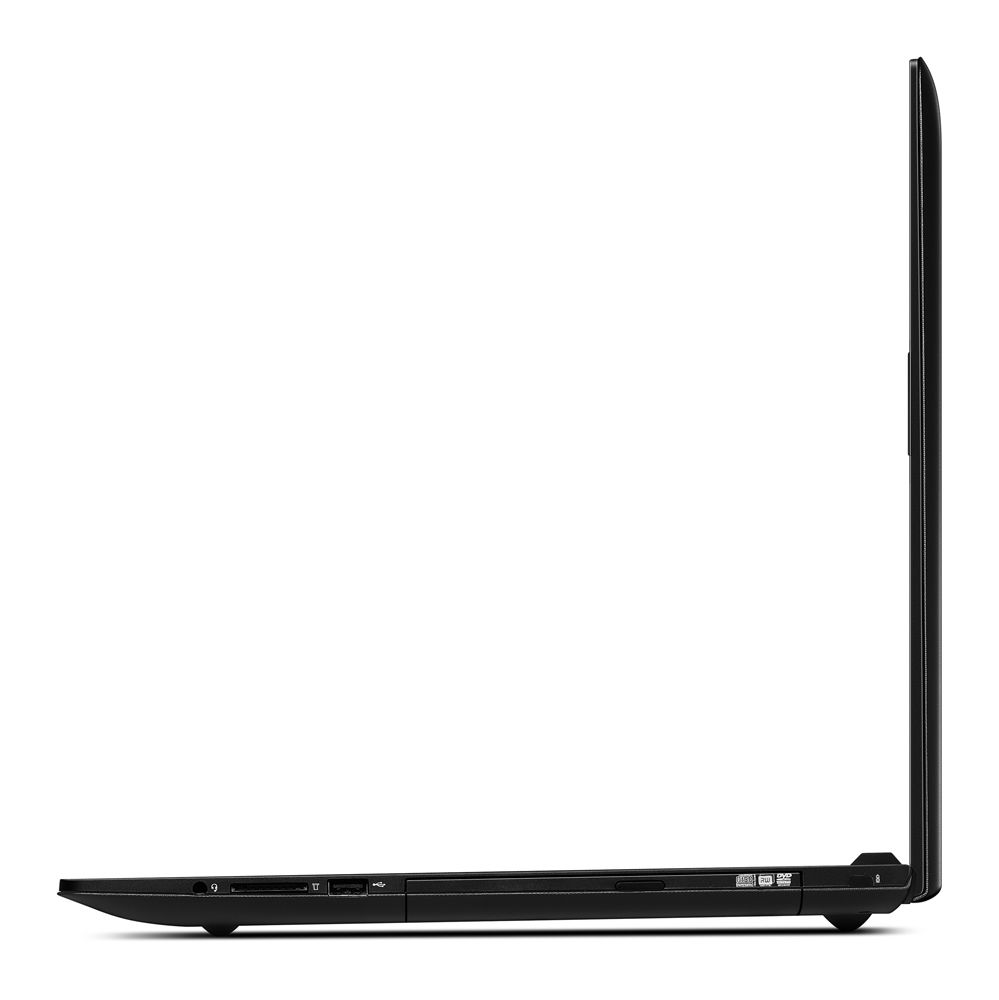
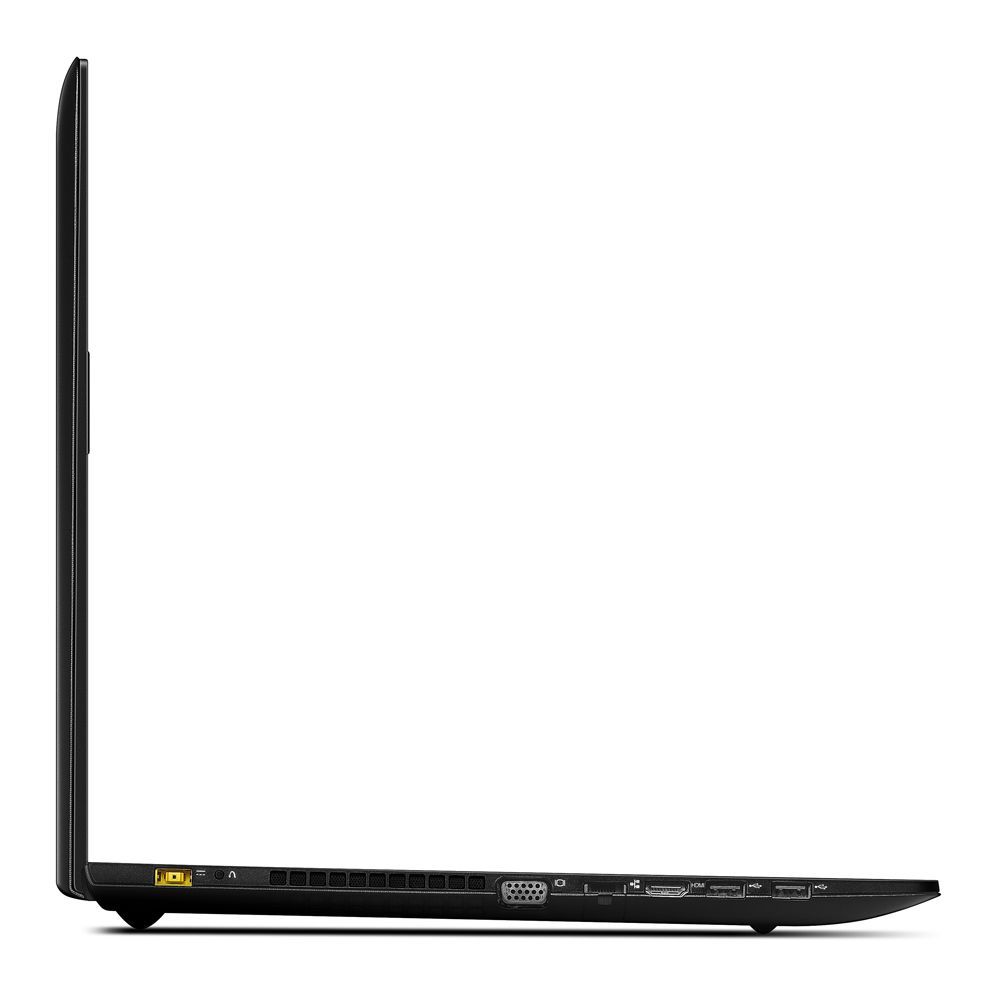
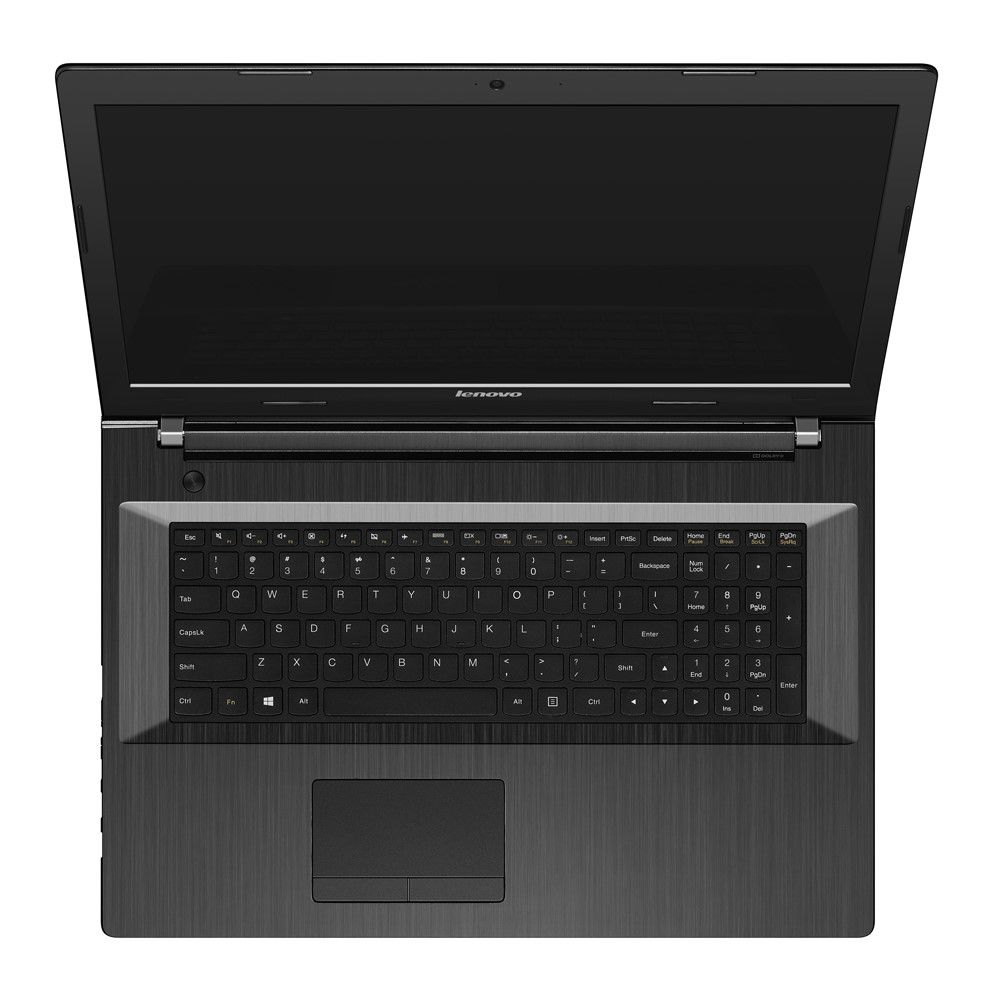
The Lenovo B70-80 Essential Series laptop features DDR3-SDRAM memory upgrades with two SO-DIMM slots supporting a maximum RAM capacity of 16 GB. Compatible memory modules operate at 1600 MHz frequency. The B70-80 specifications accommodate SO-DIMM form factor upgrades, allowing users to expand the existing memory configuration up to the maximum supported capacity of 16 GB total. Memory upgrade compatibility is limited to DDR3 specifications for this Essential Series model.
Memory Upgrade Specifications
| Specification | Value |
|---|---|
| Memory slots | 2x SO-DIMM |
| Form factor | SO-DIMM |
| Memory type | DDR3-SDRAM |
| Frequency | 1600 MHz |
| Maximum RAM | 16 GB |
| Voltage | 1.5V |
| Number of pins | 204-pin |
| Interface | PC3 |
| PC Speed Rating | PC3-1600 (PC3-12800) |
| Bandwidth | 12.8 GB/s |
| Laptop Release date | 23 August 2017 |
Additional Notes
- DDR3-SDRAM operates at 1.5V standard voltage, limiting compatibility with DDR3L (1.35V) modules that some vendors may incorrectly suggest as interchangeable alternatives.
- The 2 SO-DIMM configuration requires matched module capacities (2x 8GB) to reach the 16GB maximum, as asymmetric configurations would prevent dual-channel operation.
- PC3-12800 designation corresponds to the 1600 MHz frequency specification, yielding 12.8 GB/s theoretical bandwidth per channel when both slots operate in dual-channel mode.
- SO-DIMM physical standard measures 67.6mm in length, incompatible with standard DIMM modules used in desktop systems despite identical electrical specifications.
- Single-channel operation occurs when only one slot is populated, reducing memory bandwidth by approximately 50% and creating performance bottlenecks in graphics-intensive applications relying on integrated GPU.
- The 1600 MHz ceiling prevents use of higher-frequency DDR3 modules rated at 1866 MHz or 2133 MHz, as the chipset will either reject or downclock these modules to 1600 MHz.
- CAS latency (CL) ratings between 9 and 11 remain functionally compatible at this frequency, though mixing different latency ratings forces all modules to operate at the slowest common timing.
- Accessing both memory slots typically requires complete bottom panel removal, as one slot is usually surface-mounted on the motherboard while the other may be layered beneath components or shielding.
- Non-parity, non-ECC module architecture is mandatory, as registered or buffered memory types designed for server applications will not initialize in this consumer-grade chipset.
- The DDR3 generation lacks support for XMP (Extreme Memory Profile) overclocking, making advertised speeds beyond JEDEC standards inaccessible even if modules physically install.