LENOVO IdeaPad ideapad C340-14IWL RAM upgrade specifications
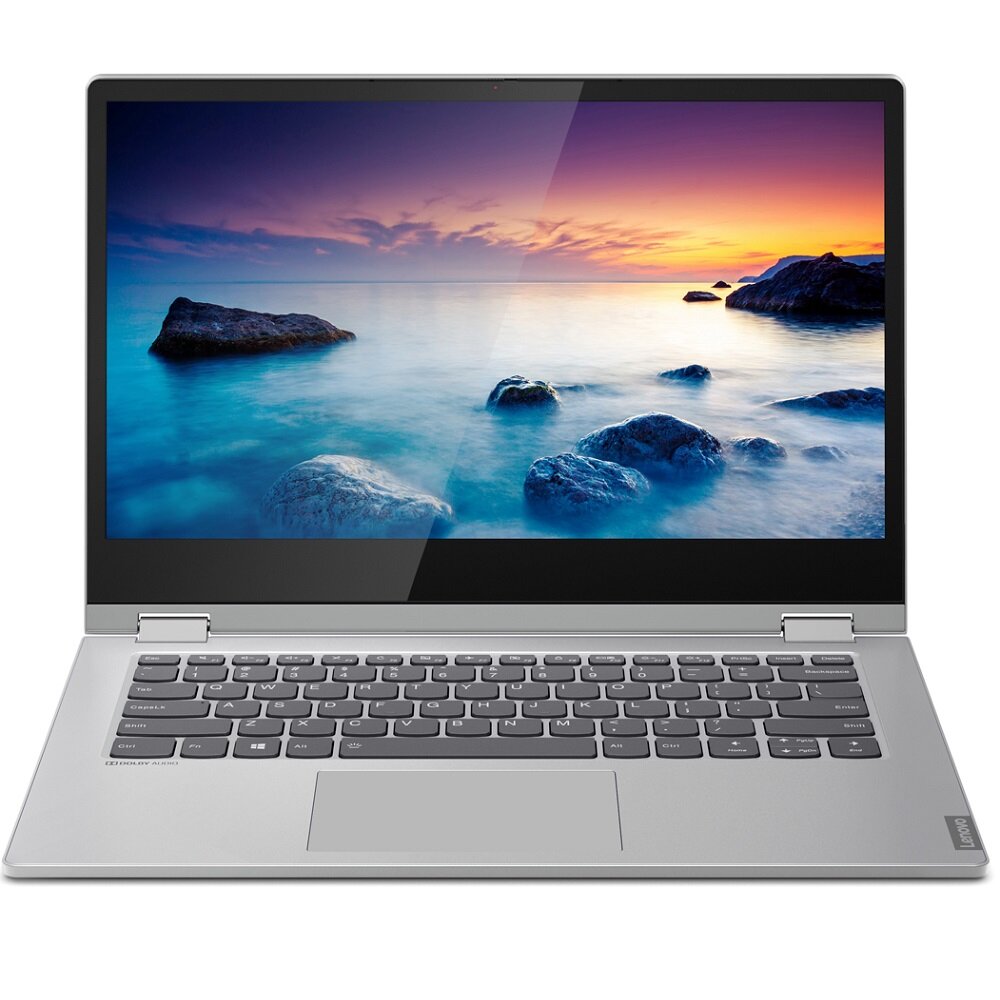
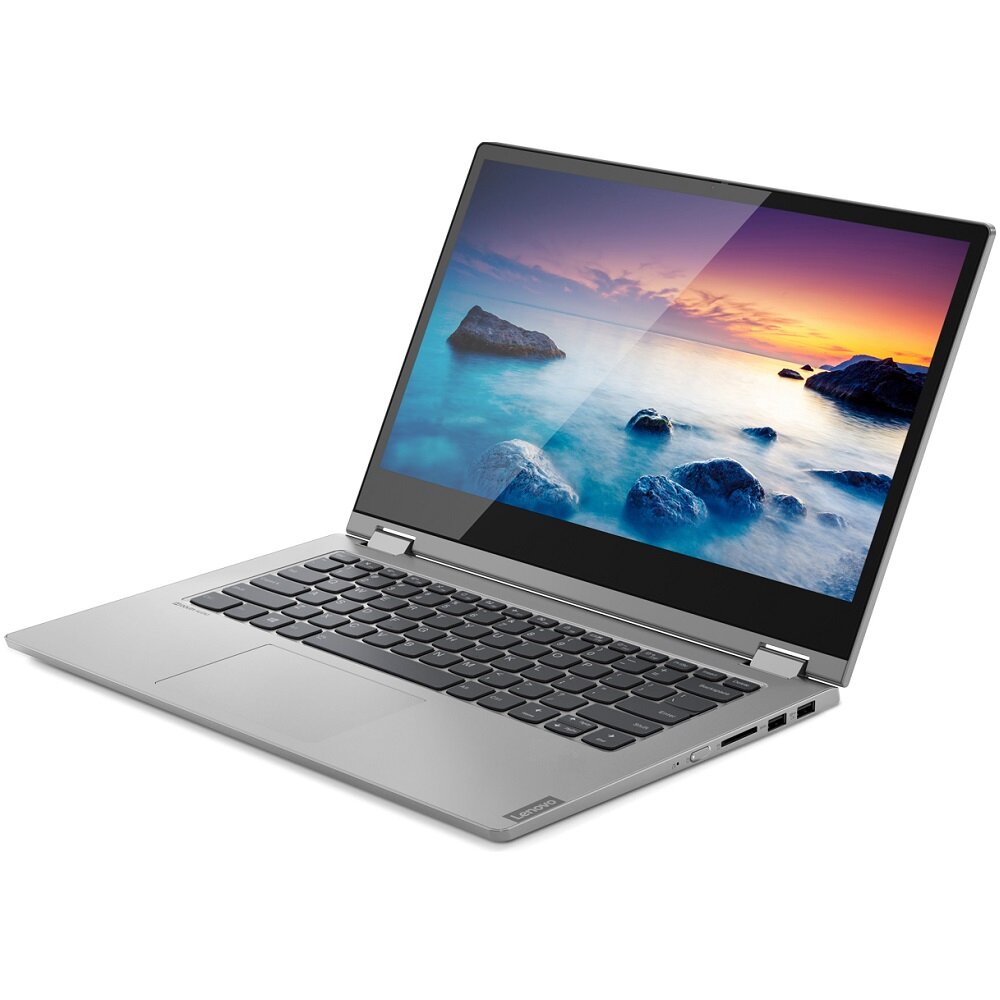

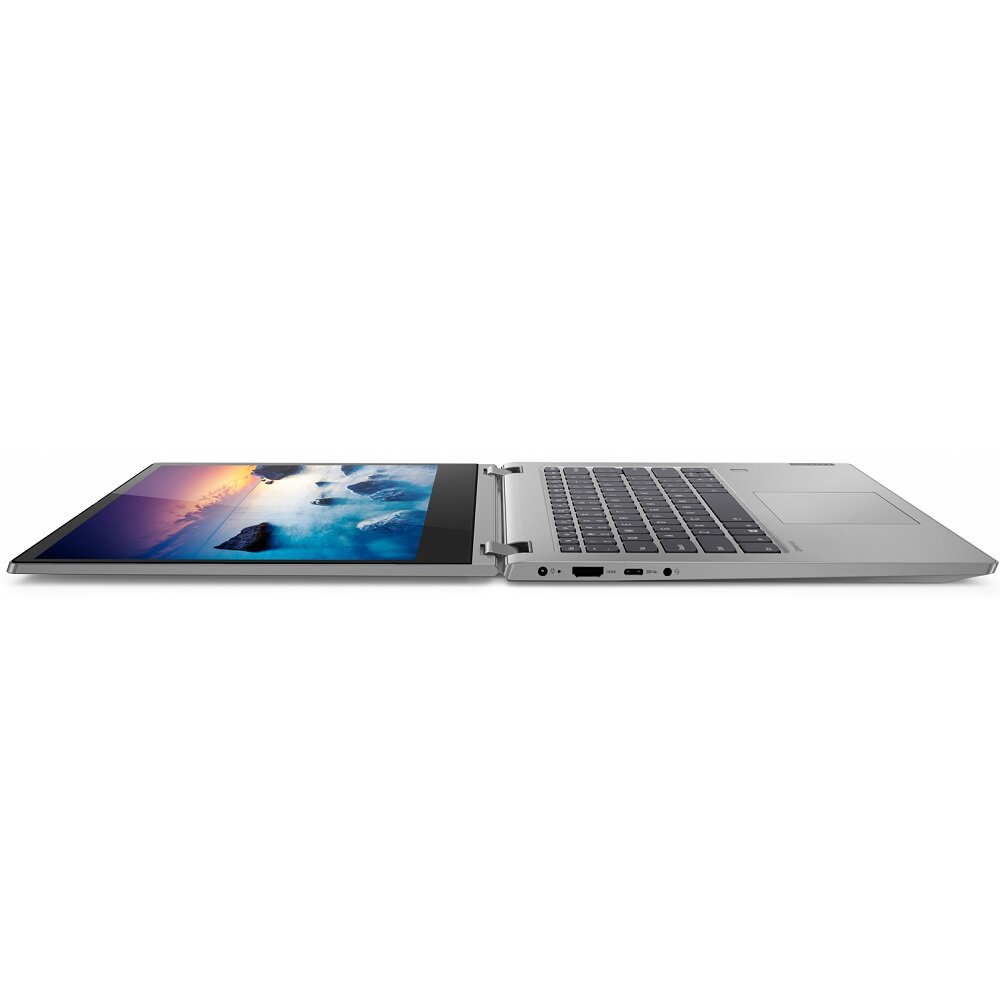
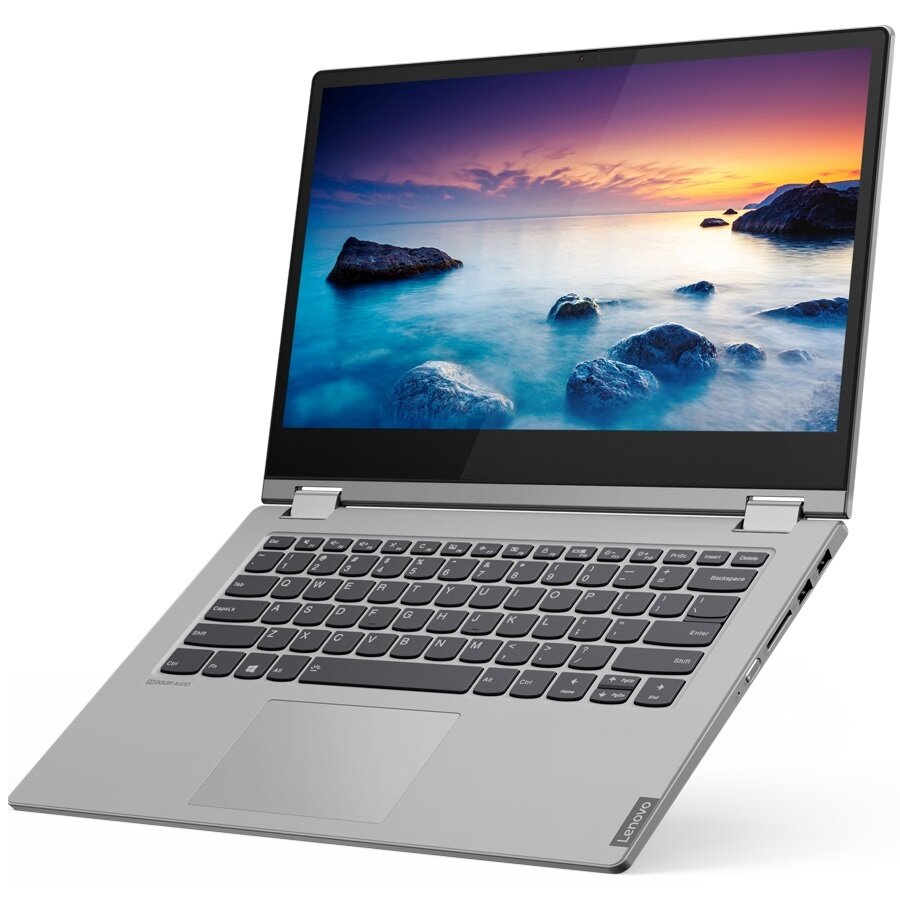
The LENOVO IdeaPad C340-14IWL laptop features DDR4-SDRAM memory architecture with upgrade capacity specifications. This model includes one SO-DIMM slot available for RAM expansion, supporting maximum memory capacity of 16 GB total. The memory operates at 2400 MHz frequency. Upgrade compatibility utilizes DDR4-SDRAM modules in SO-DIMM form factor. The C340-14IWL configuration combines on-board memory with one expandable SO-DIMM slot, allowing users to enhance system RAM performance through compatible memory module installation.
Memory Upgrade Specifications
| Specification | Value |
|---|---|
| Memory slots | 1x SO-DIMM |
| Form factor | On-board + SO-DIMM |
| Memory type | DDR4-SDRAM |
| Frequency | 2400 MHz |
| Maximum RAM | 16 GB |
| Voltage | 1.2V |
| Number of pins | 260-pin |
| Interface | PC4 |
| PC Speed Rating | PC4-2400 (PC4-19200) |
| Bandwidth | 19.2 GB/s |
Additional Notes
- The Lenovo IdeaPad C340-14IWL contains soldered on-board memory paired with a single accessible SO-DIMM slot, creating an asymmetrical configuration that limits total capacity expansion to 16 GB.
- DDR4-2400 MHz frequency represents a constraint on bandwidth; pairing faster DDR4 modules (3200 MHz or higher) in the SO-DIMM slot will operate at 2400 MHz due to controller limitations, negating performance gains from higher-speed RAM.
- The single SO-DIMM slot means maximum practical upgrade adds only 8 GB (assuming the on-board portion is 8 GB), resulting in a 16 GB ceiling rather than doubling current capacity.
- SO-DIMM form factor requires laptop disassembly to access the memory slot; installation voids certain warranty provisions unless performed by authorized service centers.
- Latency behavior with mixed on-board and SO-DIMM modules may cause the system to operate at the slower component's specifications, potentially affecting responsiveness in memory-intensive workloads.
- The 2400 MHz specification indicates this device uses older DDR4 generation controllers; replacement modules must explicitly support this frequency to avoid compatibility errors or system instability.