LENOVO Legion Y540 RAM upgrade specifications
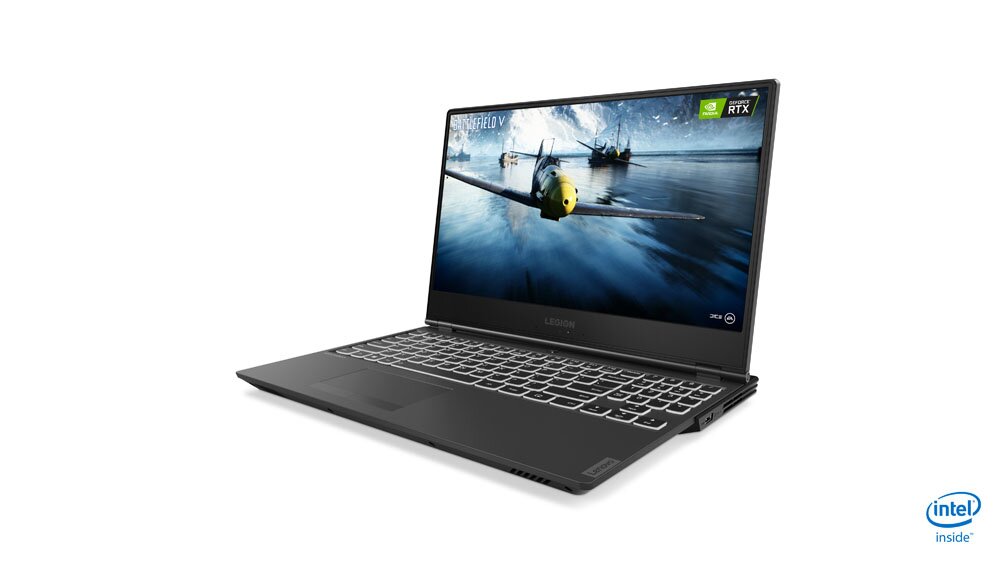
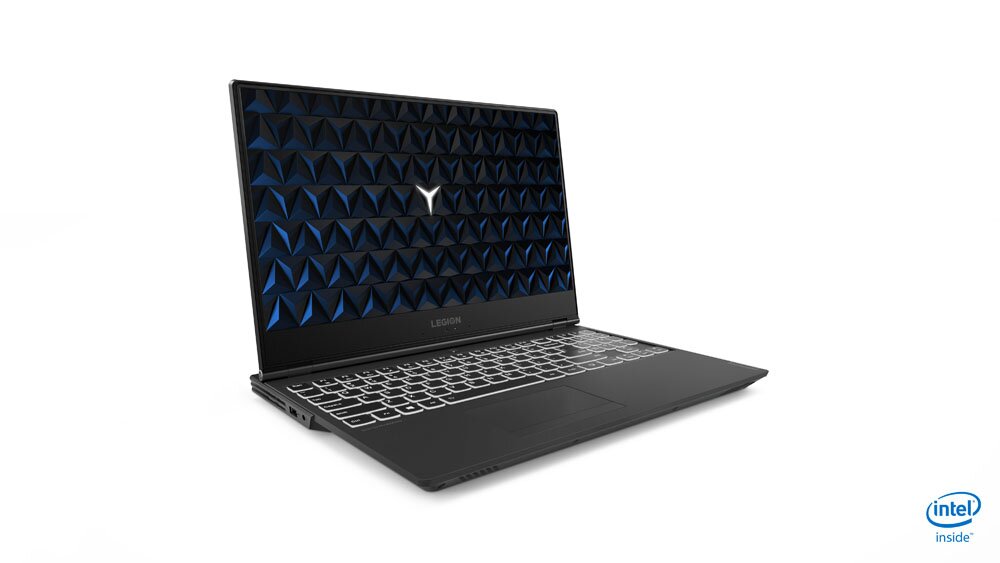
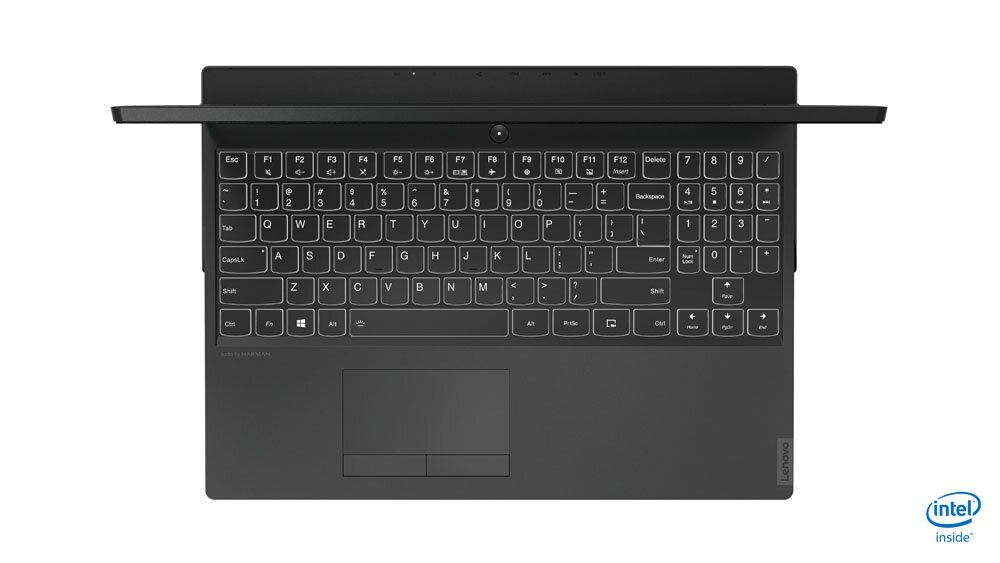
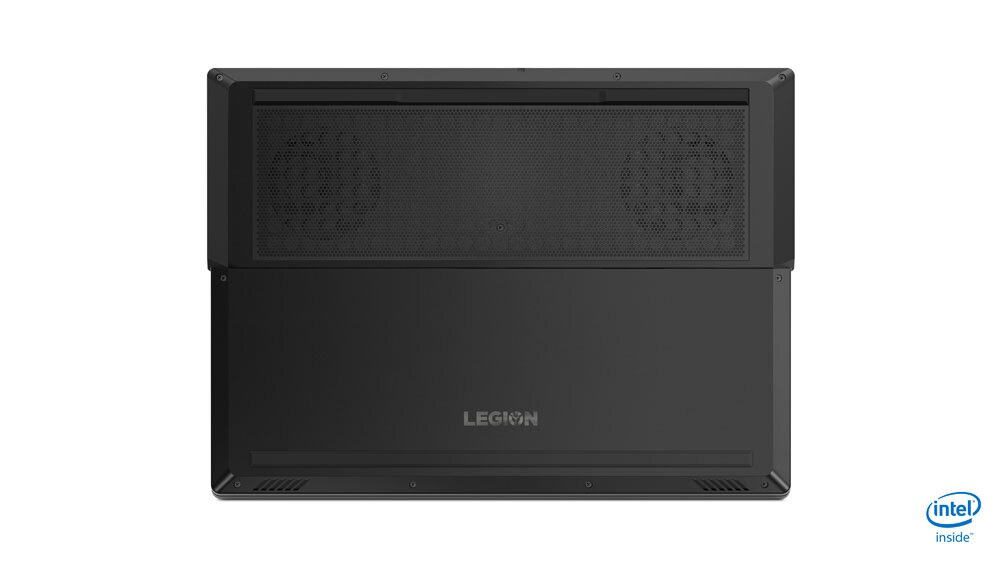
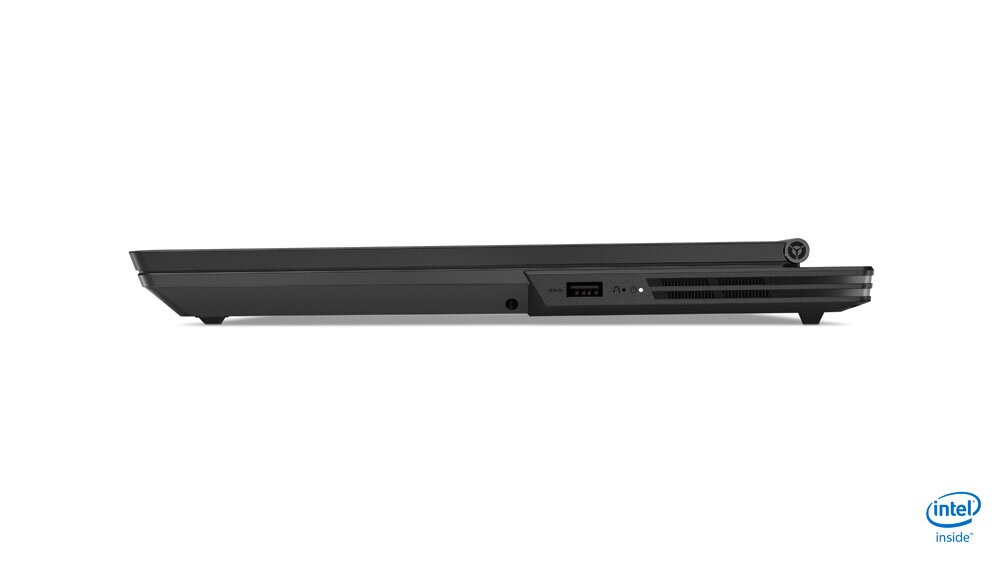
The Lenovo Legion Y540 features two SO-DIMM memory slots supporting DDR4-SDRAM upgrades at 2666 MHz frequency. Maximum RAM capacity reaches 32 GB total. Compatible memory modules utilize the SO-DIMM form factor specifications. Current upgrade options allow users to expand the laptop's memory configuration by installing DDR4 modules into available slots, supporting standard dual-channel memory architecture for this gaming laptop series.
Memory Upgrade Specifications
| Specification | Value |
|---|---|
| Memory slots | 2x SO-DIMM |
| Form factor | SO-DIMM |
| Memory type | DDR4-SDRAM |
| Frequency | 2666 MHz |
| Maximum RAM | 32 GB |
| Voltage | 1.2V |
| Number of pins | 260-pin |
| Interface | PC4 |
| PC Speed Rating | PC4-2666 (PC4-21328) |
| Bandwidth | 21.3 GB/s |
| Laptop Release date | 19 February 2021 |
Additional Notes
- The Lenovo Legion Y540 relies on standard 260-pin SO-DIMM modules, eliminating compatibility concerns with soldered memory configurations that would prevent user upgrades.
- Both memory channels operate at 2666 MHz in dual-channel mode when populated with matching modules, delivering 42.6 GB/s theoretical bandwidth compared to 21.3 GB/s when running a single module.
- Installing modules with different speeds forces all memory to operate at the lowest frequency among installed modules, potentially underutilizing faster RAM.
- The 32 GB maximum capacity requires 2 modules of 16 GB each, as single 32 GB SO-DIMM modules would exceed the per-slot density limit enforced by the memory controller.
- Mixing different module capacities maintains functionality but may disable dual-channel operation for memory addresses beyond the smaller module's capacity, creating asymmetric performance zones.
- DDR4-2666 represents JEDEC standard timing rather than overclocked XMP profiles, ensuring broad compatibility without BIOS adjustments or stability risks from unsupported overclocking.
- Systems shipped with single-channel configurations experience measurable performance reduction in graphics-intensive applications, as integrated or dedicated GPUs compete for memory bandwidth with the CPU.
- The SO-DIMM form factor requires accessing the bottom panel, where warranty seals may be present depending on the region, though memory upgrades typically remain user-serviceable without voiding coverage.
- Higher frequency modules rated at 3200 MHz will physically install but downclock to 2666 MHz, offering no performance advantage while potentially increasing cost unnecessarily.
- ECC SO-DIMM modules are incompatible despite matching physical dimensions, as consumer-oriented chipsets in this platform lack error-correcting code support.