MSI Alpha 15 A3DDK-012CA RAM upgrade specifications



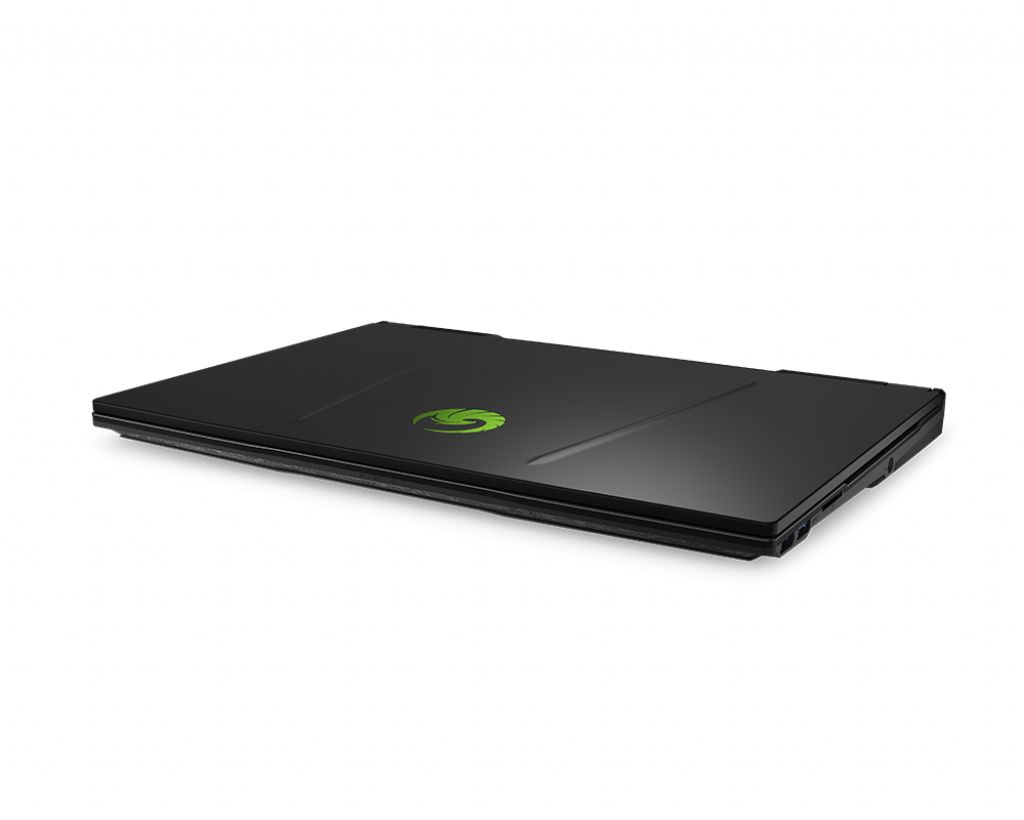

MSI Alpha 15 A3DDK-012CA laptop features two SO-DIMM slots supporting DDR4-SDRAM memory upgrades. The system accommodates a maximum RAM capacity of 64 GB, with compatible modules operating at 2666 MHz frequency. Memory upgrade specifications enable expansion from the factory configuration through installation of additional DDR4 SO-DIMM modules into available slots. This Alpha series model supports standard DDR4-SDRAM memory upgrades for enhanced multitasking performance and application responsiveness.
Memory Upgrade Specifications
| Specification | Value |
|---|---|
| Memory slots | 2x SO-DIMM |
| Form factor | SO-DIMM |
| Memory type | DDR4-SDRAM |
| Frequency | 2666 MHz |
| Maximum RAM | 64 GB |
| Voltage | 1.2V |
| Number of pins | 260-pin |
| Interface | PC4 |
| PC Speed Rating | PC4-2666 (PC4-21328) |
| Bandwidth | 21.3 GB/s |
| Laptop Release date | 25 November 2019 |
Additional Notes
- The MSI Alpha 15 A3DDK-012CA contains 2 SO-DIMM slots, which means single-slot configurations will not achieve maximum memory capacity and upgrades require populating both slots simultaneously for optimal performance.
- DDR4-2666 MHz specification indicates the system operates below contemporary DDR4 standard frequencies (3200 MHz+), creating a potential bandwidth ceiling that may constrain performance when paired with higher-frequency RAM modules, as the chipset will downclock incompatible memory to 2666 MHz.
- The 64 GB maximum capacity threshold establishes an upgrade ceiling; configurations exceeding this capacity will not be recognized or will cause POST failures, necessitating verification of module count and density before purchase.
- SO-DIMM form factor requires laptop-specific memory modules rather than desktop UDIMM equivalents; standard desktop RAM will not physically fit and installation attempts may damage both the module and the laptop's memory socket.
- Warranty coverage typically remains intact when upgrading to manufacturer-approved specifications (DDR4-2666, 64 GB max); however, mixing memory brands, speeds, or densities across the 2 slots may trigger stability issues that could complicate warranty claims if attributed to incompatible third-party components.
- Asymmetric slot population (adding 32 GB to one slot while leaving the other empty) may force the system into single-channel memory mode rather than dual-channel operation, reducing effective bandwidth by approximately 50 percent despite higher total capacity.