MSI Alpha 15 A3DDK-034 RAM upgrade specifications



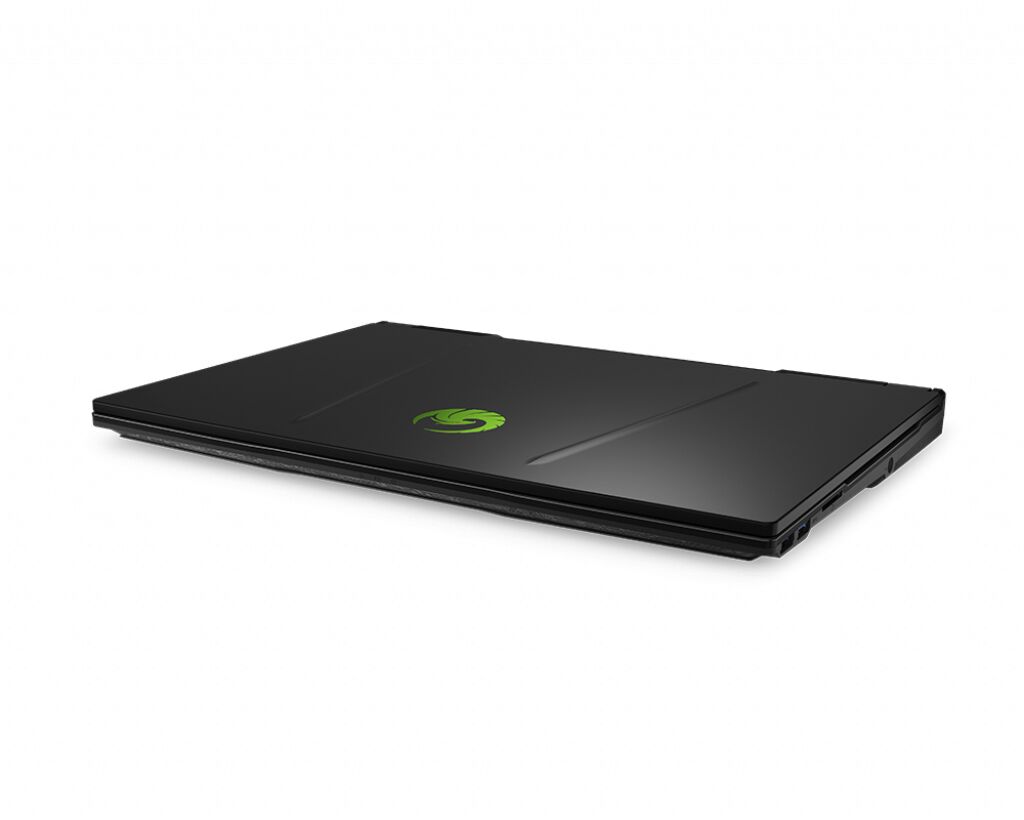

MSI Alpha 15 A3DDK-034 laptop specifications include DDR4-SDRAM memory upgrade capacity. The device features two SO-DIMM slots supporting maximum RAM installation of 64 GB total. Memory operates at 2400 MHz frequency with SO-DIMM form factor compatibility. Upgrade specifications indicate dual-slot architecture enabling memory expansion from factory configuration to maximum supported capacity through DDR4-SDRAM modules.
Memory Upgrade Specifications
| Specification | Value |
|---|---|
| Memory slots | 2x SO-DIMM |
| Form factor | SO-DIMM |
| Memory type | DDR4-SDRAM |
| Frequency | 2400 MHz |
| Maximum RAM | 64 GB |
| Voltage | 1.2V |
| Number of pins | 260-pin |
| Interface | PC4 |
| PC Speed Rating | PC4-2400 (PC4-19200) |
| Bandwidth | 19.2 GB/s |
| Laptop Release date | 15 May 2020 |
Additional Notes
- The 2400 MHz frequency operates below the DDR4 standard's typical 3200 MHz ceiling, potentially leaving performance headroom unused in memory-intensive applications.
- The dual SO-DIMM configuration enables symmetric dual-channel population, which doubles theoretical memory bandwidth compared to single-module installations.
- Reaching the 64 GB ceiling requires two 32 GB modules, a density that narrows vendor options and increases cost per gigabyte compared to mainstream 16 GB modules.
- DDR4 SO-DIMM voltage typically operates at 1.2V, generating less heat than older DDR3 standards and reducing thermal throttling risk during sustained workloads.
- The MSI Alpha 15 A3DDK-034 memory controller's 2400 MHz specification prevents faster modules from running beyond this speed, automatically downclocking higher-rated RAM.
- Mixing modules with different latencies or timings may force the system to adopt the slowest common denominator, degrading overall memory responsiveness.
- Non-ECC DDR4 modules align with consumer-grade platforms, while ECC variants would face compatibility rejection during POST.
- Physical SO-DIMM installation requires accessing bottom-panel screws, which may void regional warranties if factory seals are broken without authorized service involvement.
- Single-rank versus dual-rank module architecture affects how the memory controller schedules operations, with dual-rank configurations sometimes improving interleaved access patterns.
- Populating both slots to maximum capacity eliminates future expansion paths short of full module replacement.