MSI Alpha 15 A4DEK-024MX RAM upgrade specifications
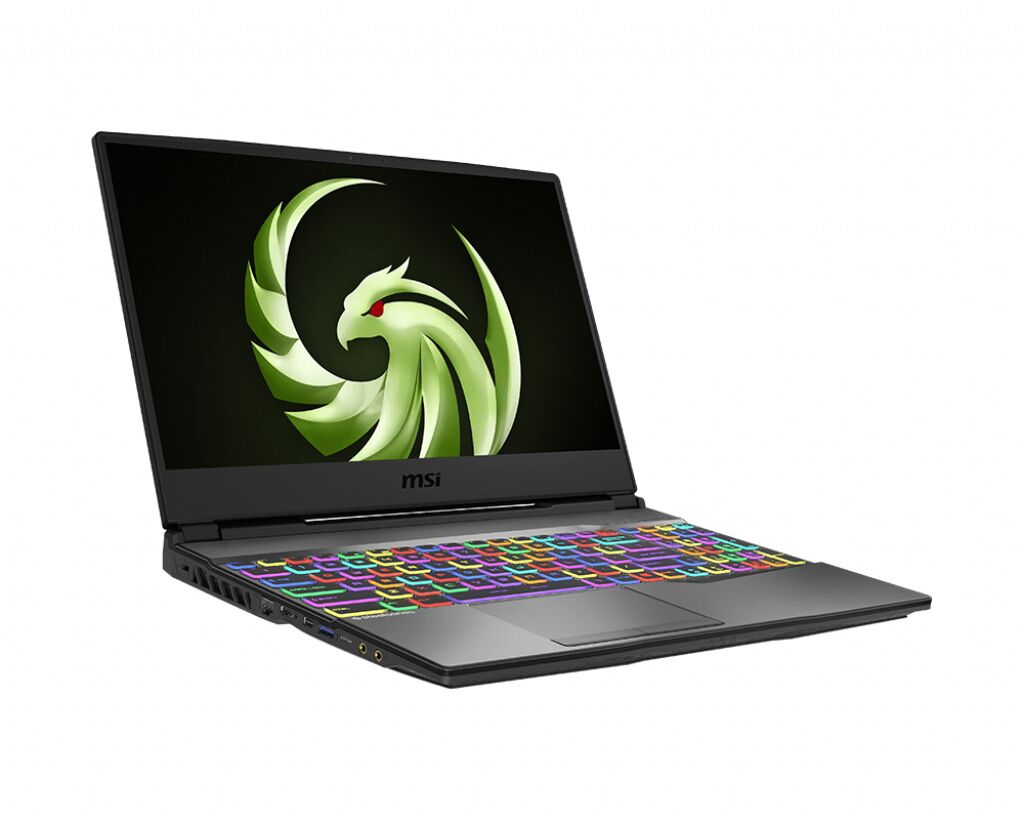
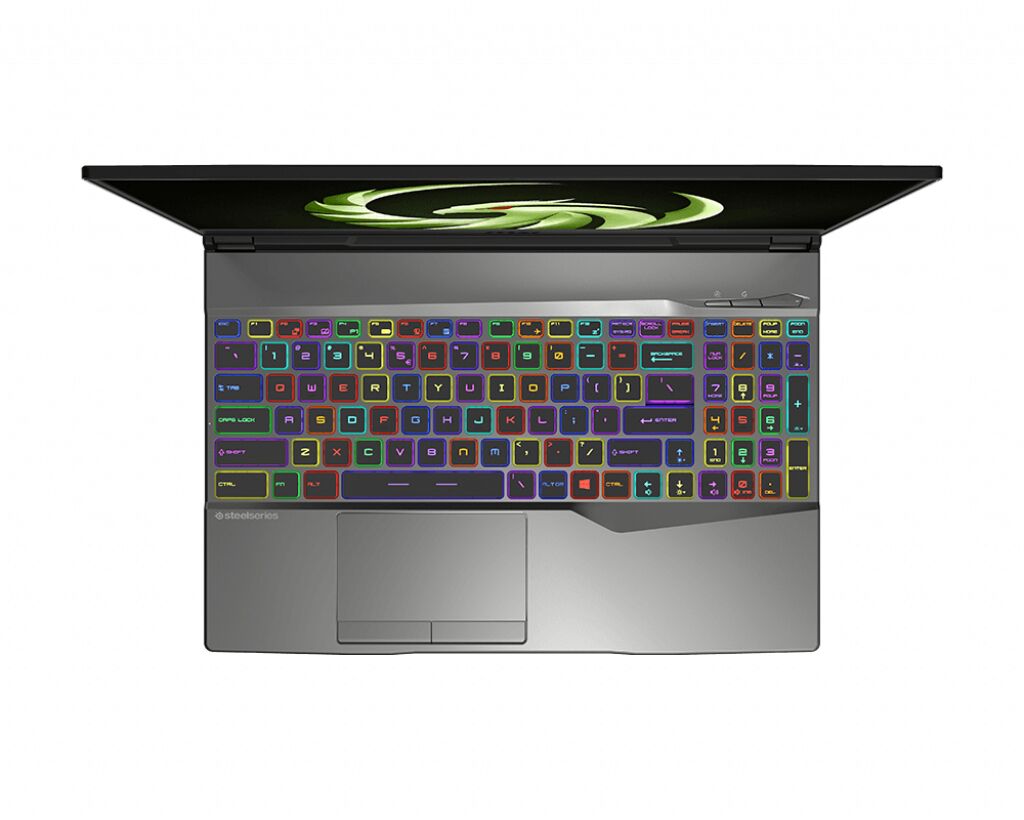
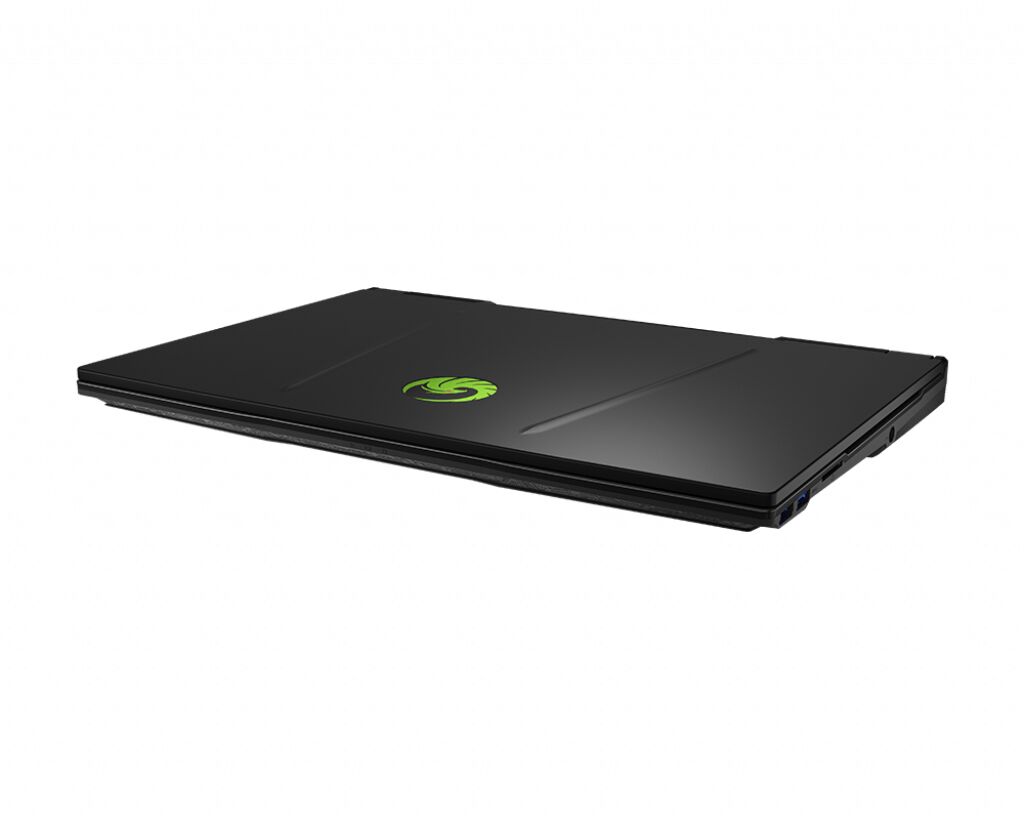
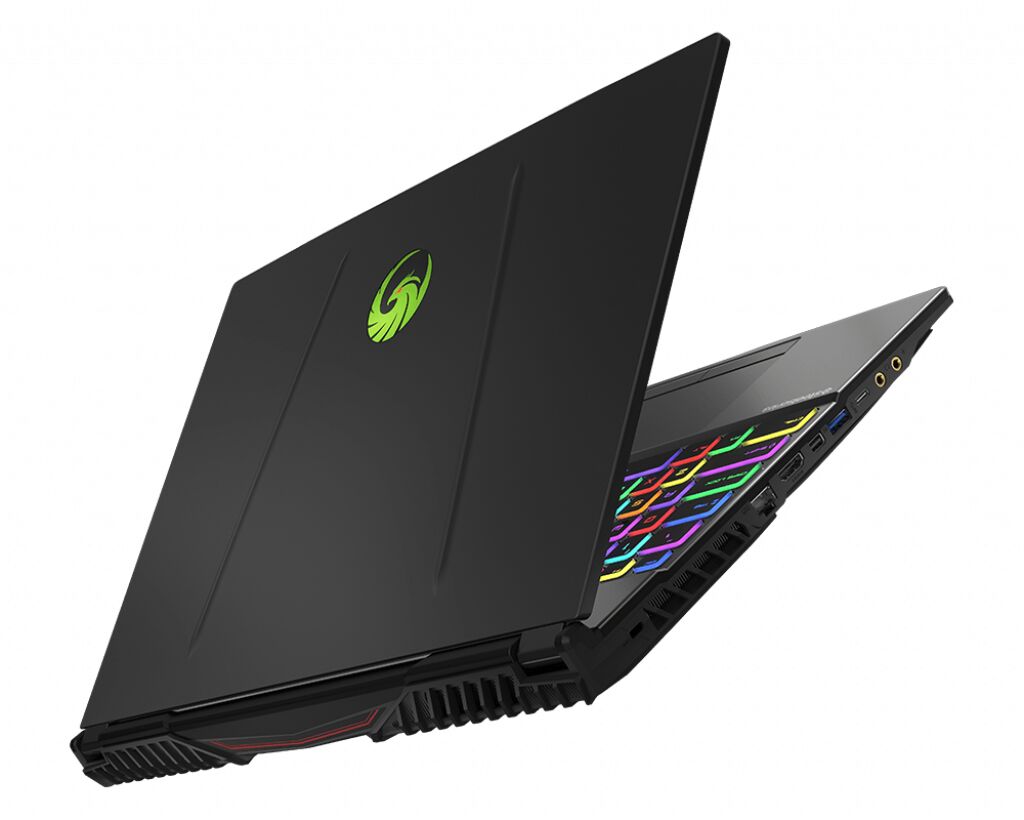
MSI Alpha 15 A4DEK-024MX laptop features DDR4-SDRAM memory upgrade specifications with 2x SO-DIMM slots supporting maximum capacity of 64 GB total RAM. Compatible memory modules operate at 3200 MHz frequency. SO-DIMM form factor specifications determine upgrade compatibility. Existing memory configuration expandable through additional SO-DIMM installation in available upgrade slots. Specifications outline maximum memory support and compatible DDR4-SDRAM module parameters for this MSI Alpha series model.
Memory Upgrade Specifications
| Specification | Value |
|---|---|
| Memory slots | 2x SO-DIMM |
| Form factor | SO-DIMM |
| Memory type | DDR4-SDRAM |
| Frequency | 3200 MHz |
| Maximum RAM | 64 GB |
| Voltage | 1.2V |
| Number of pins | 260-pin |
| Interface | PC4 |
| PC Speed Rating | PC4-3200 (PC4-25600) |
| Bandwidth | 25.6 GB/s |
| Laptop Release date | 13 November 2021 |
Additional Notes
- The MSI Alpha 15 A4DEK-024MX supports dual-channel memory architecture through its 2 SO-DIMM slots, enabling doubled theoretical bandwidth compared to single-channel configurations when matched modules are installed.
- DDR4-3200 operates at PC4-25600 specification, delivering 25.6 GB/s bandwidth per channel or 51.2 GB/s in dual-channel mode, which affects frame rates in GPU-intensive applications and integrated graphics performance.
- The 64 GB ceiling requires 2 modules of 32 GB each, a configuration that may limit availability from certain manufacturers compared to more common 8 GB or 16 GB density modules.
- SO-DIMM physical dimensions measure 67.6 mm in length compared to 133.35 mm desktop DIMM modules, making standard desktop memory mechanically incompatible despite electrical similarities.
- Mixing modules with different speeds results in all memory operating at the lowest common frequency, potentially reducing 3200 MHz modules to 2666 MHz or 2400 MHz if paired with slower components.
- JEDEC-standard DDR4 voltage operates at 1.2V, while XMP/overclocked modules may require 1.35V or higher, which some laptop BIOSs cannot accommodate without manual voltage control options.
- Asymmetric capacity configurations, such as pairing 8 GB with 16 GB modules, enable flex mode on compatible systems but restrict dual-channel operation to the matched portion of total capacity.
- Memory access from bottom panel typically requires complete disassembly on this chassis type, involving battery disconnect procedures to maintain warranty compliance during user upgrades.
- CAS latency variations between CL16, CL18, and CL22 modules at identical frequencies produce measurable differences in read/write operations, with tighter timings reducing effective latency by 2-3 nanoseconds.
- Non-ECC unbuffered modules represent the standard for consumer laptops, as ECC registered memory requires different chipset support not present in typical gaming-oriented platforms.