MSI Alpha ALPHA 15 A3DC-084 RAM upgrade specifications



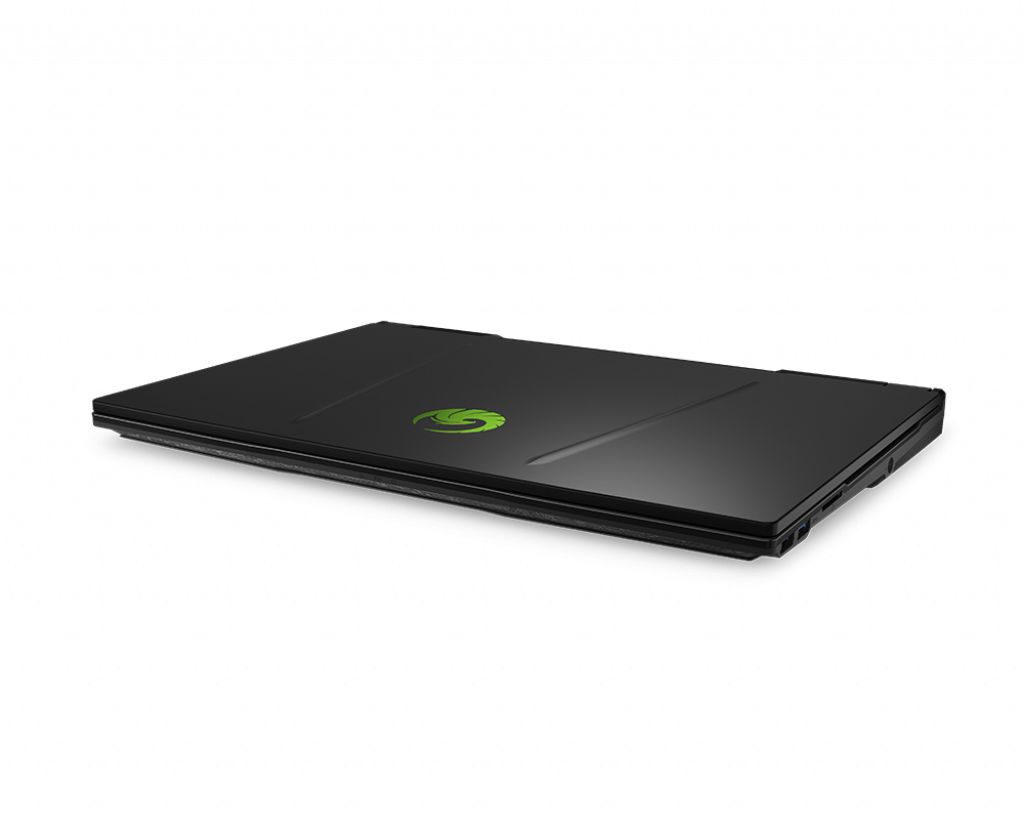

MSI Alpha 15 A3DC-084 laptop RAM upgrade specifications include two SO-DIMM memory slots compatible with DDR4-SDRAM modules. The system supports maximum memory capacity of 64 GB with DDR4 operating at 2666 MHz frequency. Memory upgrade options are available for expanding the laptop's RAM capacity through compatible SO-DIMM form factor modules. Specifications indicate dual-slot configuration allowing for modular memory expansion up to the maximum supported capacity.
Memory Upgrade Specifications
| Specification | Value |
|---|---|
| Memory slots | 2x SO-DIMM |
| Form factor | SO-DIMM |
| Memory type | DDR4-SDRAM |
| Frequency | 2666 MHz |
| Maximum RAM | 64 GB |
| Voltage | 1.2V |
| Number of pins | 260-pin |
| Interface | PC4 |
| PC Speed Rating | PC4-2666 (PC4-21328) |
| Bandwidth | 21.3 GB/s |
| Laptop Release date | 23 December 2019 |
Additional Notes
- The MSI Alpha 15 A3DC-084 requires low-profile SO-DIMM modules rather than standard desktop DIMMs due to spatial constraints in the laptop chassis.
- Both memory slots are accessible, allowing dual-channel configuration for maximum memory bandwidth when using matched pairs.
- The 2666 MHz specification represents JEDEC standard speed, meaning faster modules rated at 3200 MHz or higher will downclock to match the system's supported frequency.
- DDR4 modules operate at 1.2V, distinguishing them from DDR3 variants and preventing cross-generation compatibility despite physical slot similarity.
- The 64 GB ceiling necessitates 2x32 GB modules to reach maximum capacity, requiring verification that 32 GB single-module densities are supported by the memory controller.
- Mixing modules with different timings or manufacturers may force the system to operate at the slowest common denominator, potentially reducing performance below rated specifications.
- DDR4-2666 provides 21.3 GB/s bandwidth per channel, yielding 42.6 GB/s aggregate throughput in dual-channel mode when both slots are populated identically.
- Single-channel operation occurs when only one slot is filled, halving memory bandwidth and potentially creating bottlenecks in graphics-intensive applications that share system memory.
- Non-ECC unbuffered modules are standard for consumer laptops, as registered or error-correcting memory types introduce compatibility conflicts with mainstream chipsets.
- Upgrades exceeding the maximum supported capacity may prevent POST completion or cause intermittent system instability despite physical installation success.
- CAS latency variations between CL19 and CL22 modules at identical frequencies affect real-world access times, though differences remain minimal in typical usage scenarios.
- The DDR4 generation lacks backward compatibility with DDR3 sockets due to notch repositioning and voltage differences, preventing accidental installation of incompatible modules.