MSI Creator 15 A10SDT-065ES RAM upgrade specifications
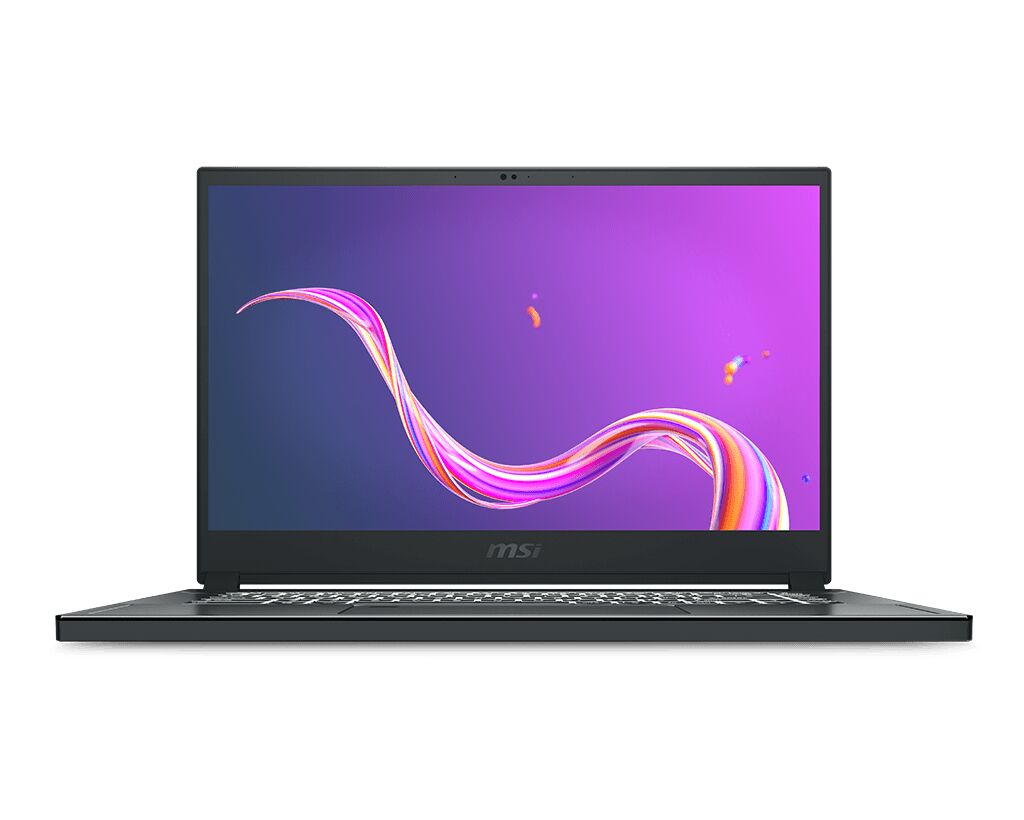
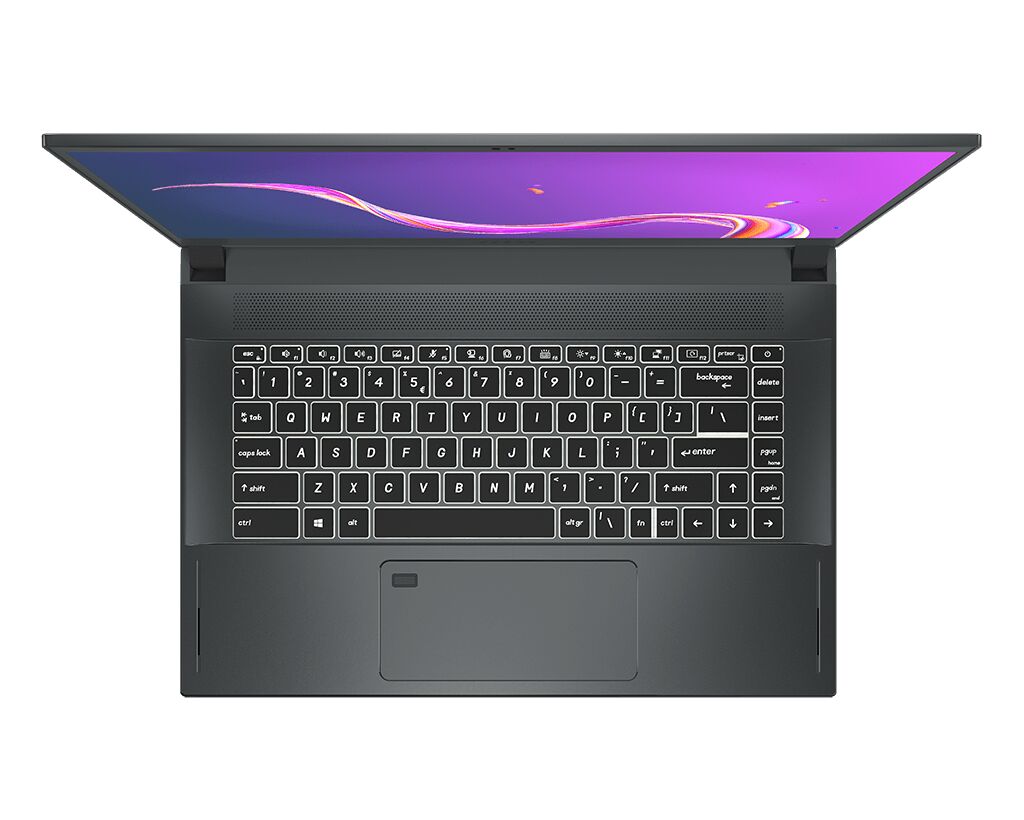
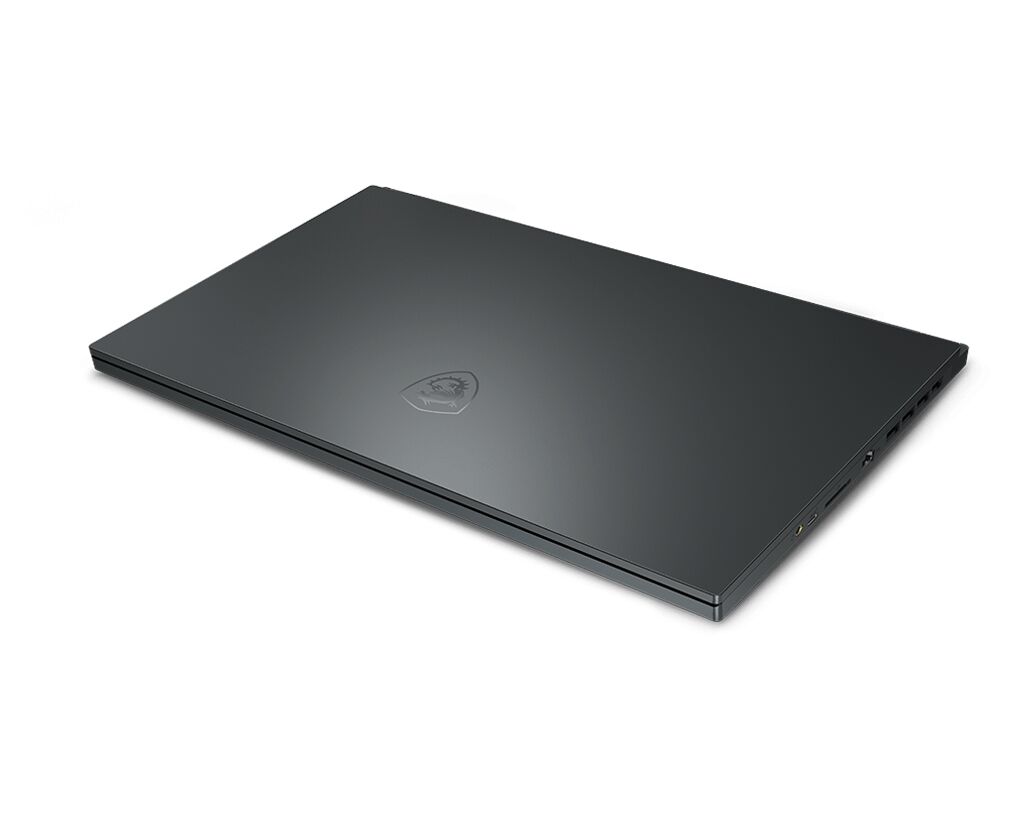
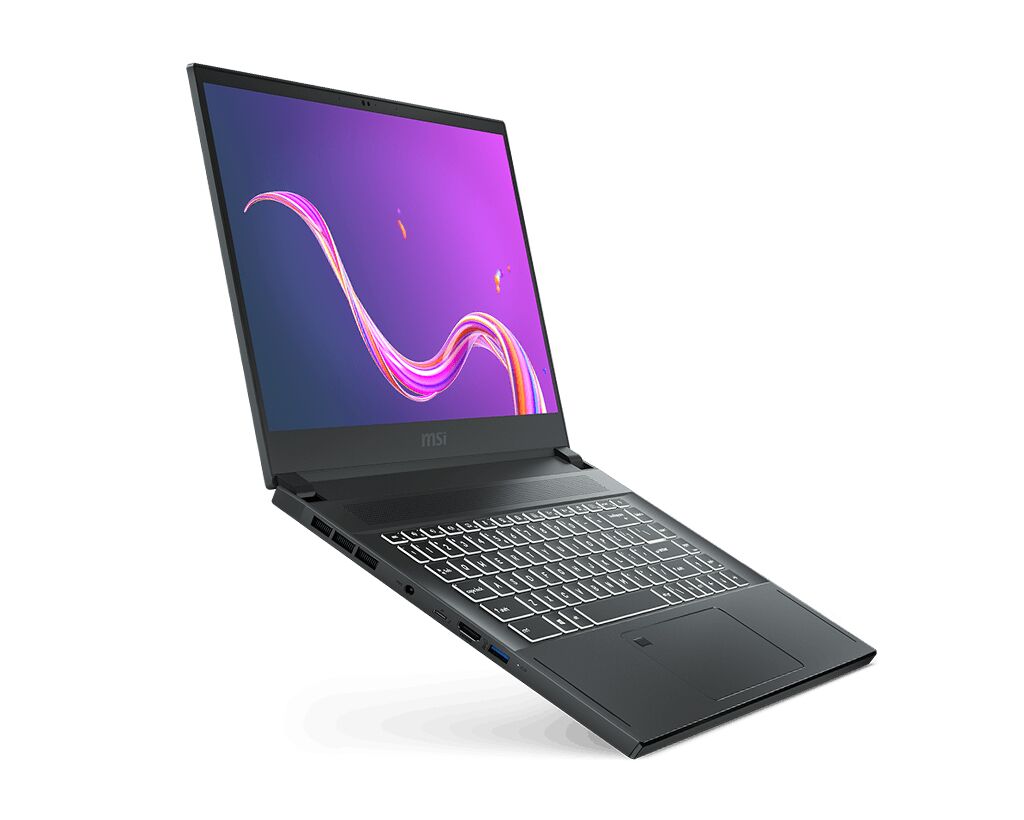
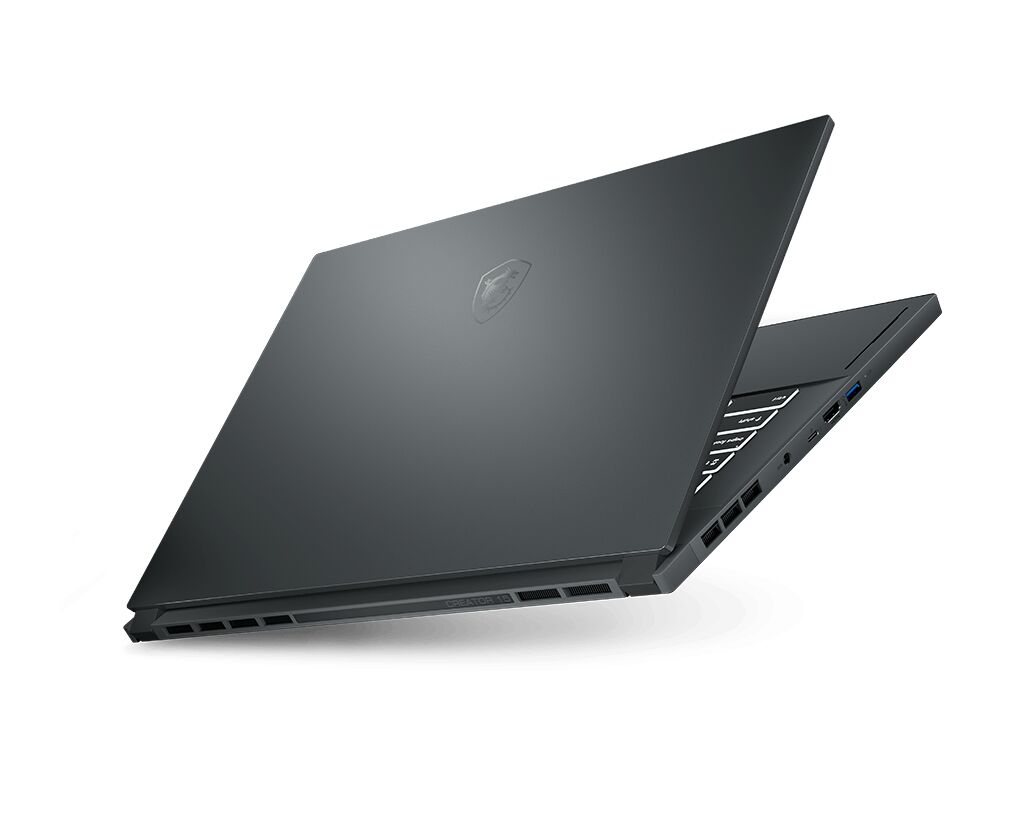
The MSI Creator 15 A10SDT-065ES laptop features DDR4-SDRAM memory upgrade specifications with dual SO-DIMM slots supporting maximum capacity of 64 GB RAM. The memory operates at 2666 MHz frequency. This model is compatible with SO-DIMM form factor upgrades, allowing users to expand installed memory through the available slots. Specifications indicate the laptop supports DDR4 technology for enhanced performance and multitasking capabilities.
Memory Upgrade Specifications
| Specification | Value |
|---|---|
| Memory slots | 2x SO-DIMM |
| Form factor | SO-DIMM |
| Memory type | DDR4-SDRAM |
| Frequency | 2666 MHz |
| Maximum RAM | 64 GB |
| Voltage | 1.2V |
| Number of pins | 260-pin |
| Interface | PC4 |
| PC Speed Rating | PC4-2666 (PC4-21328) |
| Bandwidth | 21.3 GB/s |
| Laptop Release date | 16 June 2020 |
Additional Notes
- The MSI Creator 15 A10SDT-065ES supports DDR4 SO-DIMM modules with a maximum capacity of 32 GB per slot, which determines the 64 GB ceiling.
- The 2666 MHz frequency specification indicates compatibility with DDR4-2666 modules, but faster modules rated at 2933 MHz or 3200 MHz will downclock to match the supported speed.
- Both memory slots must be populated with identical capacity and speed modules to enable dual-channel mode, which doubles the effective memory bandwidth from 21.3 GB/s to 42.6 GB/s.
- The SO-DIMM form factor requires modules approximately 67.6 mm in length, significantly shorter than standard desktop DIMM modules measuring 133.35 mm.
- Single-channel configuration with one occupied slot will create a performance bottleneck for integrated graphics operations and memory-intensive applications.
- Voltage specification defaults to 1.2V for standard DDR4 SO-DIMM modules, while low-voltage DDR4L variants operating at 1.35V may cause compatibility issues.
- The absence of ECC support means error-correcting code memory modules will function in non-ECC mode, negating their premium cost without providing data integrity benefits.
- Access to memory slots typically requires complete bottom panel removal and possible battery disconnection, which may void warranty if manufacturer seals are broken.
- Mixing different memory brands or timings across the 2 slots can result in system instability or forced operation at the lowest common denominator specifications.
- The Intel 10th generation platform lacks native support for DDR4 speeds above 2933 MHz without XMP profiles, which are rarely supported in mobile BIOS implementations.