MSI Creator 15 A10SF-008 RAM upgrade specifications
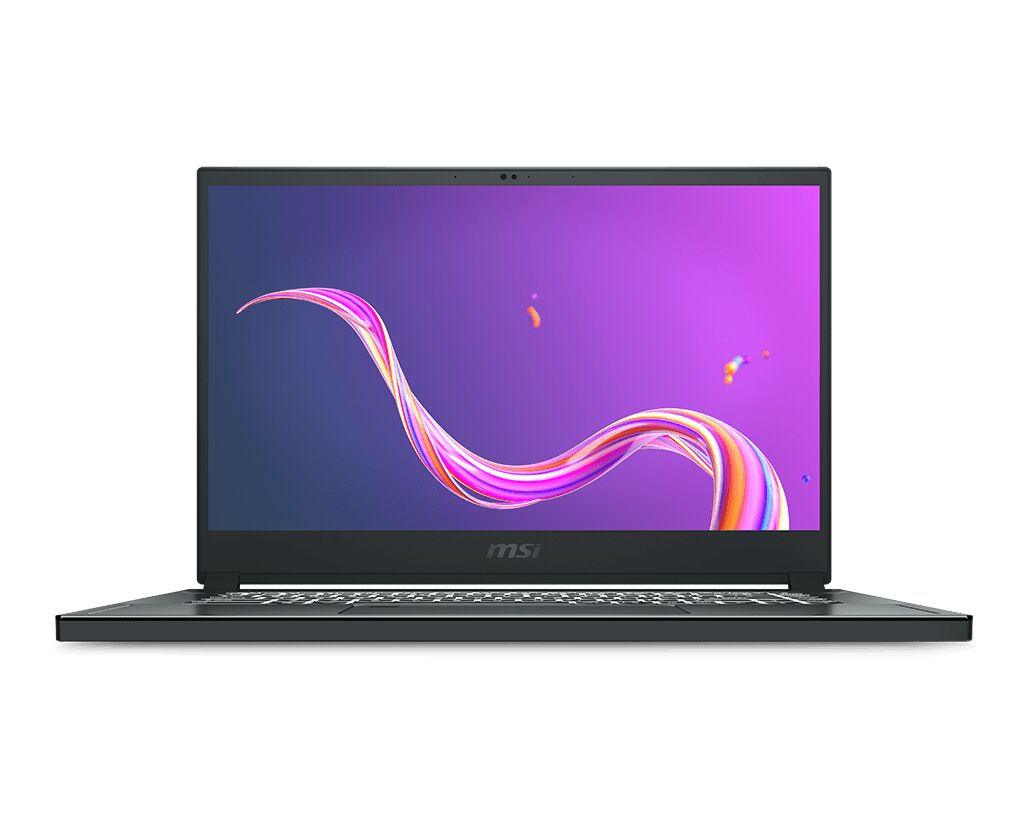
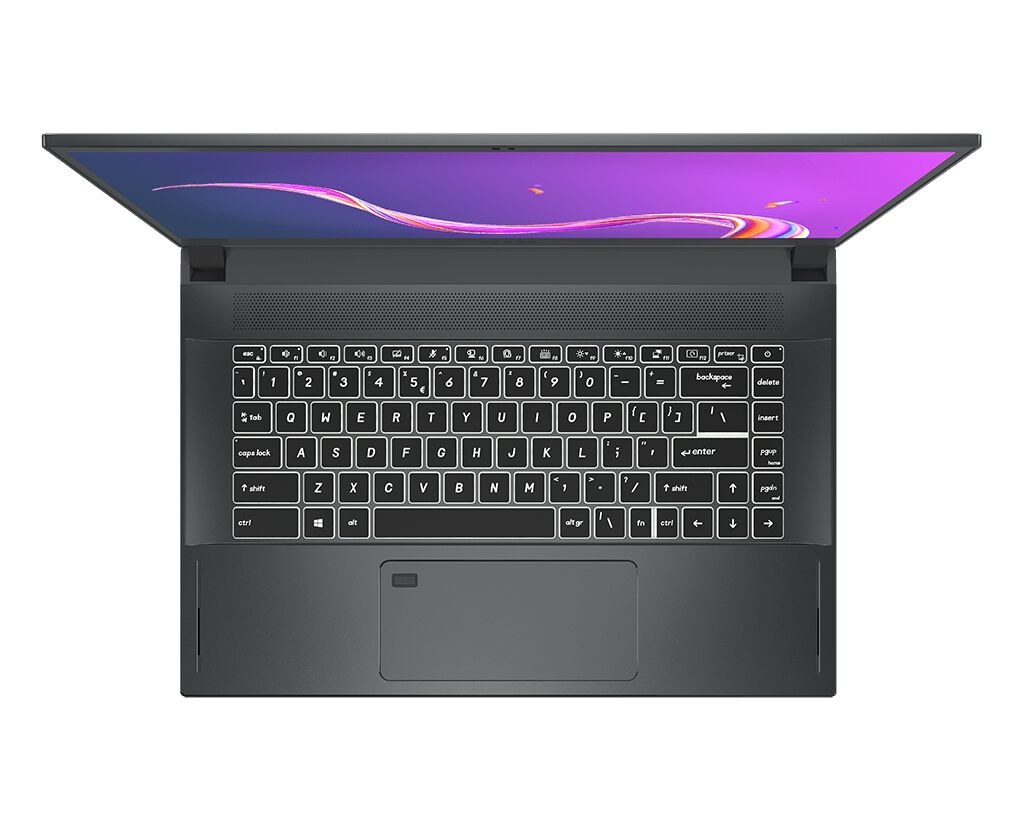
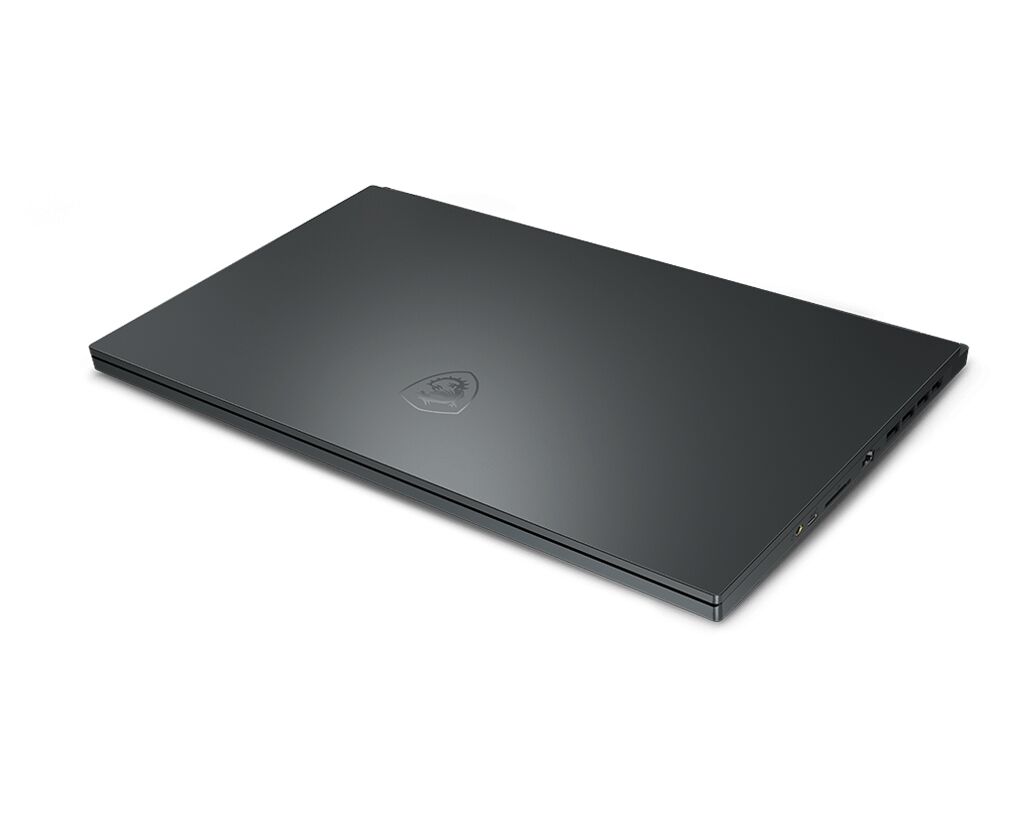
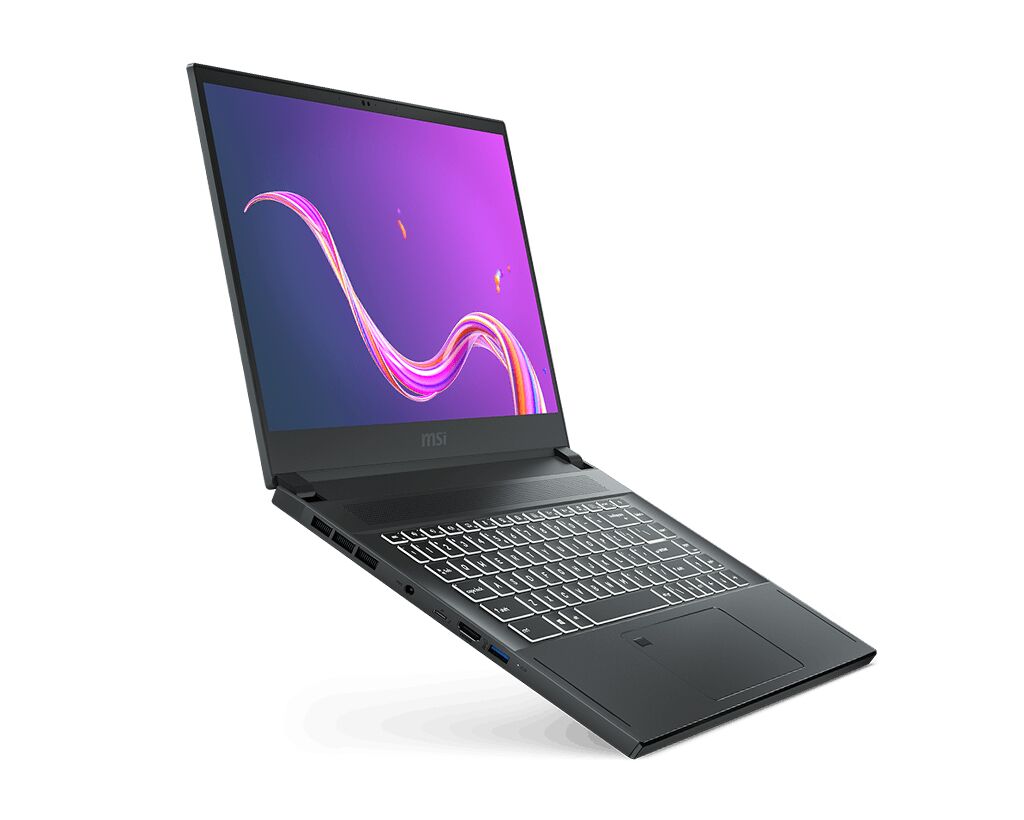
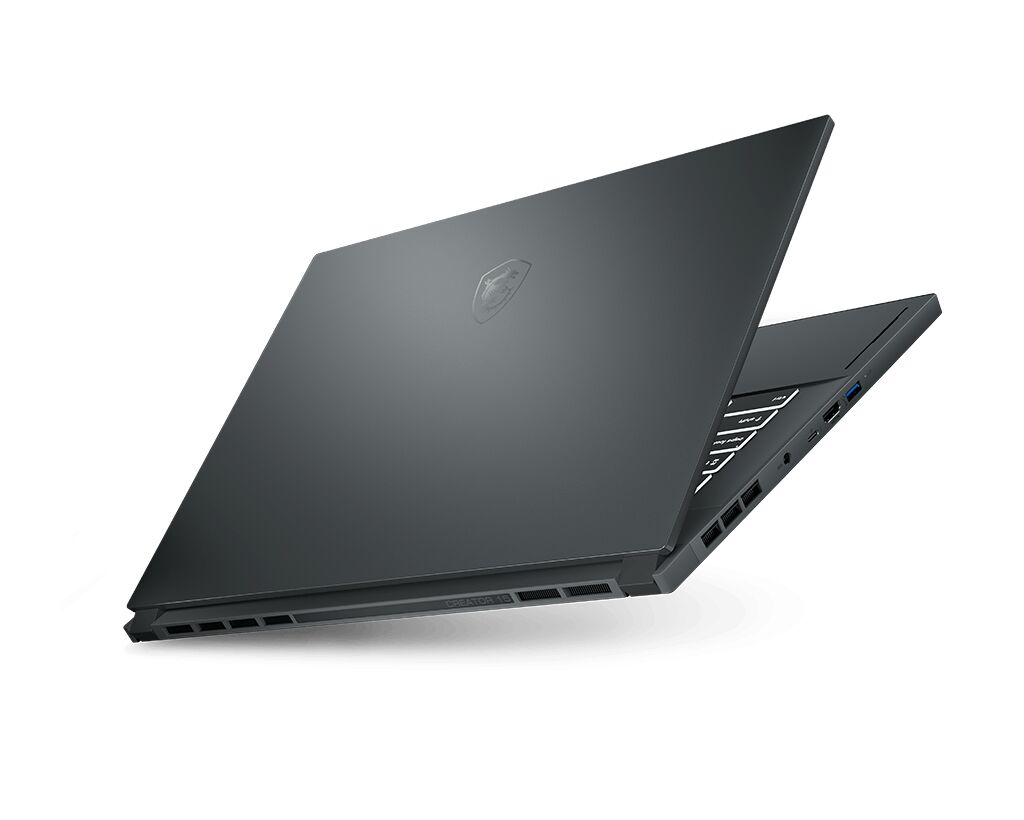
The MSI Creator 15 A10SF-008 laptop features two SO-DIMM slots supporting DDR4-SDRAM memory upgrades. Maximum RAM capacity reaches 64 GB total, with compatible modules operating at 2666 MHz frequency. The specifications indicate the memory upgrade slots accommodate standard SO-DIMM form factor DDR4 modules, enabling users to expand system memory from factory configurations up to the maximum supported capacity of 64 GB across both slots.
Memory Upgrade Specifications
| Specification | Value |
|---|---|
| Memory slots | 2x SO-DIMM |
| Form factor | SO-DIMM |
| Memory type | DDR4-SDRAM |
| Frequency | 2666 MHz |
| Maximum RAM | 64 GB |
| Voltage | 1.2V |
| Number of pins | 260-pin |
| Interface | PC4 |
| PC Speed Rating | PC4-2666 (PC4-21328) |
| Bandwidth | 21.3 GB/s |
| Laptop Release date | 10 August 2020 |
Additional Notes
- The MSI Creator 15 A10SF-008 operates with DDR4 memory running at 2666 MHz, which represents a bandwidth ceiling of approximately 21 GB/s per channel. This frequency is below contemporary DDR4 standards (3200 MHz typical), potentially creating a performance limitation when paired with higher-end mobile processors that benefit from faster memory access patterns.
- Installation capacity reaches 64 GB maximum across 2 SO-DIMM slots, requiring both slots to be populated with 32 GB modules. This configuration eliminates single-slot upgrade flexibility and necessitates complete memory replacement rather than incremental additions beyond the original equipped capacity.
- SO-DIMM form factor constrains module selection to laptop-specific memory. Desktop DDR4 UDIMM modules are physically incompatible and cannot be adapted without external enclosures, restricting upgrade sources to mobile-class memory products only.
- Warranty considerations typically permit SO-DIMM replacement without voiding coverage, as memory is classified as user-serviceable on most Creator series units. However, installation must preserve the existing DDR4-2666 MHz specification; mixing frequencies or JEDEC standards can trigger stability issues and potential warranty complications.
- The 64 GB upper limit represents a hard ceiling due to chipset and BIOS constraints in this generation. Attempting to install higher-capacity modules or non-standard memory configurations will result in either non-recognition or system failure.