MSI Creator A10SFS-269 RAM upgrade specifications

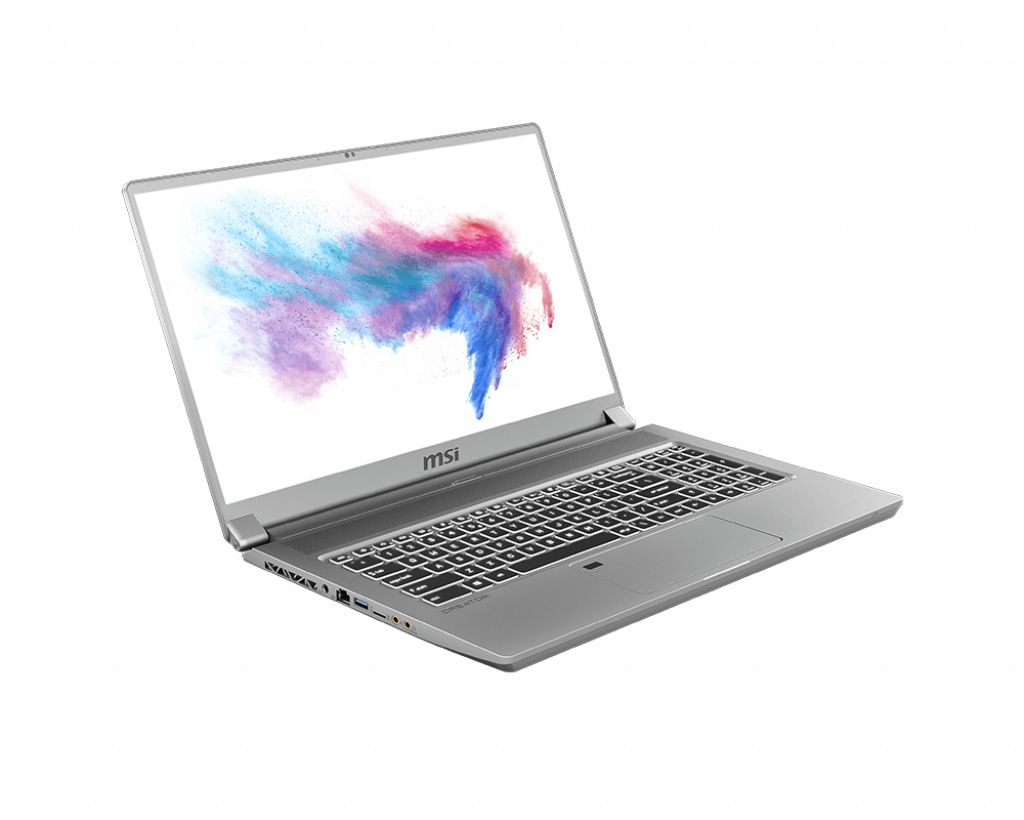


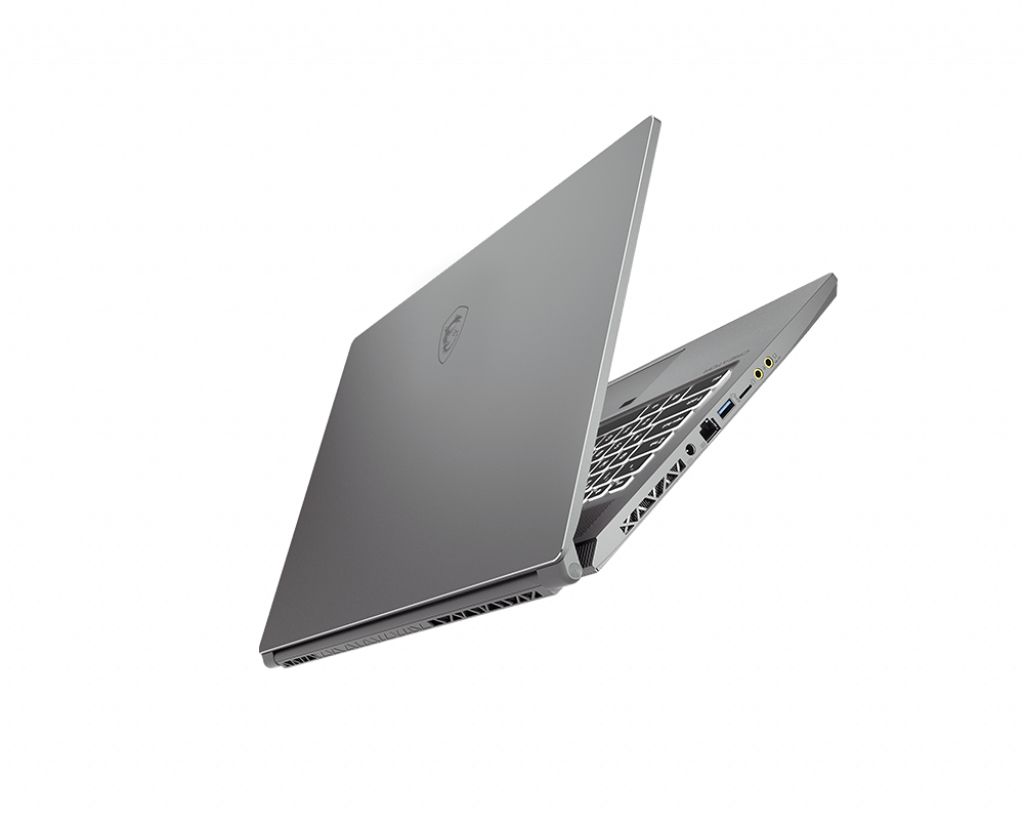
MSI Creator Series 17 model A10SFS-269 features DDR4-SDRAM memory specifications with 2x SO-DIMM slots supporting maximum RAM capacity of 64 GB. The laptop's memory upgrade specifications include SO-DIMM form factor compatible modules operating at 2666 MHz frequency. Owners may upgrade the existing memory configuration by installing additional compatible DDR4-SDRAM modules in the available slots to achieve the maximum supported capacity of 64 GB total system memory.
Memory Upgrade Specifications
| Specification | Value |
|---|---|
| Memory slots | 2x SO-DIMM |
| Form factor | SO-DIMM |
| Memory type | DDR4-SDRAM |
| Frequency | 2666 MHz |
| Maximum RAM | 64 GB |
| Voltage | 1.2V |
| Number of pins | 260-pin |
| Interface | PC4 |
| PC Speed Rating | PC4-2666 (PC4-21328) |
| Bandwidth | 21.3 GB/s |
| Laptop Release date | 25 April 2020 |
Additional Notes
- The MSI Creator A10SFS-269 requires modules compliant with JEDEC DDR4-2666 specifications to maintain dual-channel operation without stability issues.
- SO-DIMM form factor restricts compatibility to laptop-specific memory modules, as desktop DIMM modules are physically incompatible with the 260-pin slot architecture.
- The 64 GB ceiling necessitates 2x 32 GB module configuration, which limits flexibility compared to systems offering 4-slot configurations.
- Operating at 2666 MHz creates potential bandwidth constraints for GPU-intensive workflows, as this frequency provides approximately 42.6 GB/s theoretical maximum in dual-channel mode.
- Modules rated above 2666 MHz will downclock to match the controller's maximum supported frequency, potentially wasting premium paid for higher-speed RAM.
- Both slots must remain accessible without motherboard removal for warranty-compliant upgrades, though chassis disassembly procedures vary by manufacturer.
- Mixing module capacities between slots will disable dual-channel mode, halving memory bandwidth to approximately 21.3 GB/s.
- Voltage requirements typically default to 1.2V for DDR4-2666, though some modules require BIOS adjustment to prevent boot failures.
- Thermal constraints in compact chassis may throttle performance if modules lack integrated heat spreaders during sustained memory-intensive operations.
- Rank configuration differences between single-rank and dual-rank 32 GB modules can affect compatibility despite matching frequency and capacity specifications.