MSI Creator 17M A10SD-215 RAM upgrade specifications
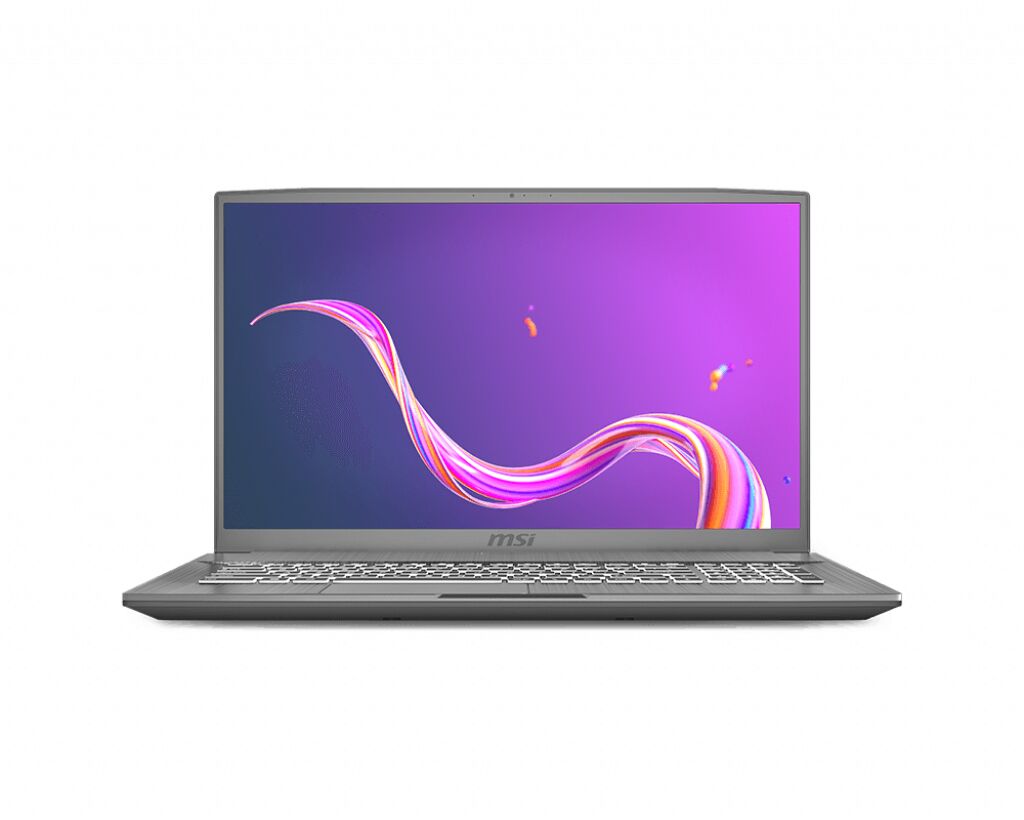


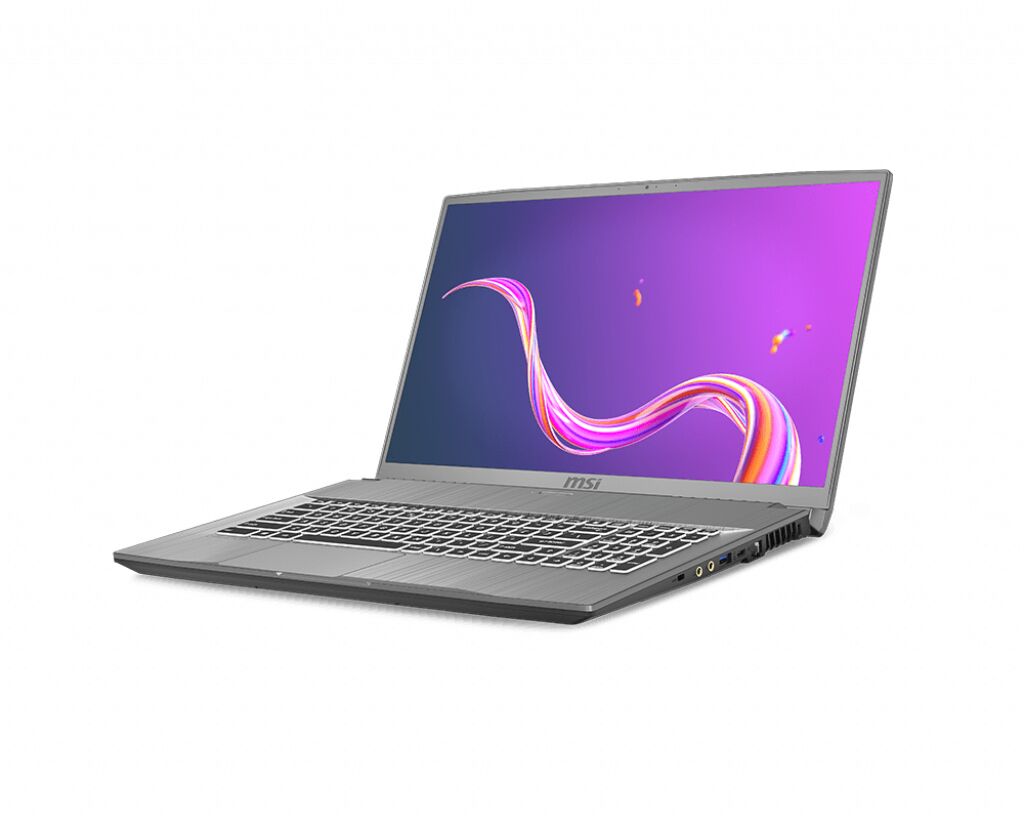
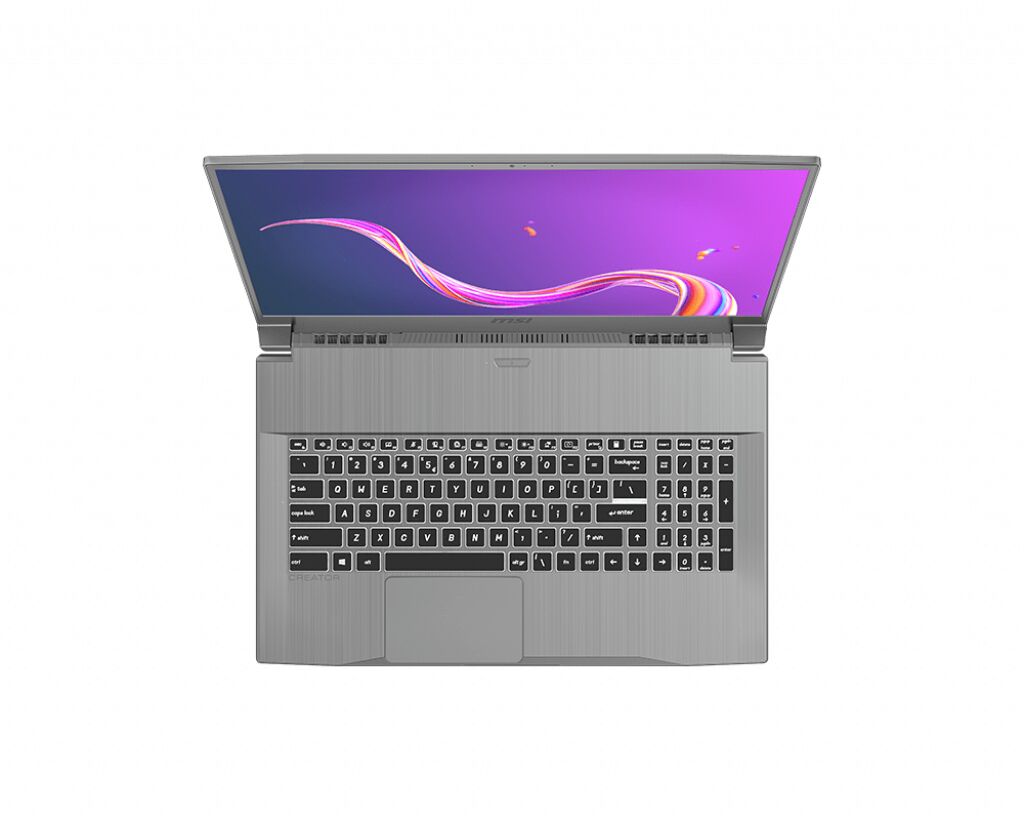
MSI Creator 17M A10SD-215 laptop RAM upgrade specifications indicate DDR4-SDRAM memory type with 2x SO-DIMM slots available for upgrade. Maximum RAM capacity reaches 64 GB total installation. Compatible memory operates at 2666 MHz frequency. SO-DIMM form factor specifications apply to memory module requirements. Current upgrade slots support DDR4 specifications for this MSI model.
Memory Upgrade Specifications
| Specification | Value |
|---|---|
| Memory slots | 2x SO-DIMM |
| Form factor | SO-DIMM |
| Memory type | DDR4-SDRAM |
| Frequency | 2666 MHz |
| Maximum RAM | 64 GB |
| Voltage | 1.2V |
| Number of pins | 260-pin |
| Interface | PC4 |
| PC Speed Rating | PC4-2666 (PC4-21328) |
| Bandwidth | 21.3 GB/s |
| Laptop Release date | 30 June 2020 |
Additional Notes
- The MSI Creator 17M A10SD-215 supports dual-channel memory architecture through its 2 SO-DIMM slots, enabling theoretical bandwidth of up to 42.6 GB/s when both slots are populated with matched modules.
- Desktop memory modules (standard DIMM) are physically incompatible with this system due to the SO-DIMM requirement, which measures 67.6mm versus desktop modules at 133.35mm.
- Higher frequency modules rated at 3200 MHz or above will downclock to 2666 MHz, as the memory controller enforces this ceiling regardless of installed module specifications.
- Single-sided SO-DIMM modules (8 chip configuration) typically offer better compatibility in thermal-constrained laptop chassis compared to double-sided variants (16 chip configuration) that generate higher heat loads.
- Mixing modules with different speeds, latencies, or capacities forces the system to operate all memory at the lowest common specifications, potentially degrading performance below single-module configurations.
- The 64 GB maximum capacity requires 2x32GB SO-DIMM modules, which were not widely available until 2020 and may require BIOS updates on earlier production units to ensure proper recognition.
- DDR4-2666 represents JEDEC standard specification, meaning non-XMP modules will typically function without manual BIOS configuration compared to overclocked memory profiles.
- Voltage specifications are locked at 1.2V for standard DDR4 operation, preventing the use of low-voltage DDR4L modules designed for 1.05V or high-performance modules requiring 1.35V.
- Accessing the memory slots requires bottom panel removal, and some manufacturers void warranties when user-accessible compartments are opened without authorized service involvement.
- ECC (Error-Correcting Code) SO-DIMM modules, while physically compatible, lack chipset support in consumer-grade systems and will either fail to boot or operate in non-ECC mode.