MSI Creator Z16HXStudio RAM upgrade specifications
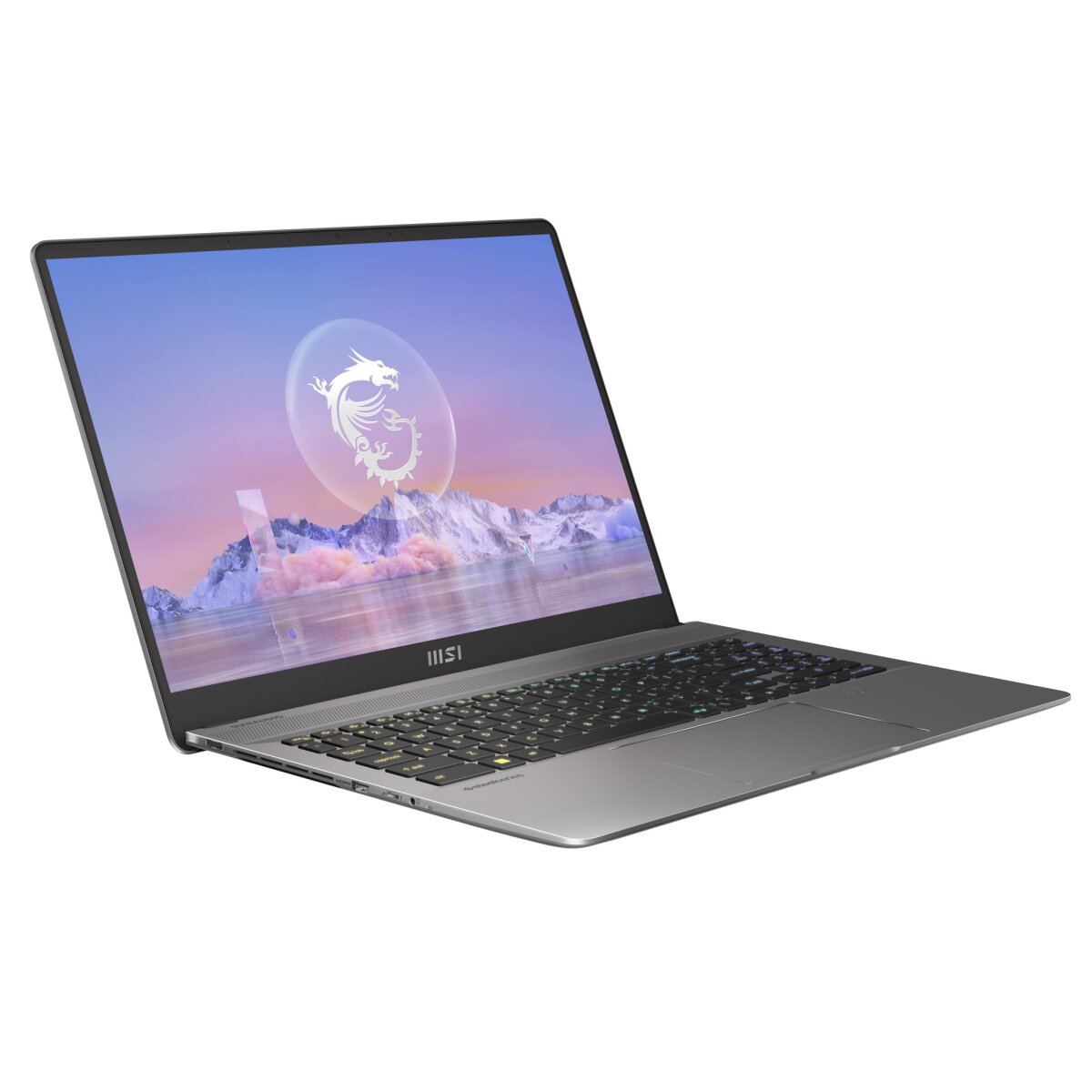
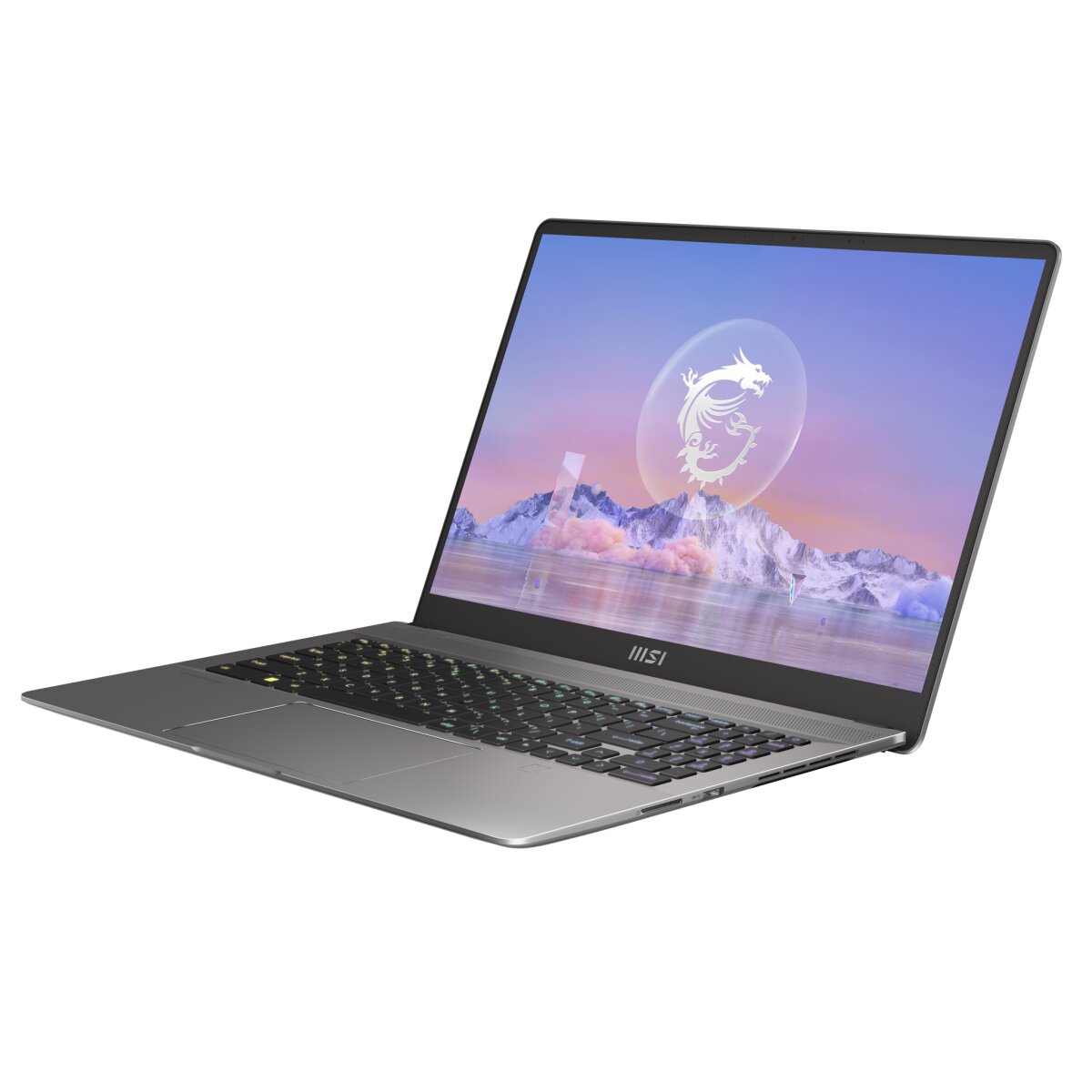
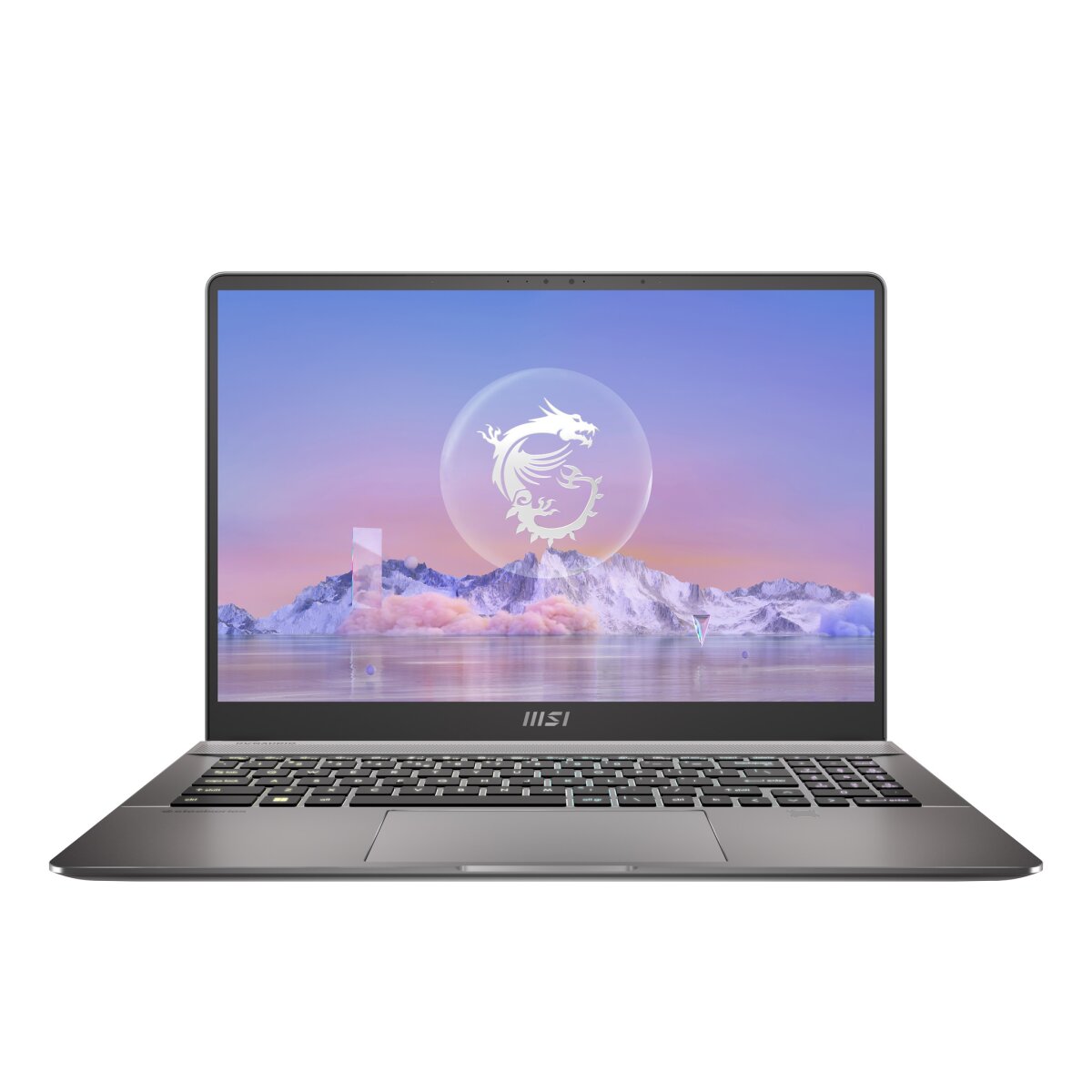
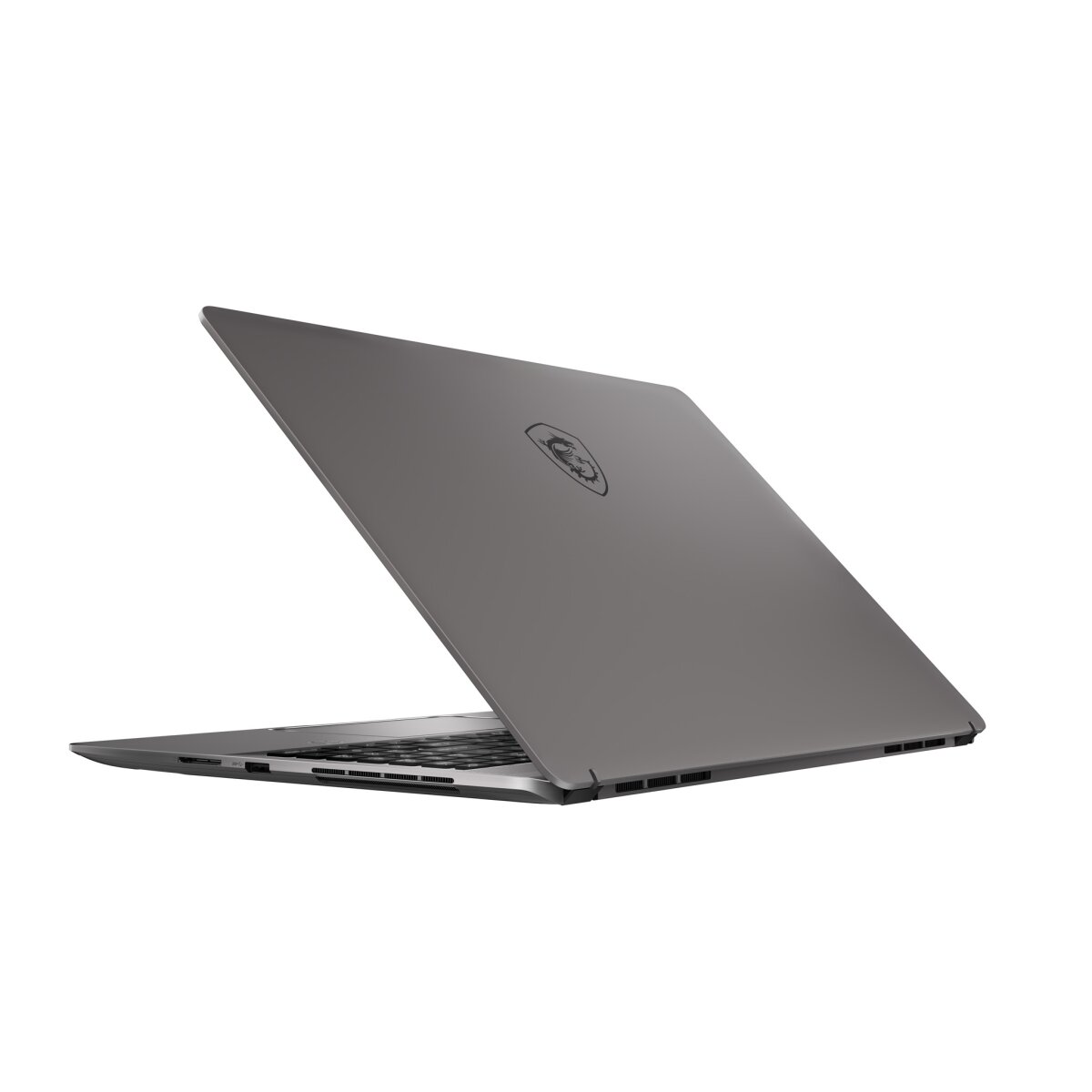
The MSI Creator Z16 HX Studio laptop features DDR5-SDRAM memory upgrade capabilities with two SO-DIMM slots supporting a maximum RAM capacity of 64 GB. Memory modules operate at 5600 MHz frequency. The Z16HXStudio specifications accommodate SO-DIMM form factor RAM modules for compatible upgrades. Users can expand memory capacity by installing DDR5 modules in the available slots, with upgrade options supporting up to 64 GB total memory configuration.
Memory Upgrade Specifications
| Specification | Value |
|---|---|
| Memory slots | 2x SO-DIMM |
| Form factor | SO-DIMM |
| Memory type | DDR5-SDRAM |
| Frequency | 5600 MHz |
| Maximum RAM | 64 GB |
| Voltage | 1.1V |
| Number of pins | 262-pin |
| Interface | PC5 |
| PC Speed Rating | PC5-5600 (PC5-44800) |
| Bandwidth | 44.8 GB/s |
| Laptop Release date | 04 February 2023 |
Additional Notes
- The DDR5-5600 specification indicates this MSI Creator Z16HXStudio operates on JEDEC standard timing profiles, eliminating the need for BIOS adjustments when installing compliant modules.
- The 64 GB ceiling across 2 slots requires 32 GB density modules, which rely on dual-rank architecture that may introduce minor latency penalties compared to single-rank configurations at lower capacities.
- SO-DIMM installation in this chassis requires accessing the bottom panel, where retention clips operate under spring tension that demands careful spreading to avoid motherboard flex during insertion.
- DDR5's on-module voltage regulation differs fundamentally from DDR4, meaning legacy modules are physically and electrically incompatible despite identical SO-DIMM dimensions.
- The 5600 MHz native frequency operates without XMP or overclocking, preserving factory warranty coverage that might otherwise be voided by non-standard memory profiles.
- Mixing module capacities within the 2 slots forces the system into asymmetric dual-channel mode, reducing memory bandwidth compared to matched pairs in symmetric configuration.
- The dual-slot limitation prevents memory interleaving beyond 2-channel operation, capping theoretical bandwidth at approximately 89.6 GB/s regardless of installed capacity.
- DDR5 modules generate higher thermal output than DDR4 equivalents, though SO-DIMM form factor constraints limit aftermarket heatsink compatibility within laptop chassis clearances.
- Non-ECC unbuffered modules represent the only compatible architecture for this consumer platform, as registered or ECC types require server-class memory controllers absent in mobile workstation designs.
- Upgrading from base configurations to maximum capacity requires replacing both modules entirely since the system cannot combine factory-installed memory with aftermarket additions while maintaining dual-channel functionality.