MSI Creator Z16P B12UGST-033AU RAM upgrade specifications




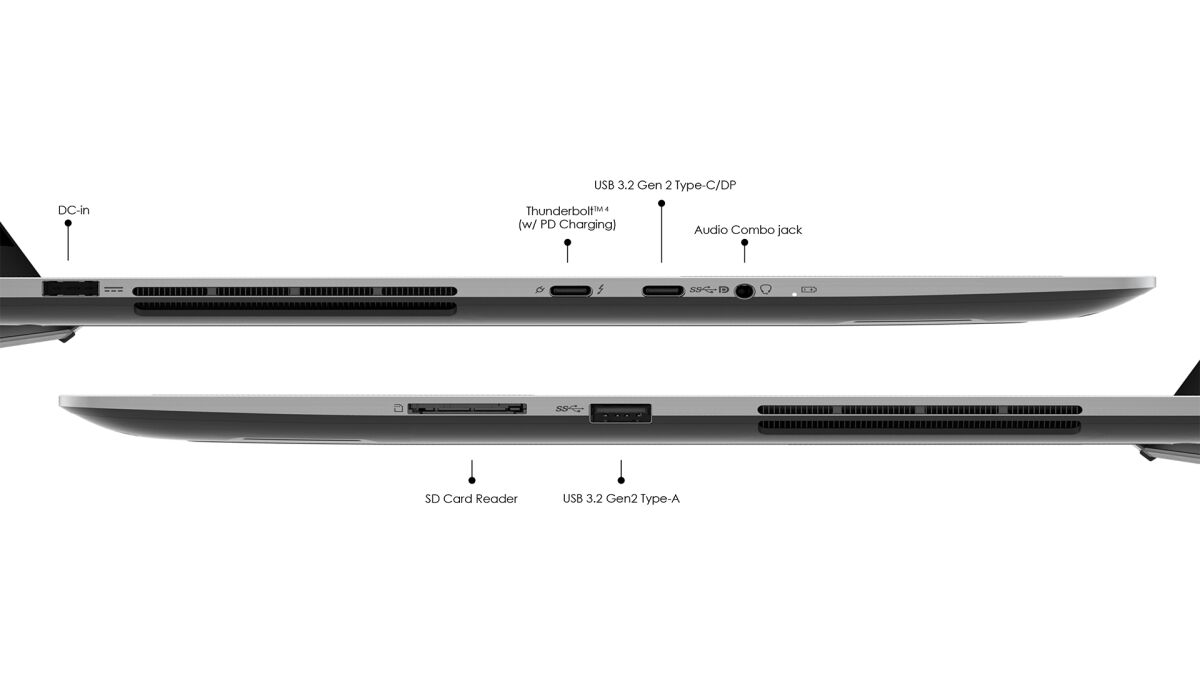
MSI Creator Z16P B12UGST-033AU features DDR5-SDRAM memory upgrade capability with 2x SO-DIMM slots. Maximum supported RAM capacity reaches 64 GB total. Compatible memory modules operate at 4800 MHz frequency. Specifications indicate SO-DIMM form factor for RAM installation. Upgrade slots support DDR5 memory technology for enhanced performance specifications.
Memory Upgrade Specifications
| Specification | Value |
|---|---|
| Memory slots | 2x SO-DIMM |
| Form factor | SO-DIMM |
| Memory type | DDR5-SDRAM |
| Frequency | 4800 MHz |
| Maximum RAM | 64 GB |
| Voltage | 1.1V |
| Number of pins | 262-pin |
| Interface | PC5 |
| PC Speed Rating | PC5-4800 (PC5-38400) |
| Bandwidth | 38.4 GB/s |
| Laptop Release date | 20 July 2022 |
Additional Notes
- The MSI Creator Z16P B12UGST-033AU employs DDR5 SO-DIMM modules, which are physically incompatible with DDR4 slots due to different notch positions and electrical signaling, preventing accidental installation of older generation memory.
- The 64 GB ceiling represents a hard limit imposed by the memory controller architecture, meaning 2x32 GB modules constitute the maximum configuration regardless of future SO-DIMM density improvements.
- DDR5-4800 represents JEDEC baseline speed rather than an overclocked profile, eliminating the need for XMP/DOCP BIOS configuration and ensuring broad compatibility with standard-rated modules.
- Dual-channel operation requires matched module capacities in both slots to unlock full memory bandwidth, while mismatched sizes will force the system into asymmetric or single-channel mode with reduced throughput.
- The SO-DIMM form factor restricts thermal headroom compared to desktop DIMMs, making high-frequency kits above 5200 MHz potentially unstable without enhanced cooling or voltage adjustments beyond manufacturer specifications.
- DDR5's on-die ECC operates independently of BIOS settings and provides background error correction without user intervention, though it differs from full system-level ECC that requires specific chipset support.
- Replacement modules must adhere to JEDEC voltage standards of 1.1V for DDR5 to avoid compatibility issues, as laptop firmware typically lacks voltage override options available in desktop motherboards.
- The 2-slot configuration prohibits future expansion beyond initial installation, requiring users to replace both modules rather than add to existing capacity if upgrading from a partial configuration.
- Memory speed synchronization forces both modules to operate at the lower frequency if mismatched, negating any performance benefit from installing one faster module alongside a slower one.
- Warranty preservation requires using non-conductive tools during installation and avoiding force beyond the gentle pressure needed for SO-DIMM retention clips to engage naturally.