MSI Creator A13VGT-006FR RAM upgrade specifications
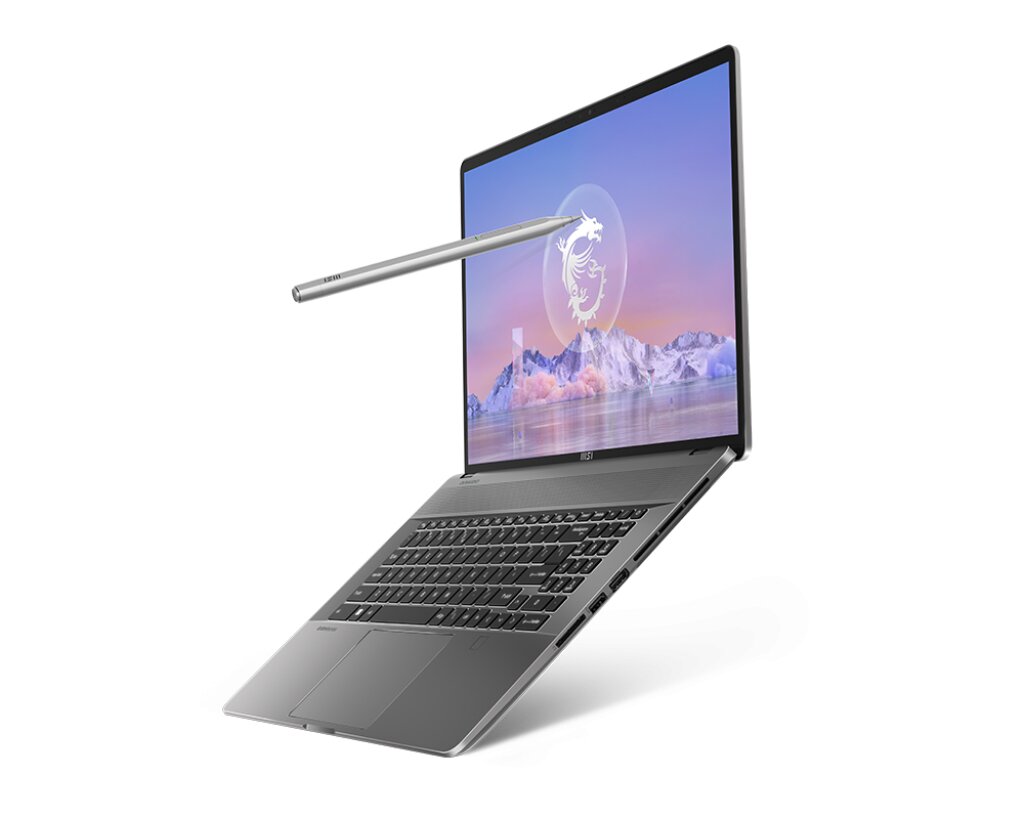
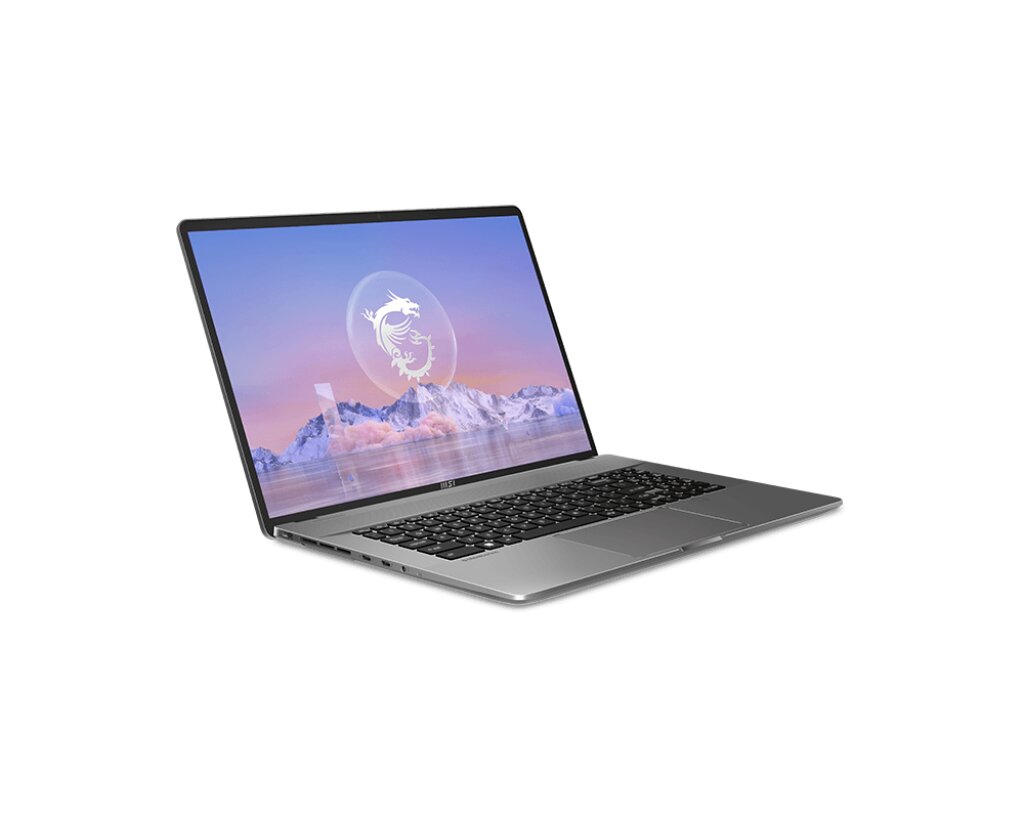
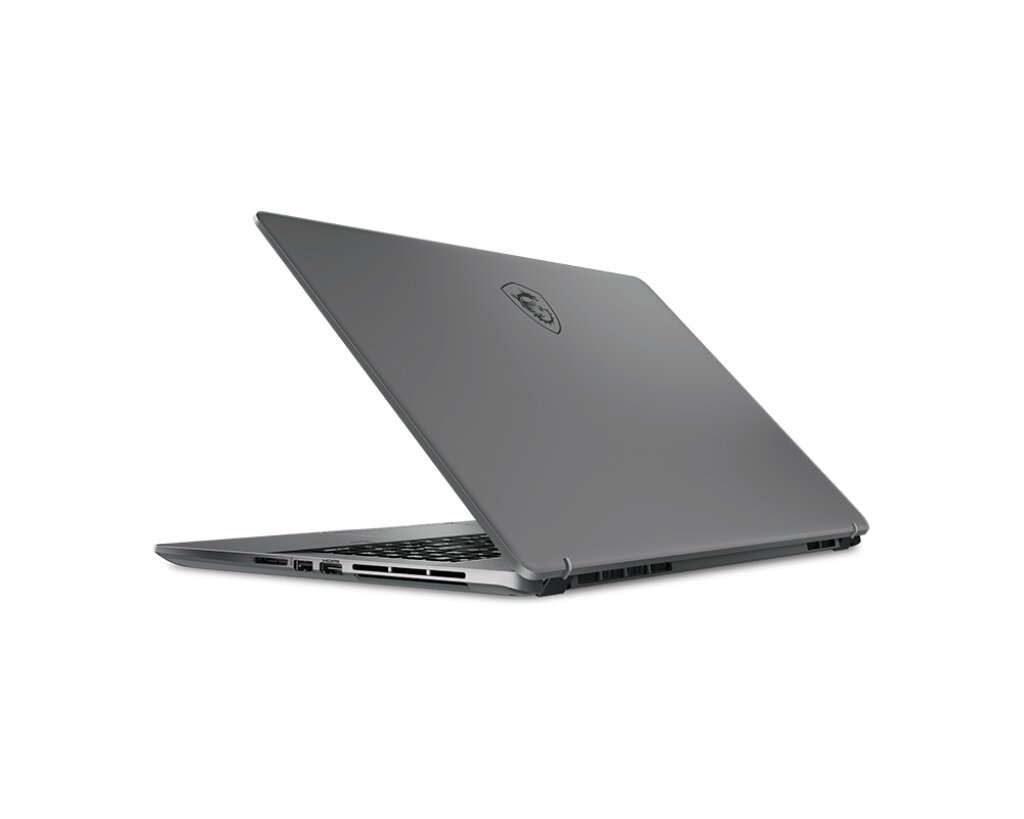
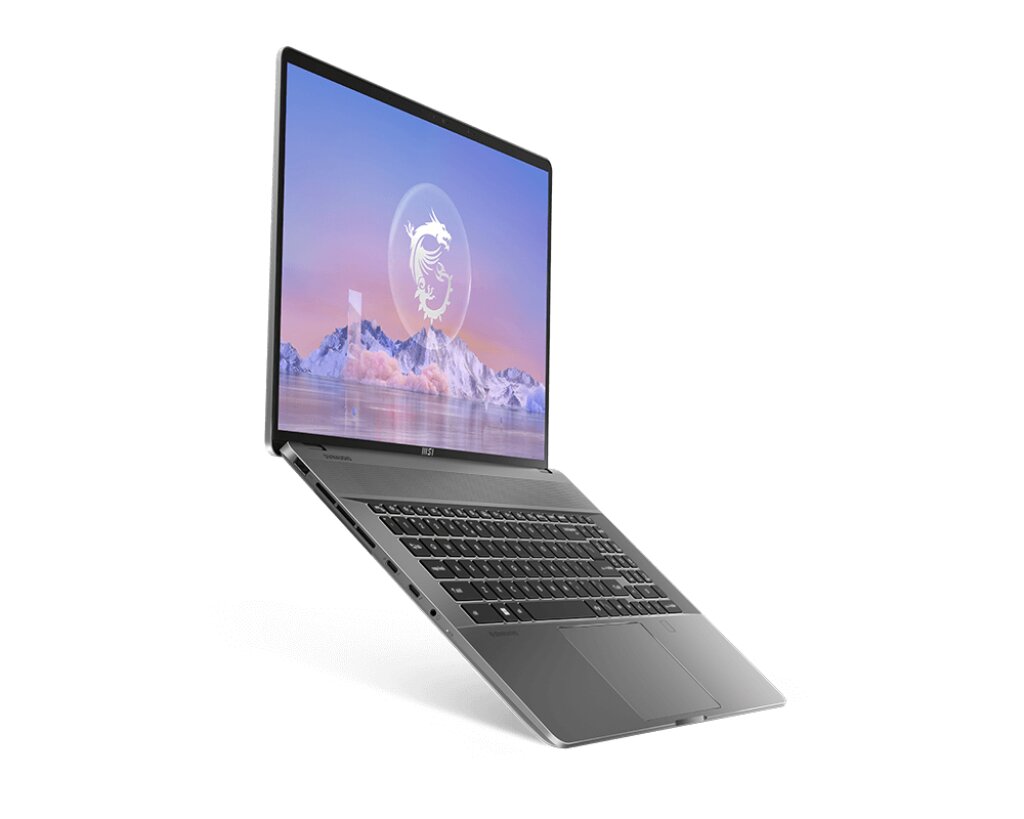
The MSI Creator Z17 HX Studio model A13VGT-006FR features DDR5-SDRAM memory upgrade specifications with two SO-DIMM slots supporting maximum RAM capacity of 64 GB. The laptop is compatible with DDR5 memory operating at 5600 MHz frequency. Upgrade options allow installation of compatible DDR5-SDRAM modules in the available slots to achieve maximum supported capacity. The SO-DIMM form factor and DDR5 specifications define the memory upgrade parameters for this MSI Creator series laptop.
Memory Upgrade Specifications
| Specification | Value |
|---|---|
| Memory slots | 2x SO-DIMM |
| Form factor | SO-DIMM |
| Memory type | DDR5-SDRAM |
| Frequency | 5600 MHz |
| Maximum RAM | 64 GB |
| Voltage | 1.1V |
| Number of pins | 262-pin |
| Interface | PC5 |
| PC Speed Rating | PC5-5600 (PC5-44800) |
| Bandwidth | 44.8 GB/s |
| Laptop Release date | 10 February 2023 |
Additional Notes
- The MSI Creator A13VGT-006FR utilizes DDR5 memory architecture, which operates at substantially higher bandwidth than DDR4 predecessors, enabling faster data transfer rates between the processor and RAM but requiring compatible DDR5-capable chipsets.
- Two SO-DIMM slots impose a 64 GB ceiling, meaning maximum capacity requires dual 32 GB modules rather than offering four-slot flexibility for incremental upgrades.
- DDR5-5600 frequency represents the standard JEDEC specification for this memory generation; third-party modules rated above 5600 MHz operate in overclocking modes and may void manufacturer warranties unless explicitly supported by BIOS.
- SO-DIMM form factor constrains upgrades to laptop-grade modules, which carry physical dimension restrictions incompatible with desktop DDR5 counterparts, preventing cross-platform module reuse if the system is replaced.
- The dual-slot configuration creates a single point of failure risk; memory module malfunction eliminates half the available capacity rather than leaving functional memory accessible through alternate slots.
- Upgrading from factory-installed modules to the 64 GB maximum requires removal of existing RAM; the original modules cannot remain installed while adding capacity, necessitating either retention of removed components for future reinstallation or repurposing them elsewhere.
- Memory bandwidth saturation may occur under sustained workloads involving large dataset processing or video rendering due to limited slot quantity, even at maximum capacity, compared to systems with four or more DIMM slots.