MSI Creator Z17 A12UHT-041PT RAM upgrade specifications
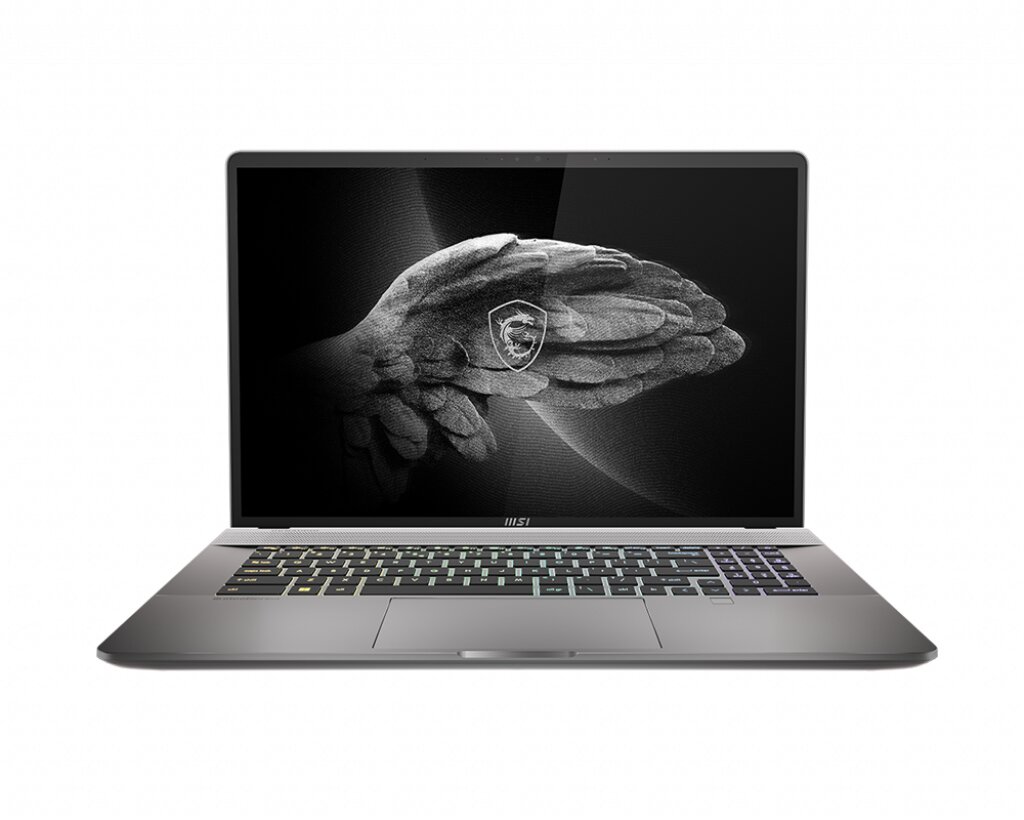
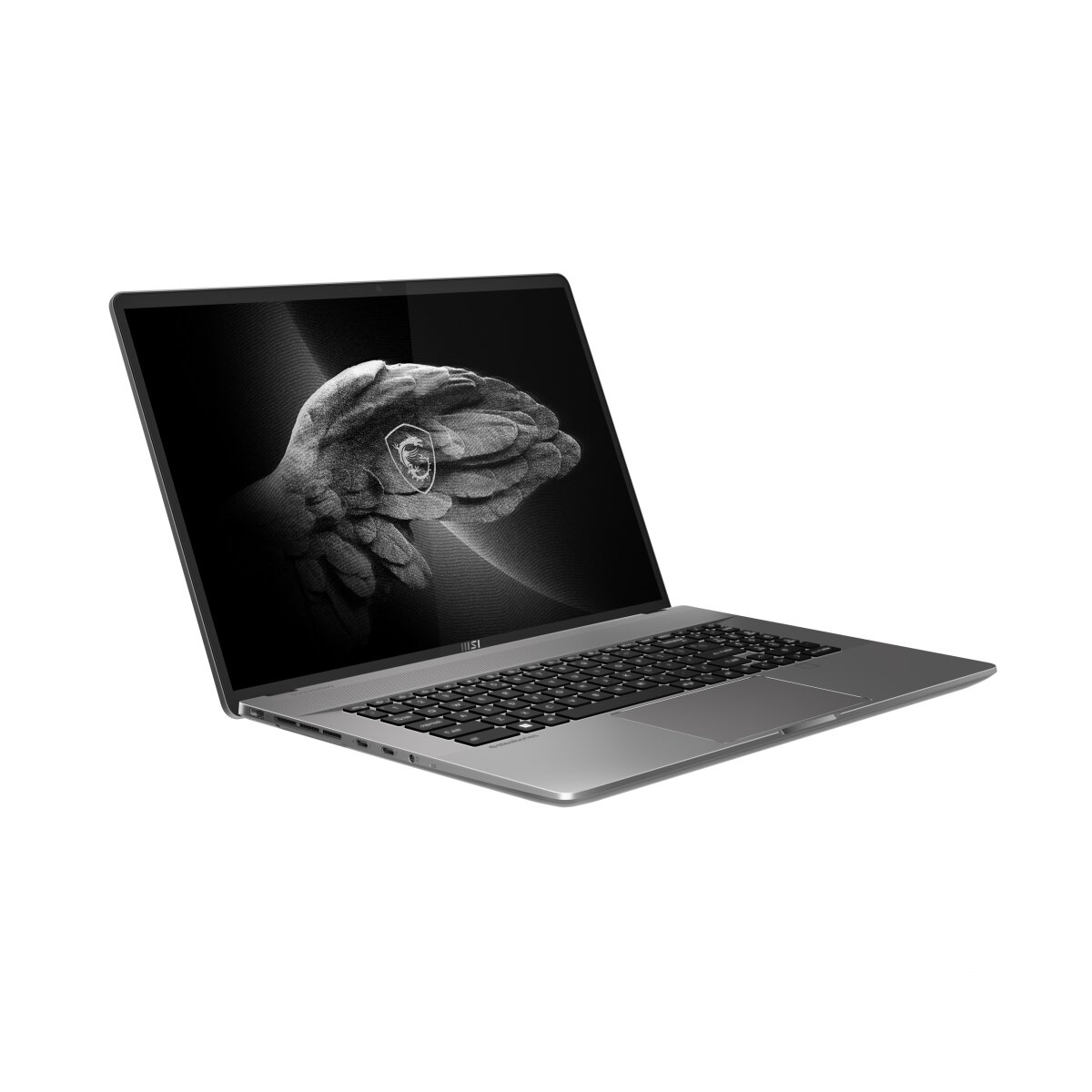
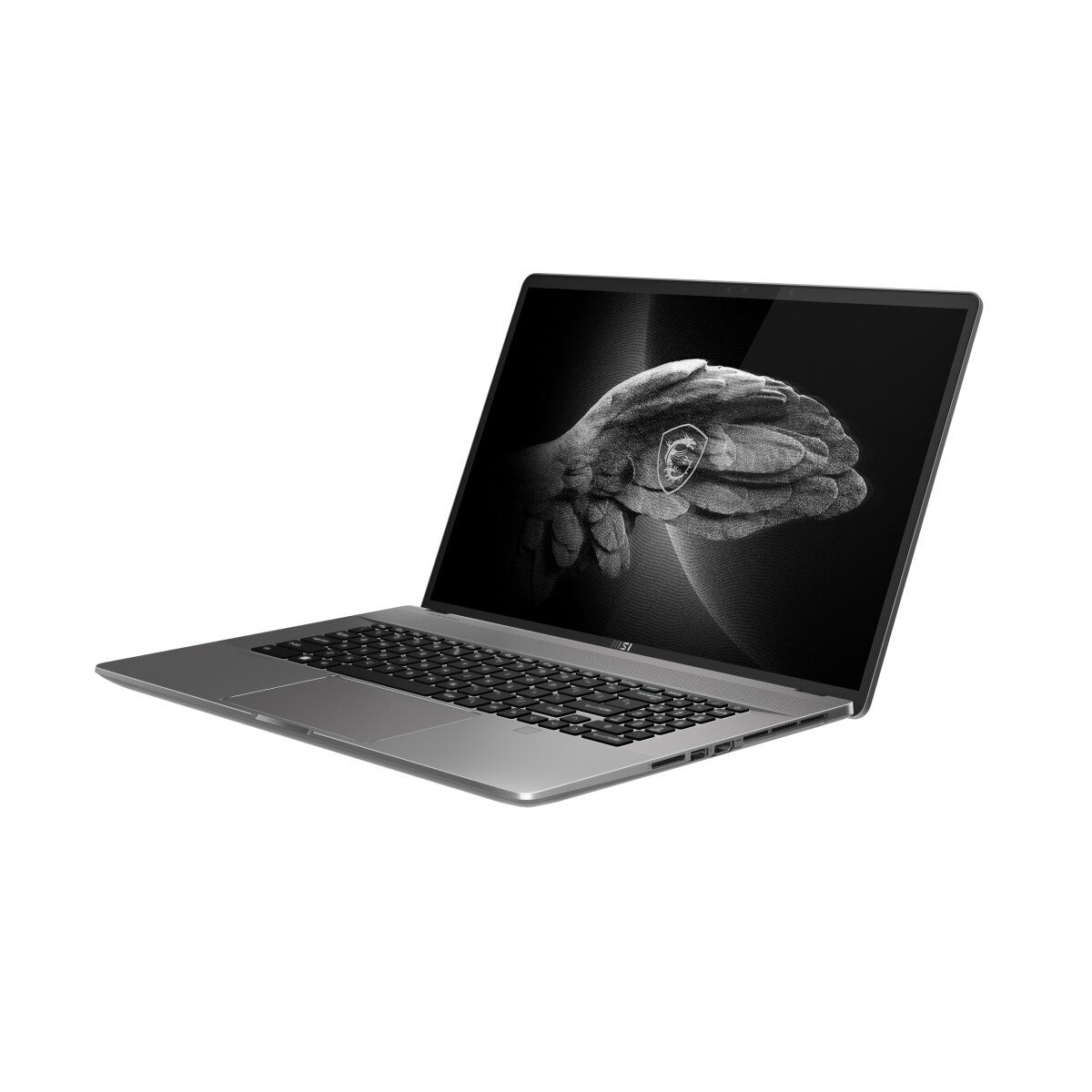


MSI Z17 A12UHT-041PT memory upgrade specifications include DDR5-SDRAM compatible RAM modules. The Creator Z17 series laptop features two SO-DIMM slots supporting maximum RAM capacity of 128 GB. Memory modules operate at 4800 MHz frequency. The Z17 A12UHT-041PT accepts SO-DIMM form factor upgrades, allowing users to expand system memory beyond factory configuration. DDR5 specifications provide enhanced performance for the Creator series portable workstation platform.
Memory Upgrade Specifications
| Specification | Value |
|---|---|
| Memory slots | 2x SO-DIMM |
| Form factor | SO-DIMM |
| Memory type | DDR5-SDRAM |
| Frequency | 4800 MHz |
| Maximum RAM | 128 GB |
| Voltage | 1.1V |
| Number of pins | 262-pin |
| Interface | PC5 |
| PC Speed Rating | PC5-4800 (PC5-38400) |
| Bandwidth | 38.4 GB/s |
| Laptop Release date | 01 May 2022 |
Additional Notes
- The MSI Creator Z17 A12UHT-041PT uses SO-DIMM modules, limiting compatibility to laptop-specific memory and preventing the use of standard desktop DIMM modules due to the smaller 260-pin form factor versus desktop's 288-pin configuration.
- DDR5-SDRAM requires motherboard support for higher operating voltages compared to DDR4, making cross-generation upgrades impossible without replacing the entire system.
- The 4800 MHz specification represents JEDEC standard speed for DDR5, meaning modules rated at higher frequencies like 5200 MHz or 5600 MHz will downclock to 4800 MHz when installed in this system.
- Achieving the 128 GB maximum capacity requires 2 modules of 64 GB each, as the 2-slot configuration provides no intermediate upgrade path between partial and full capacity expansion.
- DDR5 SO-DIMM modules implement on-die ECC internally, but this consumer platform likely does not expose traditional ECC error reporting to the operating system level.
- The dual-channel architecture demands paired modules of identical specifications for optimal bandwidth, as mismatched capacities or speeds will force the memory controller to operate in single-channel mode or at the lowest common denominator speed.
- Installing memory modules exceeding JEDEC standard voltage requirements may void manufacturer warranty coverage, as non-XMP DDR5 SO-DIMMs typically operate at 1.1V rather than the higher voltages used by performance-oriented modules.
- The absence of quad-channel support caps peak theoretical bandwidth at approximately 76.8 GB/s, creating potential bottlenecks for workloads involving large dataset transfers or high-resolution content creation.
- Physical access to memory slots requires bottom panel removal on most Creator series designs, complicating field upgrades compared to systems with dedicated memory bay access doors.
- Temperature management becomes critical at maximum capacity, as 2 densely-populated 64 GB modules generate more heat than lower-capacity configurations, potentially triggering thermal throttling in sustained workloads without adequate ventilation.