MSI Gaming 63 8SG-024IT Raider RGB RAM upgrade specifications
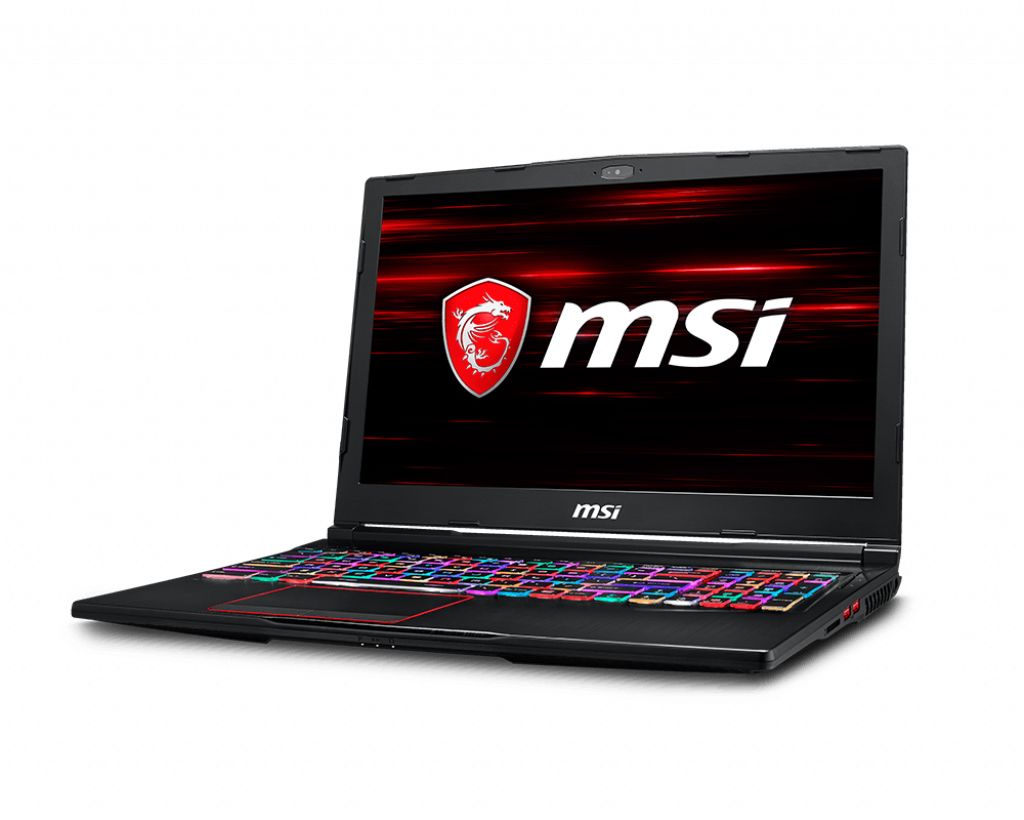
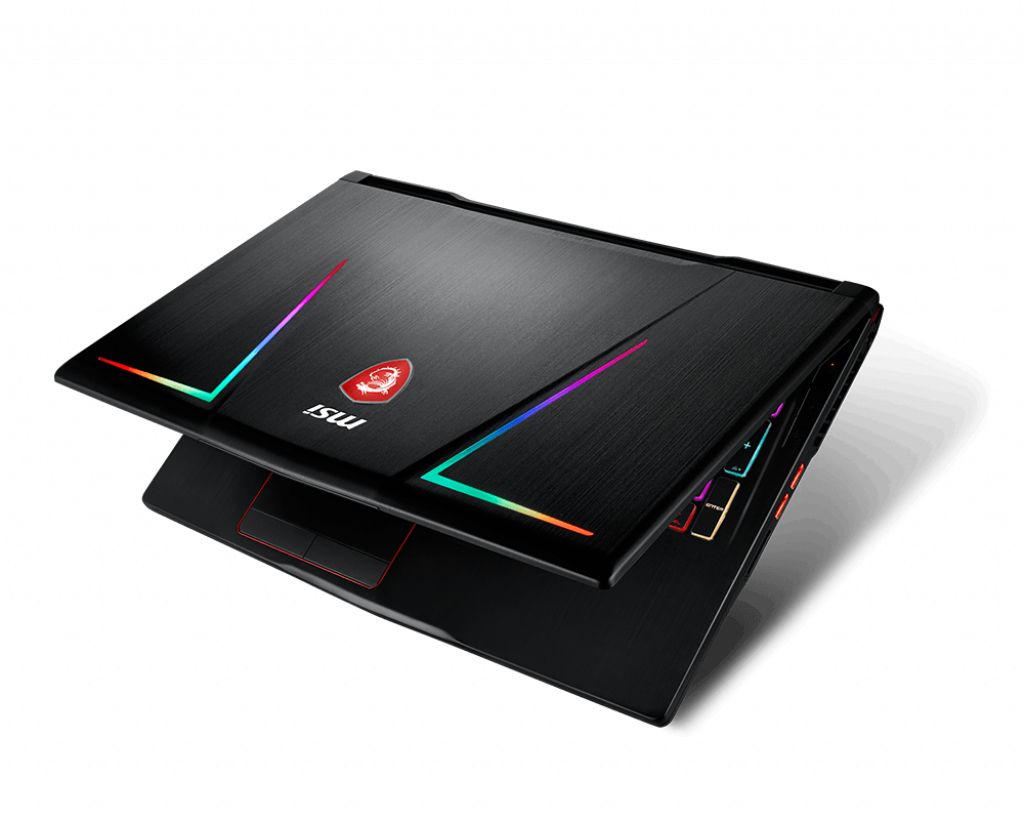
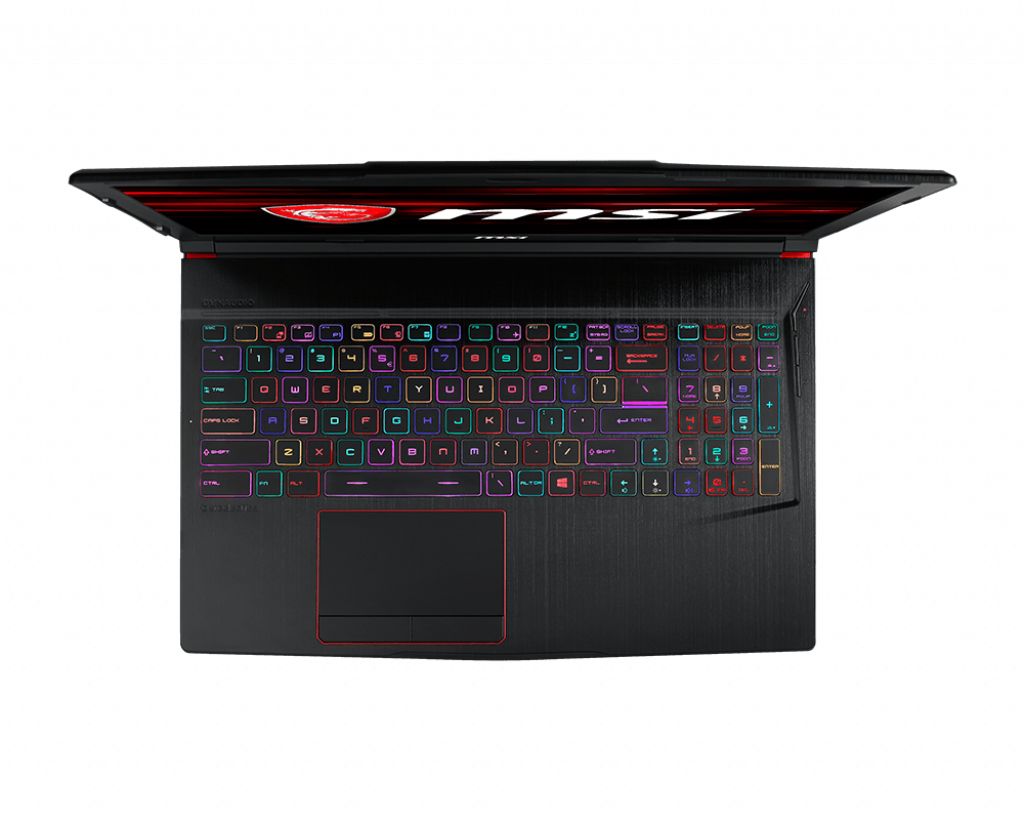
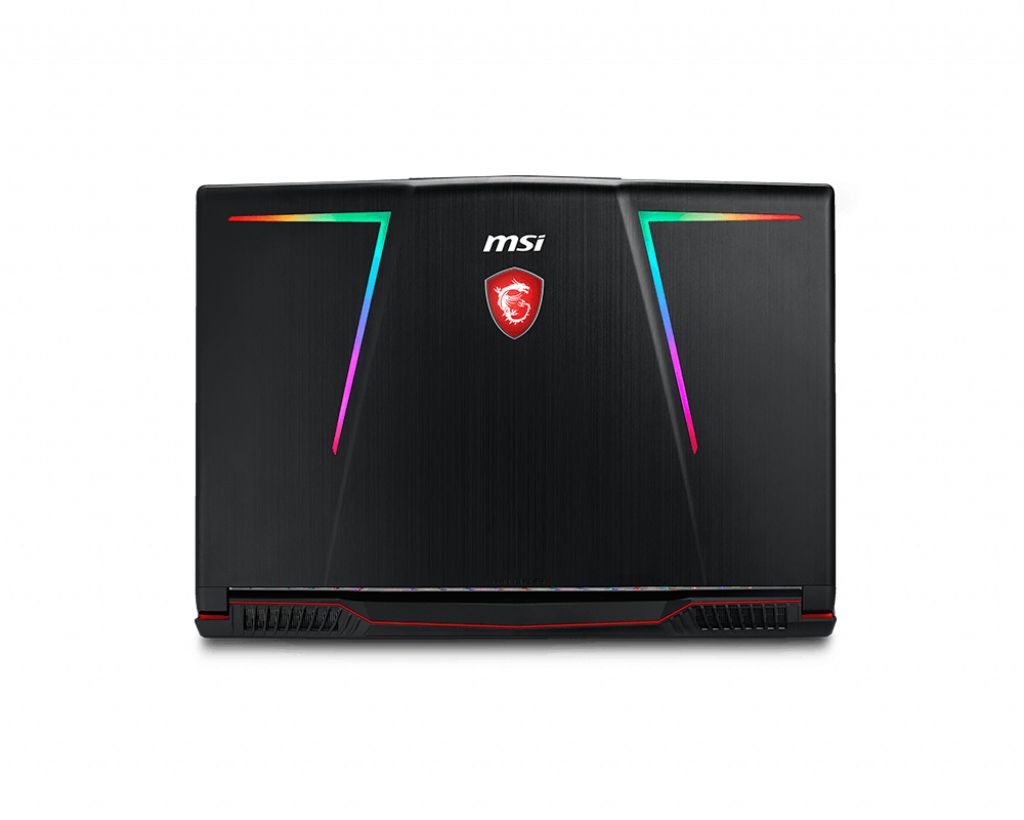
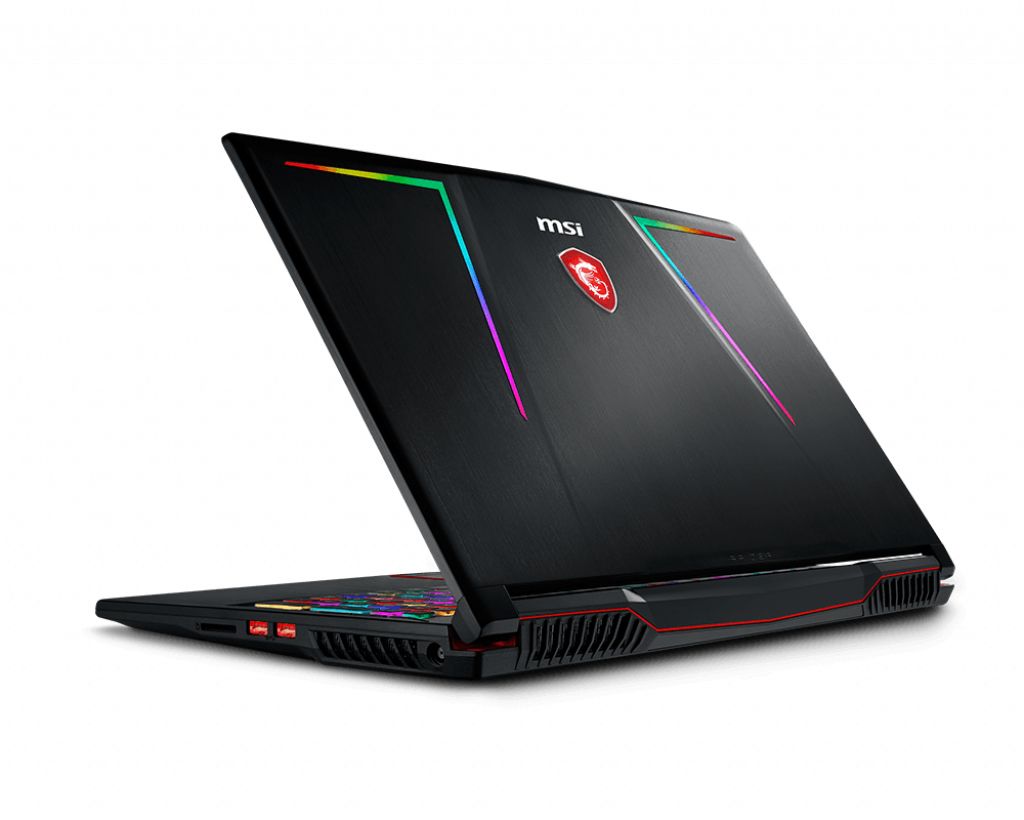
The MSI Gaming GE 63 8SG-024IT Raider RGB laptop features DDR4-SDRAM memory upgrade specifications. The system includes 2x SO-DIMM slots supporting SO-DIMM form factor modules. Maximum RAM capacity reaches 32 GB total. Memory operates at 2666 MHz frequency. Compatible upgrades utilize DDR4 technology for this specific Gaming series model. Existing memory slots accommodate dual modules for enhanced multitasking and performance capabilities.
Memory Upgrade Specifications
| Specification | Value |
|---|---|
| Memory slots | 2x SO-DIMM |
| Form factor | SO-DIMM |
| Memory type | DDR4-SDRAM |
| Frequency | 2666 MHz |
| Maximum RAM | 32 GB |
| Voltage | 1.2V |
| Number of pins | 260-pin |
| Interface | PC4 |
| PC Speed Rating | PC4-2666 (PC4-21328) |
| Bandwidth | 21.3 GB/s |
| Laptop Release date | 19 April 2019 |
Additional Notes
- The MSI 63 8SG-024IT Raider RGB chipset architecture limits memory capacity to 32 GB total across both occupied slots, requiring 16 GB modules for maximum configuration.
- DDR4-2666 represents JEDEC standard speed rather than performance-optimized XMP profiles, which may restrict bandwidth gains in memory-intensive workloads compared to higher-frequency alternatives.
- Both SO-DIMM sockets are populated from factory, necessitating complete module replacement rather than simple capacity addition to achieve any upgrade.
- The 2666 MHz frequency ceiling enforces dual-channel operation at standard voltage (1.2V), preventing overclocked modules from running at advertised speeds beyond this specification.
- SO-DIMM physical dimensions (approximately 67.6mm length) differ from desktop DIMM standards, making standard desktop memory modules mechanically incompatible regardless of electrical specifications.
- Mixing different memory capacities across the two slots maintains compatibility but forces the controller to operate in flex mode, potentially reducing bandwidth efficiency compared to matched pairs.
- The system accepts higher-rated DDR4 modules (3200 MHz or beyond) but automatically downclocks them to 2666 MHz, providing no performance advantage over native-speed modules.
- Warranty preservation requires avoiding chassis disassembly in regions where user-replaceable component access is restricted, though memory typically falls under permitted upgrade categories.
- The 32 GB ceiling reflects memory controller addressing limitations rather than slot physical constraints, making unofficial capacity expansion beyond this threshold technically unsupported.
- Single-rank versus dual-rank module topology affects memory interleaving behavior, though both configurations remain compatible within the specified frequency and capacity parameters.