MSI Gaming GE62 6QD-1613XFR Apache Pro RAM upgrade specifications
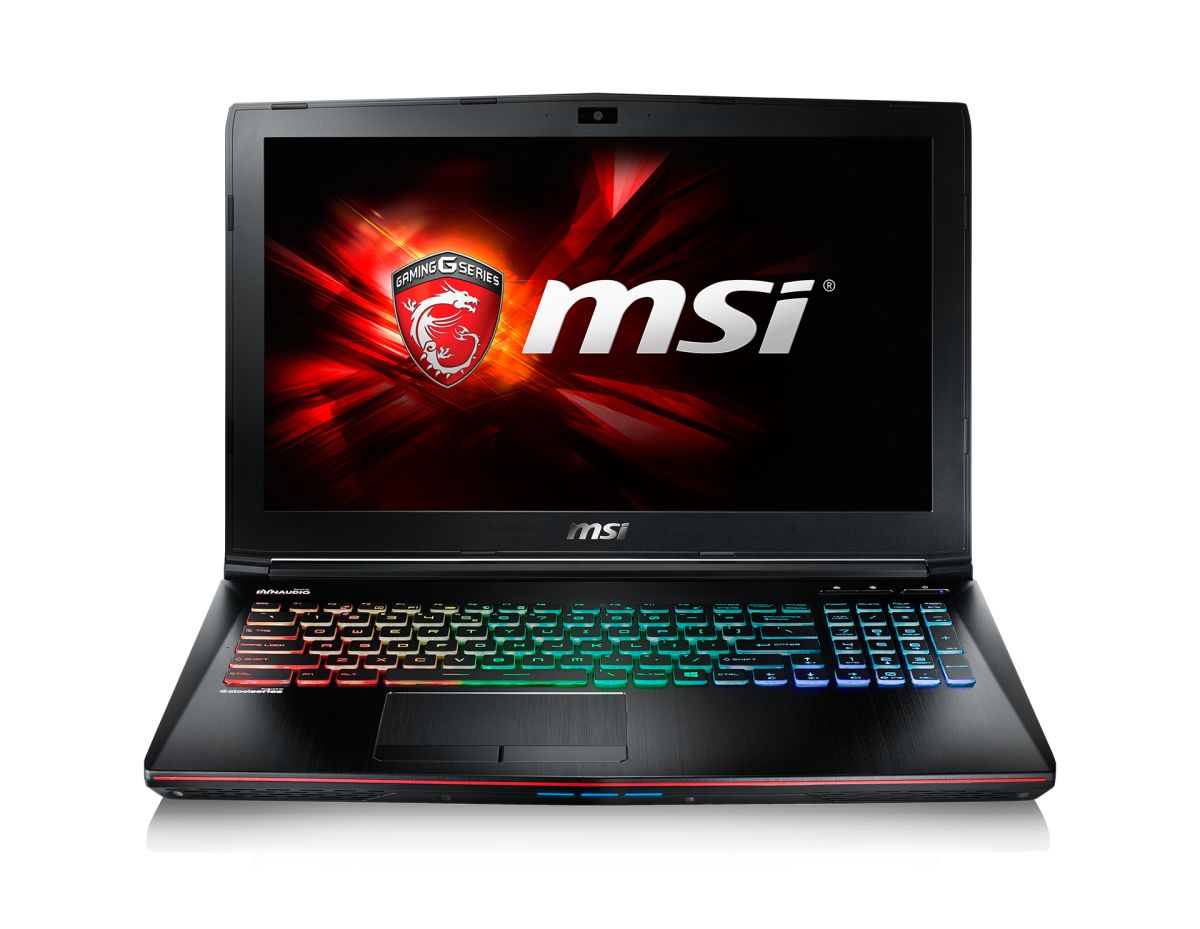
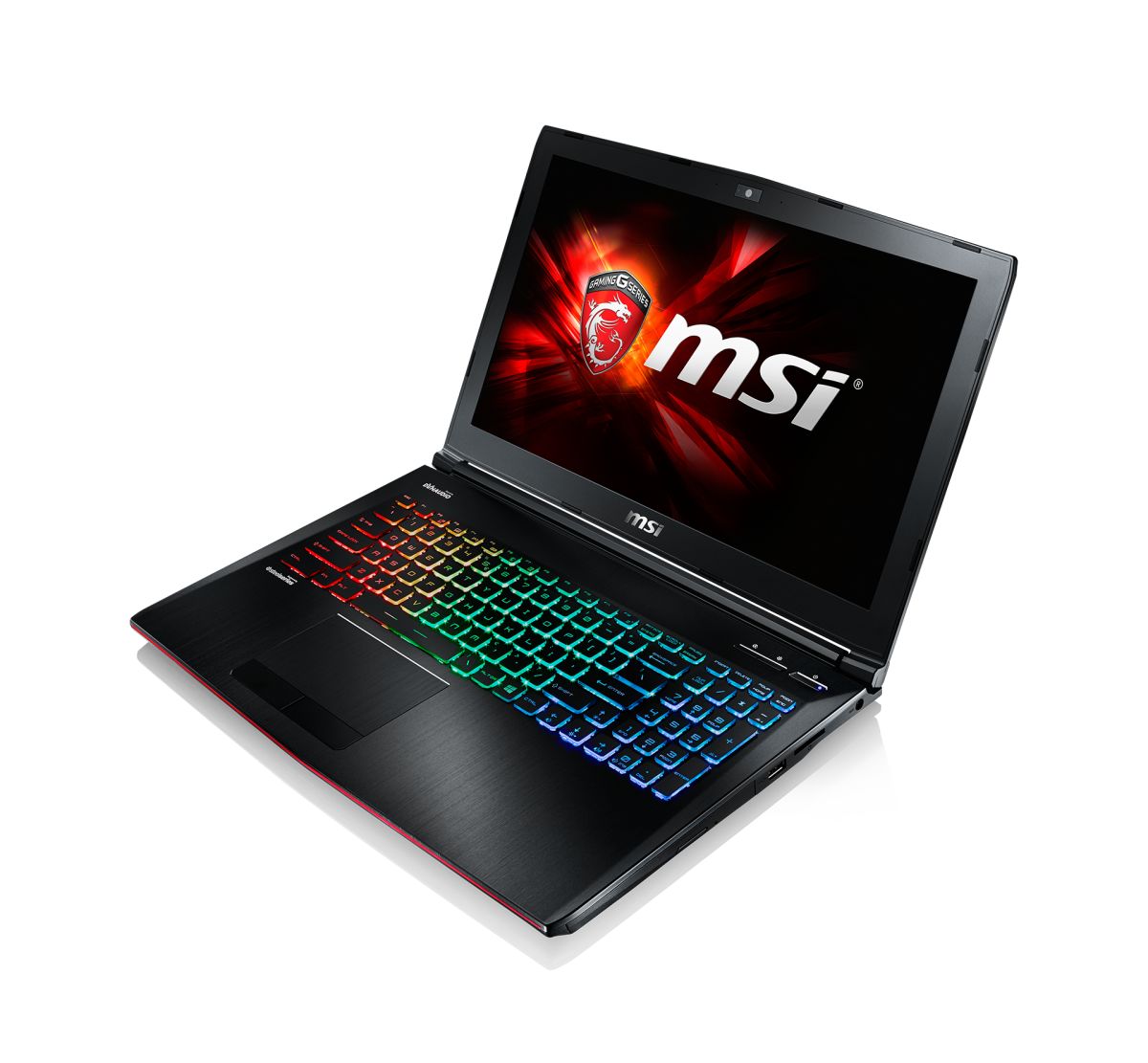
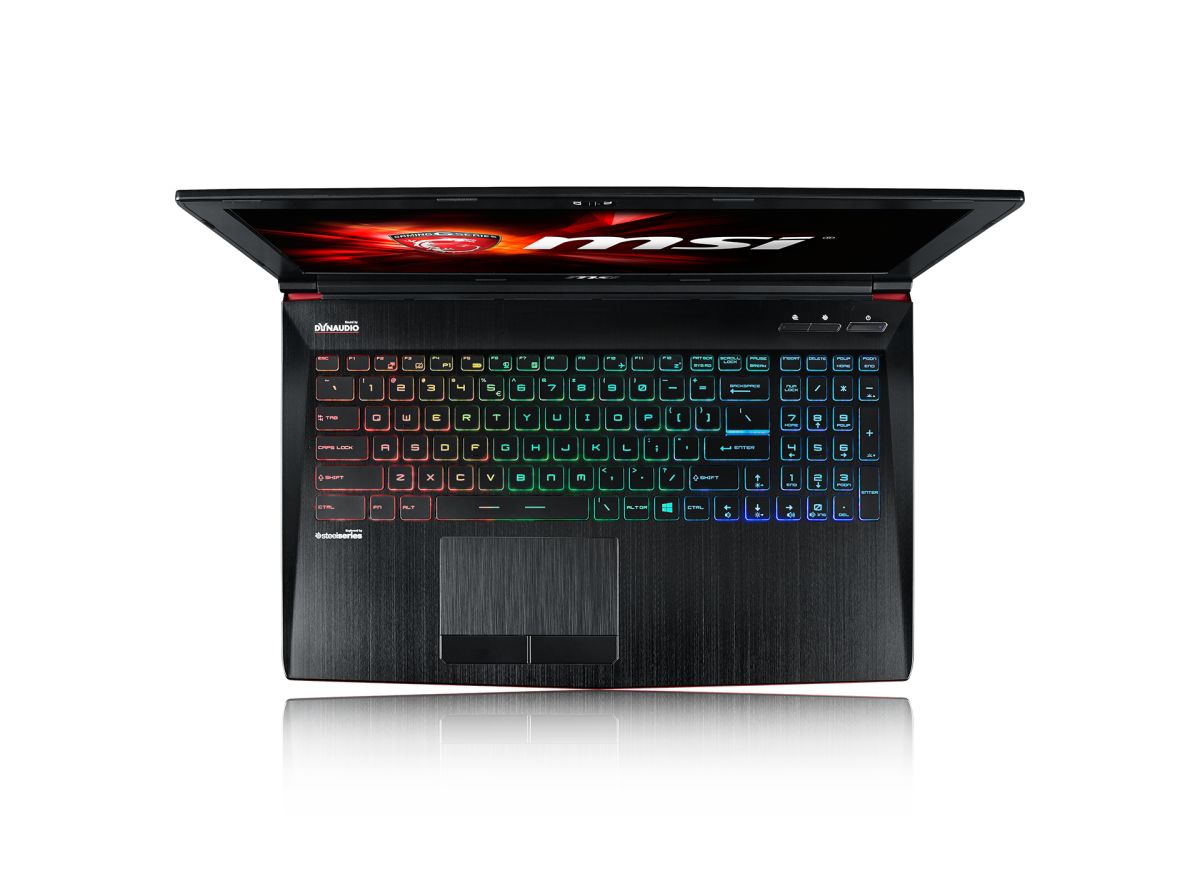
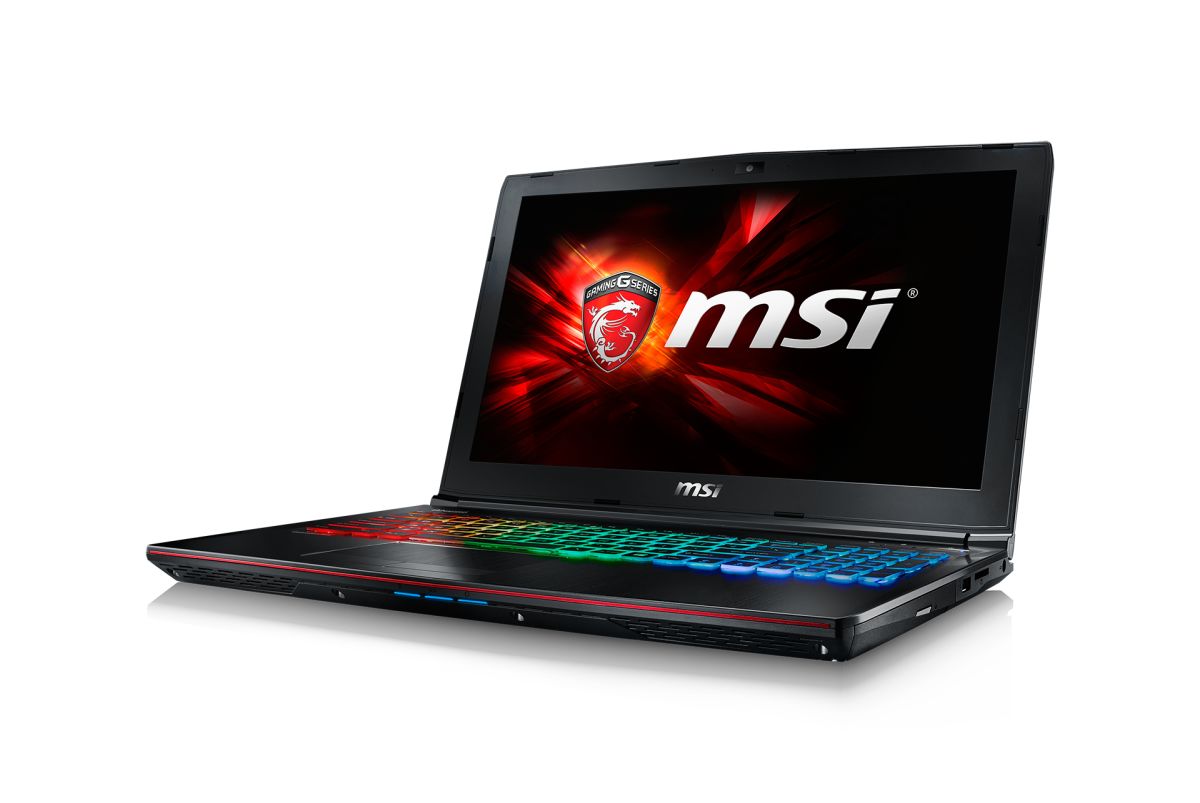

The MSI GE62 6QD-1613XFR Apache Pro gaming laptop supports DDR4-SDRAM memory upgrades. The system features two SO-DIMM memory slots with a maximum RAM capacity of 32 GB. Compatible memory modules operate at 2133 MHz frequency. Memory upgrade specifications indicate the Gaming series GE model accepts SO-DIMM form factor modules. The MSI Apache Pro configuration allows for memory expansion through the available slot configuration to reach maximum supported capacity specifications.
Memory Upgrade Specifications
| Specification | Value |
|---|---|
| Memory slots | 2x SO-DIMM |
| Form factor | SO-DIMM |
| Memory type | DDR4-SDRAM |
| Frequency | 2133 MHz |
| Maximum RAM | 32 GB |
| Voltage | 1.2V |
| Number of pins | 260-pin |
| Interface | PC4 |
| PC Speed Rating | PC4-2133 (PC4-17064) |
| Bandwidth | 17.1 GB/s |
| Laptop Release date | 18 August 2017 |
Additional Notes
- The 2133 MHz frequency limitation stems from the sixth-generation Intel chipset integrated into this platform, which prevents the system from utilizing faster DDR4 modules rated at 2400 MHz or higher even when physically installed.
- The MSI GE62 6QD-1613XFR Apache Pro utilizes both memory channels when populated with matching modules, delivering theoretical bandwidth of approximately 34 GB/s compared to roughly 17 GB/s in single-channel configurations.
- Installing a single 32 GB module leaves one slot vacant and forces single-channel operation, creating a performance disparity versus dual 16 GB modules operating in dual-channel mode despite identical total capacity.
- SO-DIMM form factor compatibility excludes standard desktop DIMM modules due to the 260-pin versus 288-pin connector difference and physical length variations of approximately 30 mm.
- Voltage specifications default to 1.2V for DDR4 standard operation, while DDR3L or DDR3 modules operating at 1.35V or 1.5V respectively present electrical incompatibility risks to the memory controller.
- The 32 GB ceiling reflects addressing limitations within the sixth-generation mobile platform architecture, which lacks support for higher-density memory configurations available in subsequent chipset generations.
- Memory rank configuration affects stability when approaching maximum capacity, as dual-rank modules per slot may encounter compatibility constraints compared to single-rank alternatives at equivalent frequencies.
- Non-matching module speeds force the memory controller to downclock all installed modules to the lowest common frequency, negating any performance advantage from higher-rated modules.
- Access to memory slots typically requires bottom panel removal and possibly keyboard assembly disengagement depending on internal chassis layout, complicating field upgrades compared to systems with dedicated access panels.