MSI Gaming GE62VR 7RF-810 Apache Pro RAM upgrade specifications
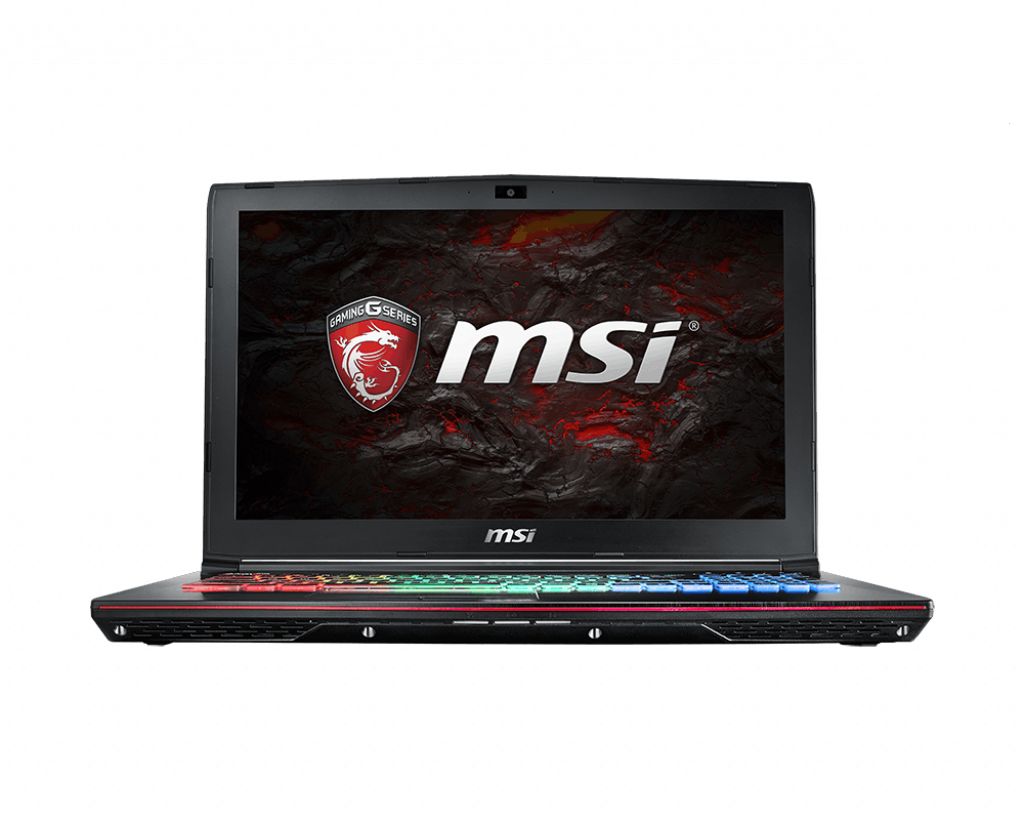
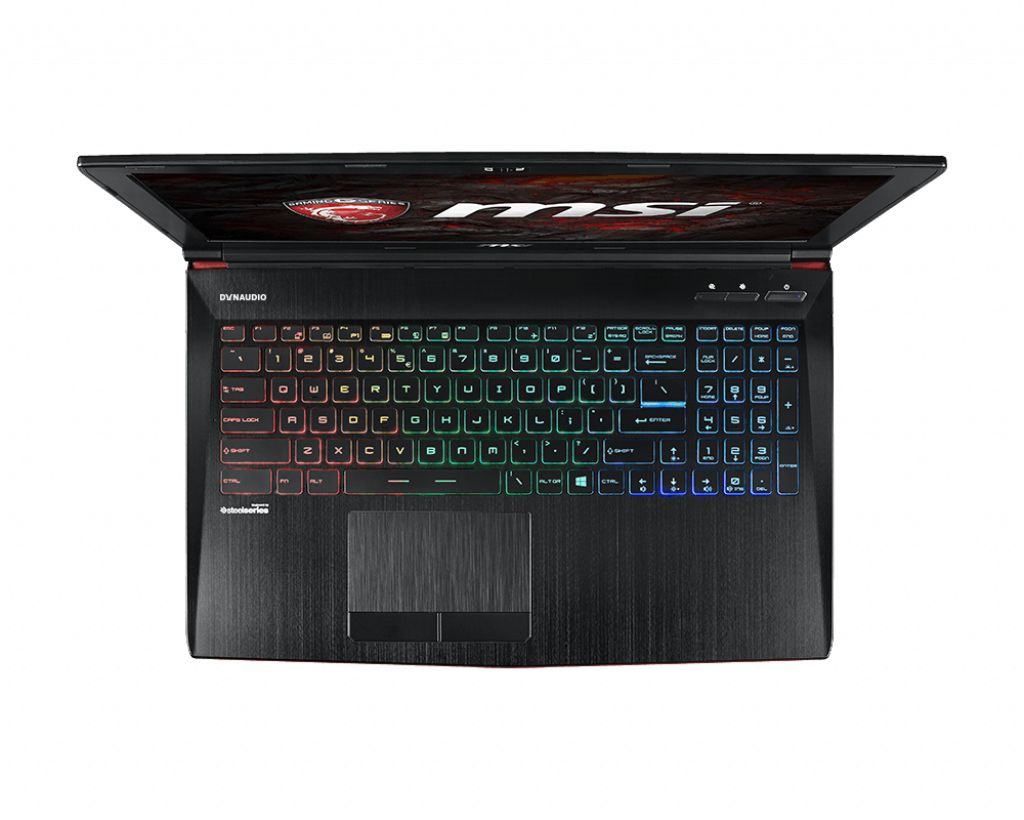
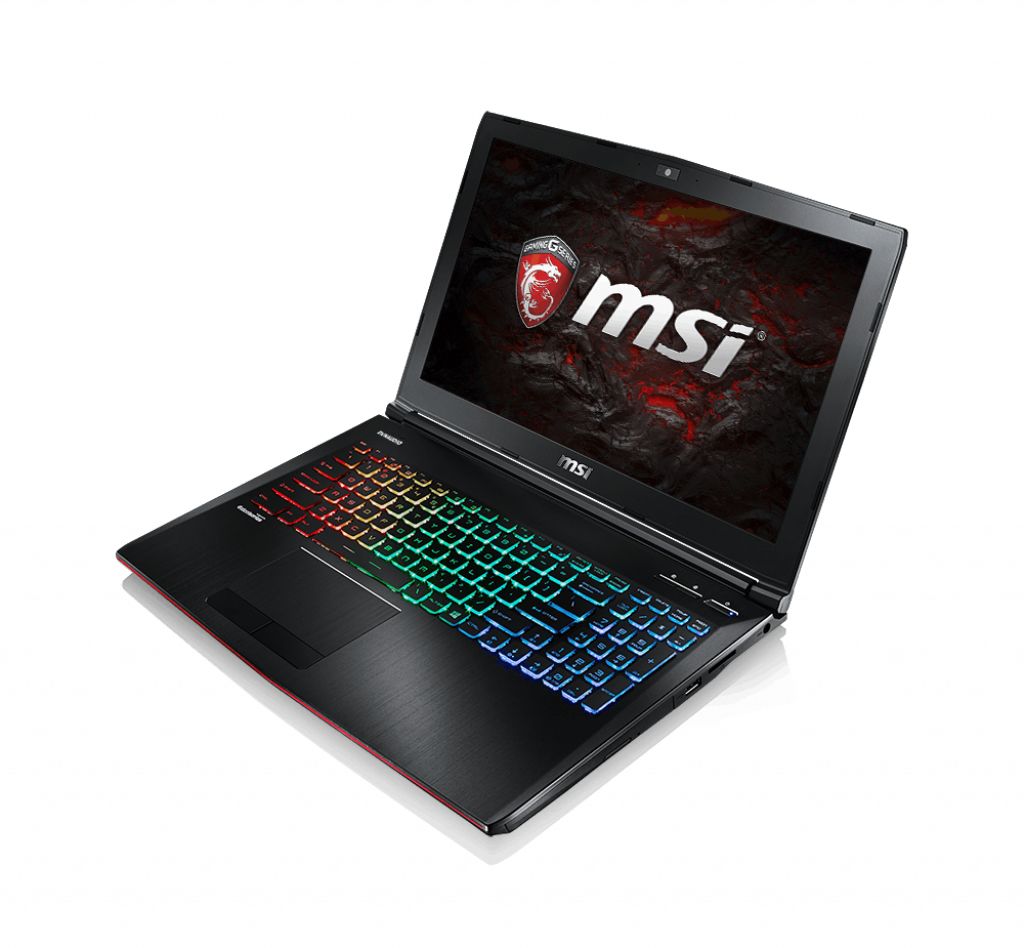
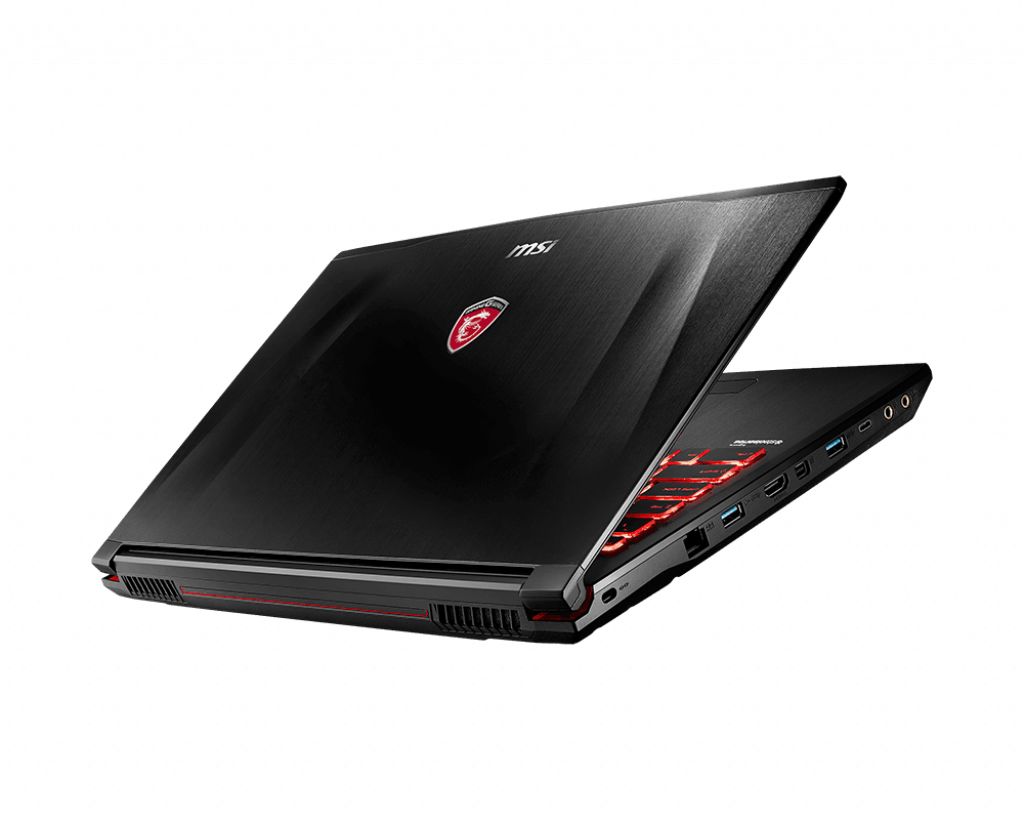
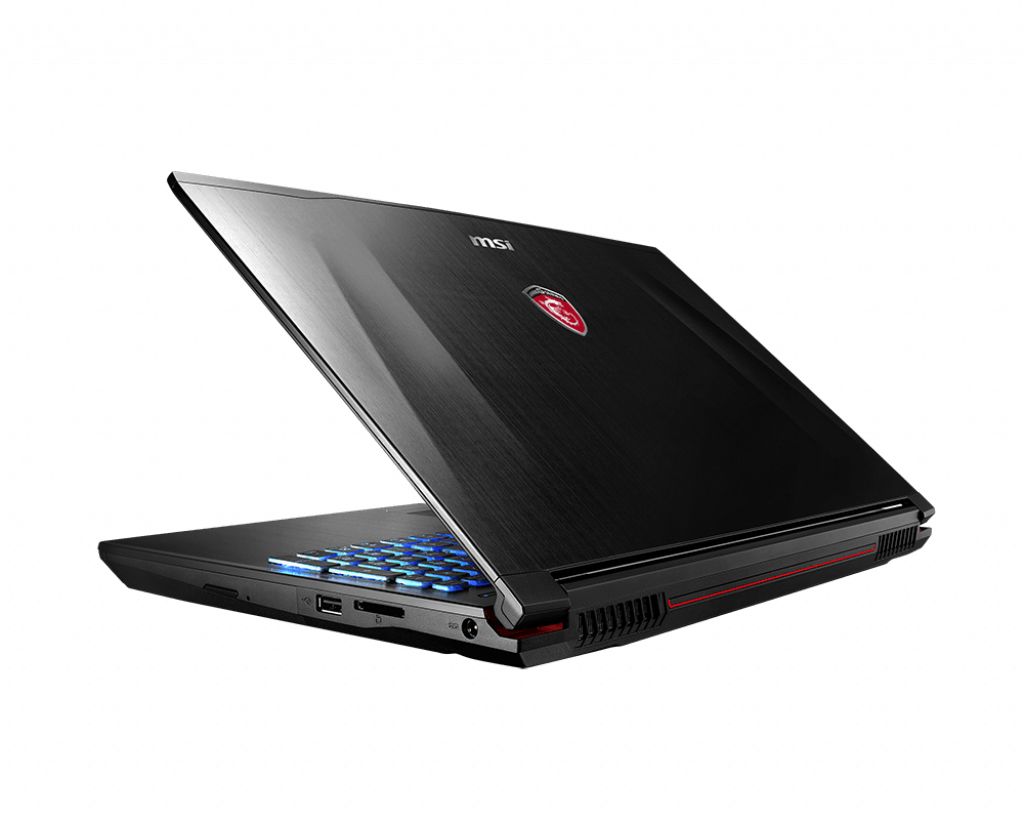
MSI GE62VR 7RF-810 Apache Pro gaming laptop supports DDR4-SDRAM memory upgrades through dual SO-DIMM slots. The laptop accommodates a maximum RAM capacity of 32 GB total. Compatible memory operates at 2400 MHz frequency specifications. Existing memory configurations can be upgraded by replacing or supplementing the installed modules within the two available slots. The SO-DIMM form factor ensures proper physical compatibility with the GE62VR 7RF-810 Apache Pro model specifications.
Memory Upgrade Specifications
| Specification | Value |
|---|---|
| Memory slots | 2x SO-DIMM |
| Form factor | SO-DIMM |
| Memory type | DDR4-SDRAM |
| Frequency | 2400 MHz |
| Maximum RAM | 32 GB |
| Voltage | 1.2V |
| Number of pins | 260-pin |
| Interface | PC4 |
| PC Speed Rating | PC4-2400 (PC4-19200) |
| Bandwidth | 19.2 GB/s |
| Laptop Release date | 11 February 2019 |
Additional Notes
- The MSI GE62VR 7RF-810 Apache Pro operates with DDR4 technology, which means DDR3 or DDR3L modules are physically and electrically incompatible regardless of form factor matching.
- The 2400 MHz specification represents the maximum supported frequency, meaning modules rated at 2666 MHz or 3200 MHz will downclock to 2400 MHz, potentially wasting cost premiums paid for higher-speed memory.
- With only 2 slots available, users face an immediate capacity versus upgradeability tradeoff since filling both slots maximizes total memory but eliminates future expansion without discarding existing modules.
- The 32 GB ceiling requires 2x16 GB module configuration, as no single SO-DIMM exceeds 16 GB capacity in DDR4 technology compatible with this platform.
- SO-DIMM modules measure 67.6 mm in length compared to standard DIMM's 133.35 mm, making desktop memory physically incompatible even when specifications otherwise match.
- Mixing different capacity modules such as 8 GB and 16 GB will function but prevents dual-channel memory interleaving for the non-matched portion, reducing bandwidth efficiency for the excess capacity on the larger module.
- Non-ECC unbuffered modules are required for consumer gaming platforms, as registered or ECC memory types will either fail POST or operate with error correction disabled.
- The chipset supporting this processor generation lacks native support for frequencies exceeding 2400 MHz without overclocking profiles, which are typically unavailable in laptop BIOS implementations.
- Voltage must remain at the DDR4 standard of 1.2V, as low-voltage variants designed for ultra-low-power systems may cause stability issues despite physical compatibility.
- Accessing the memory slots typically requires bottom panel removal, which may involve breaking security seals that could affect manufacturer warranty status depending on regional service policies.