MSI Gaming GE63 8SE-090UK Raider RGB RAM upgrade specifications
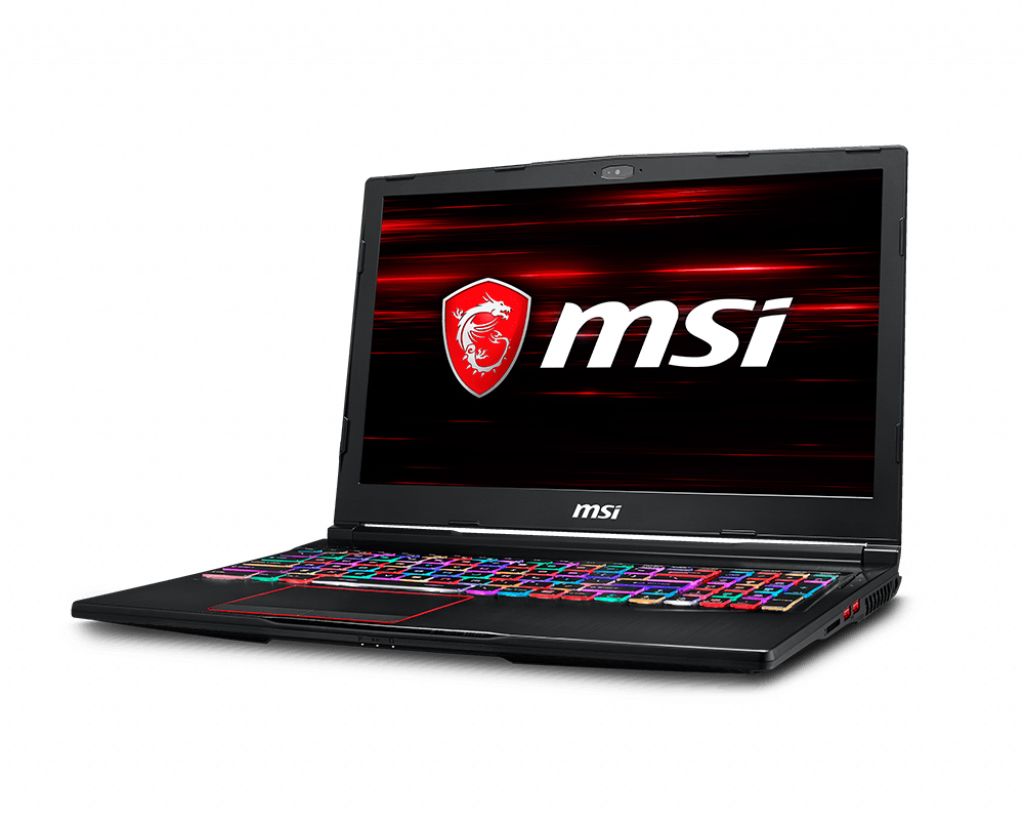
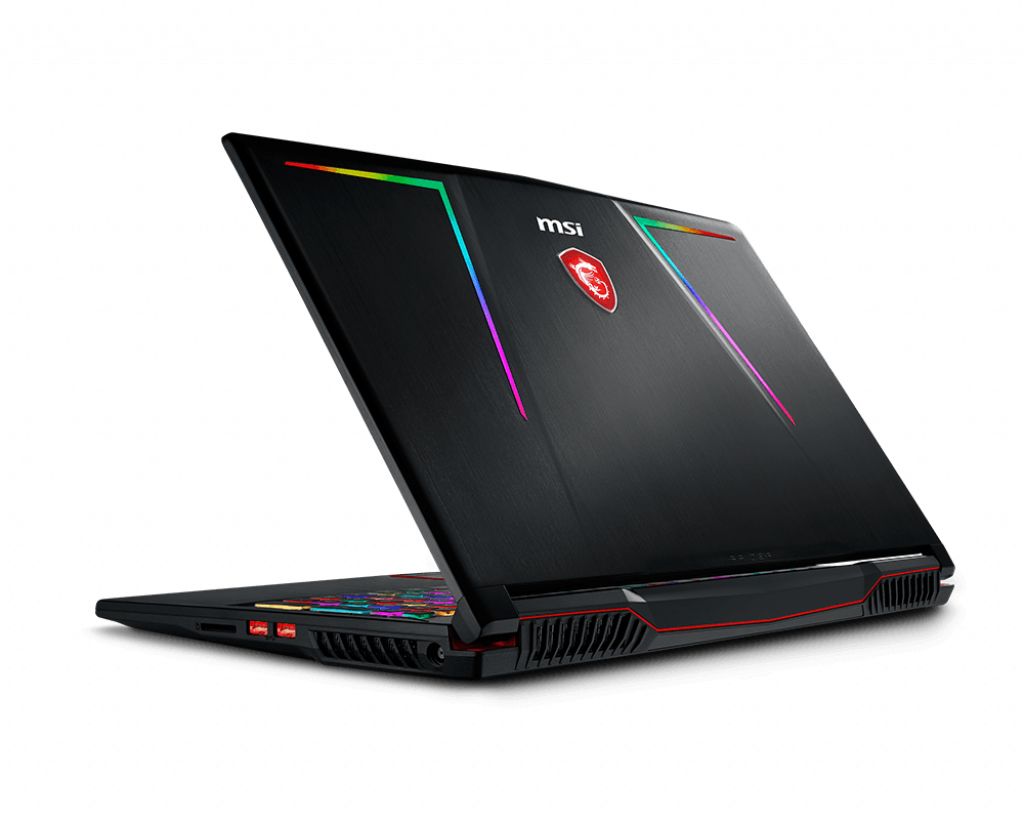
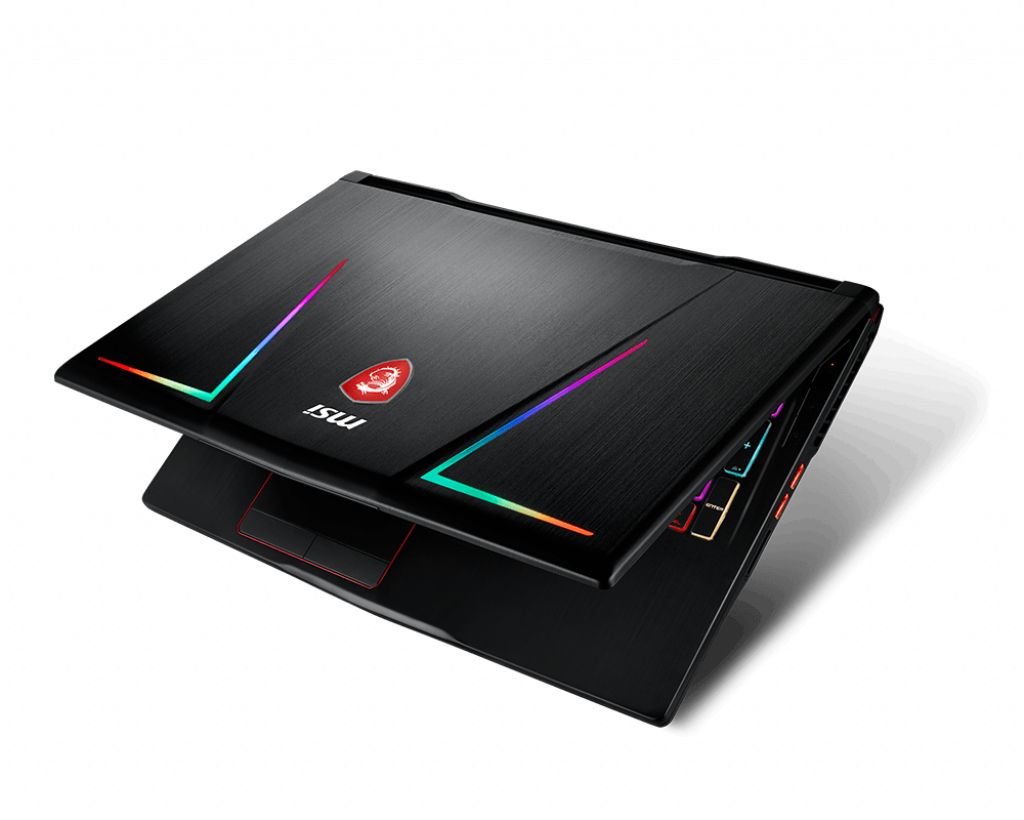
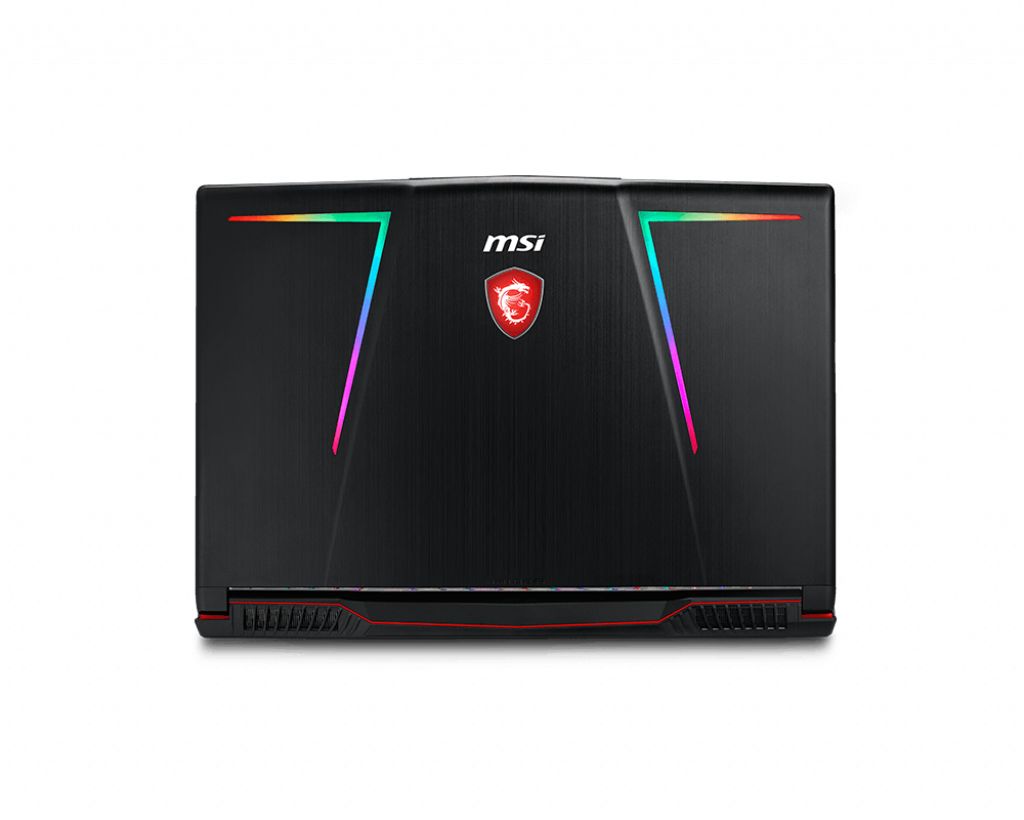
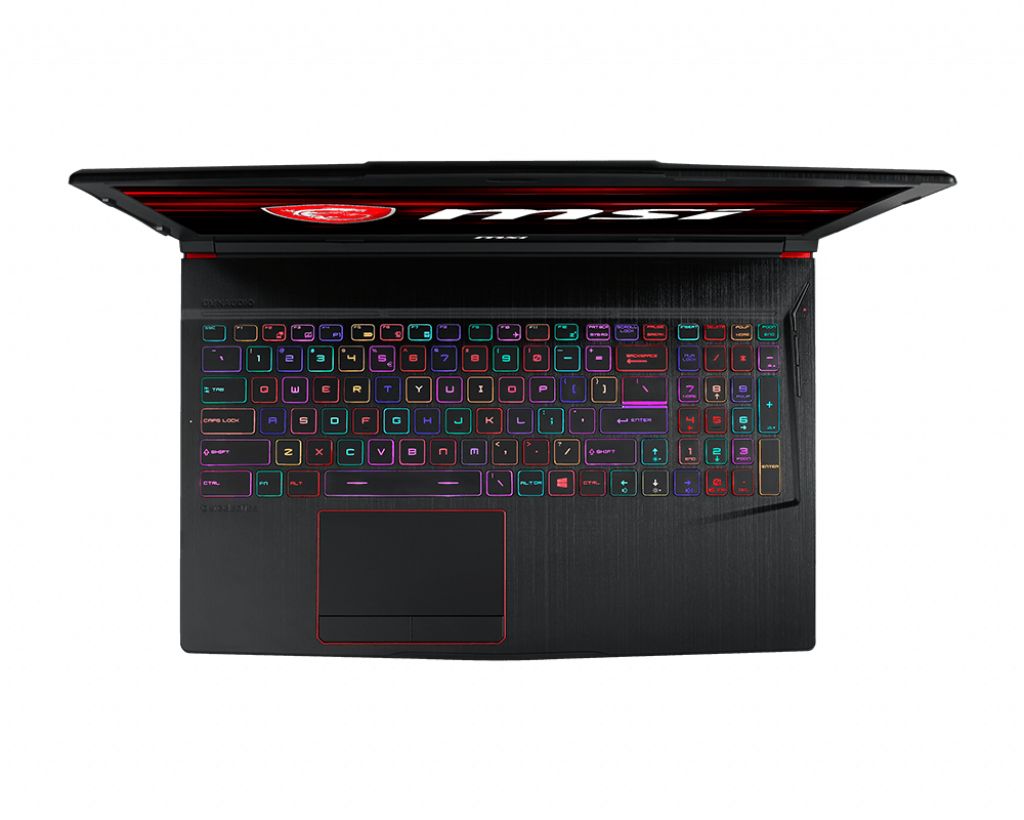
The MSI GE63 8SE-090UK Raider RGB gaming laptop features two SO-DIMM memory slots supporting DDR4-SDRAM modules at 2666 MHz frequency. The maximum RAM capacity for this GE series model is 32 GB total. Upgrade specifications indicate compatible memory modules must be DDR4 SO-DIMM format. The laptop's memory configuration allows for RAM expansion up to the maximum supported capacity of 32 GB across both available slots.
Memory Upgrade Specifications
| Specification | Value |
|---|---|
| Memory slots | 2x SO-DIMM |
| Form factor | SO-DIMM |
| Memory type | DDR4-SDRAM |
| Frequency | 2666 MHz |
| Maximum RAM | 32 GB |
| Voltage | 1.2V |
| Number of pins | 260-pin |
| Interface | PC4 |
| PC Speed Rating | PC4-2666 (PC4-21328) |
| Bandwidth | 21.3 GB/s |
| Laptop Release date | 08 January 2019 |
Additional Notes
- The 2666 MHz frequency represents the maximum officially supported speed, though higher frequency modules may downclock to this specification automatically.
- The 32 GB ceiling restricts intensive workloads like large-scale video editing or virtual machine deployment compared to desktop alternatives.
- SO-DIMM form factor prevents use of standard desktop DIMM modules, requiring laptop-specific memory purchases.
- The dual-slot configuration limits upgrade paths to either 2x16 GB for maximum capacity or 2x8 GB at lower cost, with no intermediate expansion option.
- DDR4-SDRAM compatibility excludes newer DDR5 modules and older DDR3 variants, narrowing procurement to DDR4-specific inventory.
- Mixing different capacity modules across slots remains technically possible but may sacrifice dual-channel bandwidth advantages.
- The memory controller's 2666 MHz specification may bottleneck GPU performance in high-refresh-rate gaming scenarios compared to faster memory systems.
- Non-ECC memory architecture provides no error correction, making the system unsuitable for mission-critical applications requiring data integrity validation.
- Accessing memory slots typically requires bottom panel removal, complicating field upgrades compared to systems with dedicated access doors.
- Vendor-agnostic memory compatibility allows third-party modules, though MSI-branded alternatives may offer validated compatibility at premium pricing.
- Single-rank versus dual-rank module selection can affect performance, with dual-rank configurations sometimes yielding marginal throughput improvements.
- The absence of RGB-synchronized memory slots means RGB RAM modules will not integrate with the laptop's existing lighting ecosystem.